Modi Breaks Silence on India's 'Cockroach' Protests — but Activists Want More Than Fast-Track Courts

Prime Minister Narendra Modi on July 23, 2026 made his first public remarks on India's youth-led "cockroach" protest movement, announcing he would set up fast-track courts to speed up the punishment of officials who leak examination papers. In a statement posted on X, Modi wrote: "Nothing is more important than the welfare and future of our youth … Those who try to harm the future of our youth will not be spared" (The Guardian).
Fast-track courts are specialized courts designed to handle specific cases more quickly than the regular judicial system, which in India is notorious for years-long backlogs.
The Cockroach Janta Party (CJP), the movement driving weeks of demonstrations across Delhi, quickly rejected the offer. Its counter-demand was the same one it has held since the movement began: Education Minister Dharmendra Pradhan must resign. Pradhan's departure, along with broader reform of India's examination system, has been a core demand throughout. CJP leaders have met with government ministers only once in over sixty days — a session with Health Minister J. P. Nadda that produced no results. CJP founder Abhijeet Dipke said the movement will not go to the government; ministers must come to the protest site and talk publicly. Government ministers say they are willing to talk but refuse to discuss Pradhan's resignation.
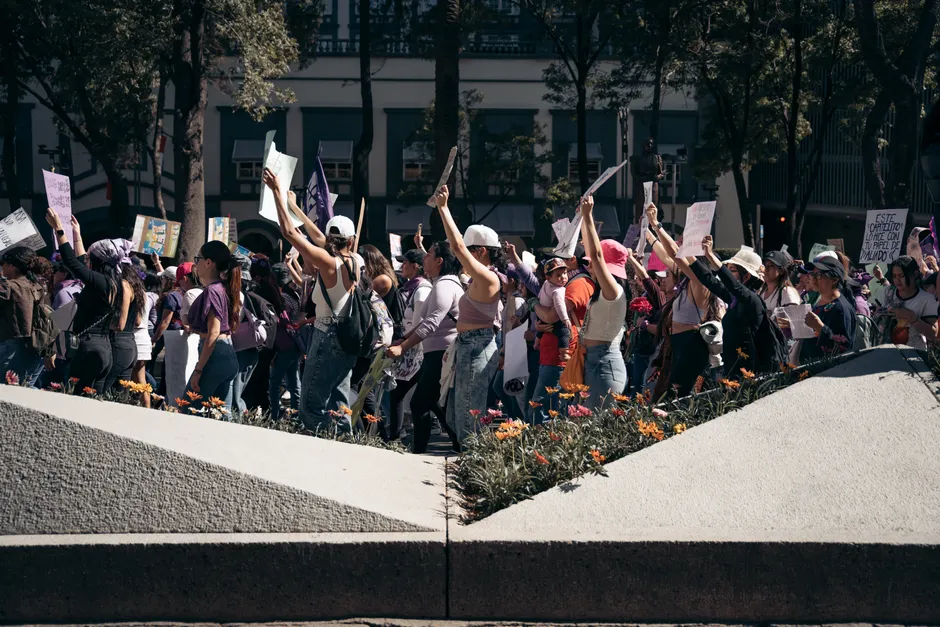
The movement's satirical name traces back to India's top judge, who called unemployed youths "cockroaches." That remark became a rallying symbol. On July 20, an estimated 50,000 protesters gathered in Delhi. Police denied permission to march on parliament and then used baton charges and teargas. By July 22, more than 1,000 protesters remained camped at Jantar Mantar in central Delhi.
Opposition leader Rahul Gandhi increased the political pressure by demanding Pradhan's resignation and an apology from Modi for failing to deliver a fair education system. Gandhi cited a figure that places the leak crisis in stark perspective: India has seen 152 exam paper leaks over the past decade without a single conviction.
The broader context here is a standoff with two incompatible bottom lines. The government has drawn a red line at Pradhan's removal, offering institutional mechanisms — fast-track courts, dialogue channels — as substitutes. The CJP has drawn its own red line at exactly that resignation, refusing to negotiate away the demand that gives the movement its political spine. Each side views the other's offer as a non-starter, and the gap between procedural reform (courts, consultations) and accountability (a ministerial resignation) is not one that middle-ground compromise easily bridges.
Modi's decision to break his silence now, rather than earlier in the movement's sixty-plus-day lifespan, invites a few observations worth weighing. The announcement comes after mass mobilization, police confrontation, and opposition leaders adopting the CJP's demands as their own. The fast-track court pledge addresses the supply side of exam-paper corruption — the officials who leak papers — but does not engage with the CJP's governance demands, which center on political responsibility rather than prosecutorial outcomes. For a movement that has already rejected a closed-door ministerial meeting as inadequate, a social-media statement promising future judicial infrastructure may read as insufficient on multiple fronts.
Gandhi's 152-leaks-with-zero-convictions statistic, if accurate, sharpens the challenge. It frames the fast-track court pledge against a decade-long enforcement vacuum and raises the question of whether new courts can deliver what existing ones have not. The CJP's insistence on public negotiation at the protest site, rather than closed-door meetings with ministers, signals a deliberate strategy to deny the government the ability to control the narrative through private channels.
Neither side has indicated willingness to move off its stated position. The CJP remains encamped at Jantar Mantar. The government maintains its willingness to talk, minus the resignation. Modi has spoken. The protest movement has answered.