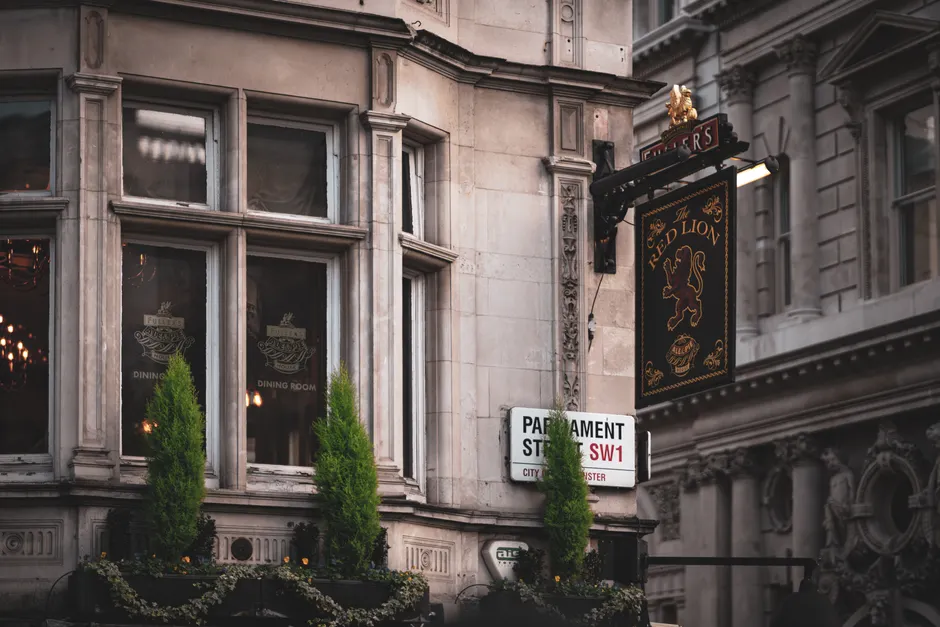
Burnham's First Move: A 20% Business Rates Cut for England's Pubs, Clubs, and Music Venues

Prime Minister Andy Burnham has announced a 20% cut to business rates for pubs, clubs, and live music venues in England, effective from April 2027 — the first major policy move of his premiership. The £100 million relief package is expected to benefit nearly 32,000 establishments, according to government figures (The Guardian).
The announcement came from Downing Street on July 23, 2026, just three days after Burnham took office on Monday, July 20. The speed of the move signals that the new administration wants to set an early marker on high-street and nighttime-economy support, an area where business rates have long been a source of frustration for operators facing rising overheads.
Business rates are a property-based tax on non-residential premises — think of them as a commercial equivalent of council tax, charged on shops, pubs, offices, and other business properties. They have been a persistent source of tension between operators and government, with critics arguing that the system hits high-street businesses harder than online retailers, who often operate from warehouses with lower rateable values.
The £100 million package will be funded partly by reviewing existing business rates reliefs for premises that the government says do not make a positive contribution to communities, with vape shops singled out as an example. This redistributive approach allows the Treasury to offer targeted relief without increasing the overall rates burden, though it will inevitably create winners and losers within the broader business rates landscape.
The government estimates that the typical pub will save approximately £1,100 in the next financial year as a result of the cut. The relief is also targeted: the very largest live music venues are excluded from the scheme, concentrating the benefit on smaller and mid-sized operators that face the sharpest pressure from fixed property costs.
The new 20% relief does not arrive in isolation. It builds on a 15% business rate relief for pubs and live music venues announced earlier in 2026 by Rachel Reeves. Layered together, the two measures substantially reduce the rates liability for eligible venues. Local authority guidance for administering the earlier relief was published on gov.uk in February 2026 (gov.uk), and under the 2026-27 arrangements, eligible pubs and live music venues have their bills frozen in real terms after the 15% relief is applied, according to Mansfield District Council (Mansfield District Council).
The official government press release was headlined "Burnham means business: PM slashes business rates bills for pubs, clubs and live music venues" (gov.uk). The announcement was corroborated by Reuters (Reuters) and The Mirror (The Mirror).
John Healey, named chancellor in the Burnham administration, indicated that the government would return to its commitment to overhaul the wider business rates system, including small business rates relief, at the budget. A full overhaul has been promised by successive governments but repeatedly deferred.
The broader context here matters. By targeting reliefs for vape shops and similar premises to fund the pub and venue cut, the government is making an explicit value judgment about which businesses deserve taxpayer-backed support. This is not a neutral technical adjustment; it reflects a policy preference for community-oriented establishments over those the government characterizes as offering less communal benefit. Operators in the categories facing relief reviews will likely scrutinize the criteria closely, and the definitions of "positive contribution" and community value will be where the political and legal contestation concentrates.
For the affected venues, the cumulative impact of the 15% and 20% reliefs is meaningful. A typical pub saving £1,100 annually on rates, on top of the existing relief, represents a concrete reduction in fixed costs at a time when energy, staffing, and supply-chain expenses have been compressing margins across the hospitality sector. The exclusion of the largest live music venues narrows the scope but aligns with the government's stated targeting logic: directing support to operators that lack the scale to absorb rising costs independently.
The timeline also matters. The 20% cut takes effect from April 2027, meaning there is a substantial lead time before operators see the benefit in their bills. In the interim, the existing 15% relief and the real-terms freeze for 2026-27 remain the operative support mechanisms. Healey's promise of wider reform at the budget adds another variable: if the broader business rates system is overhauled before or alongside the new relief's implementation, the interaction between the two could reshape the final picture for individual operators.