Trump Approves Civilian Nuclear Cooperation Agreement with Saudi Arabia
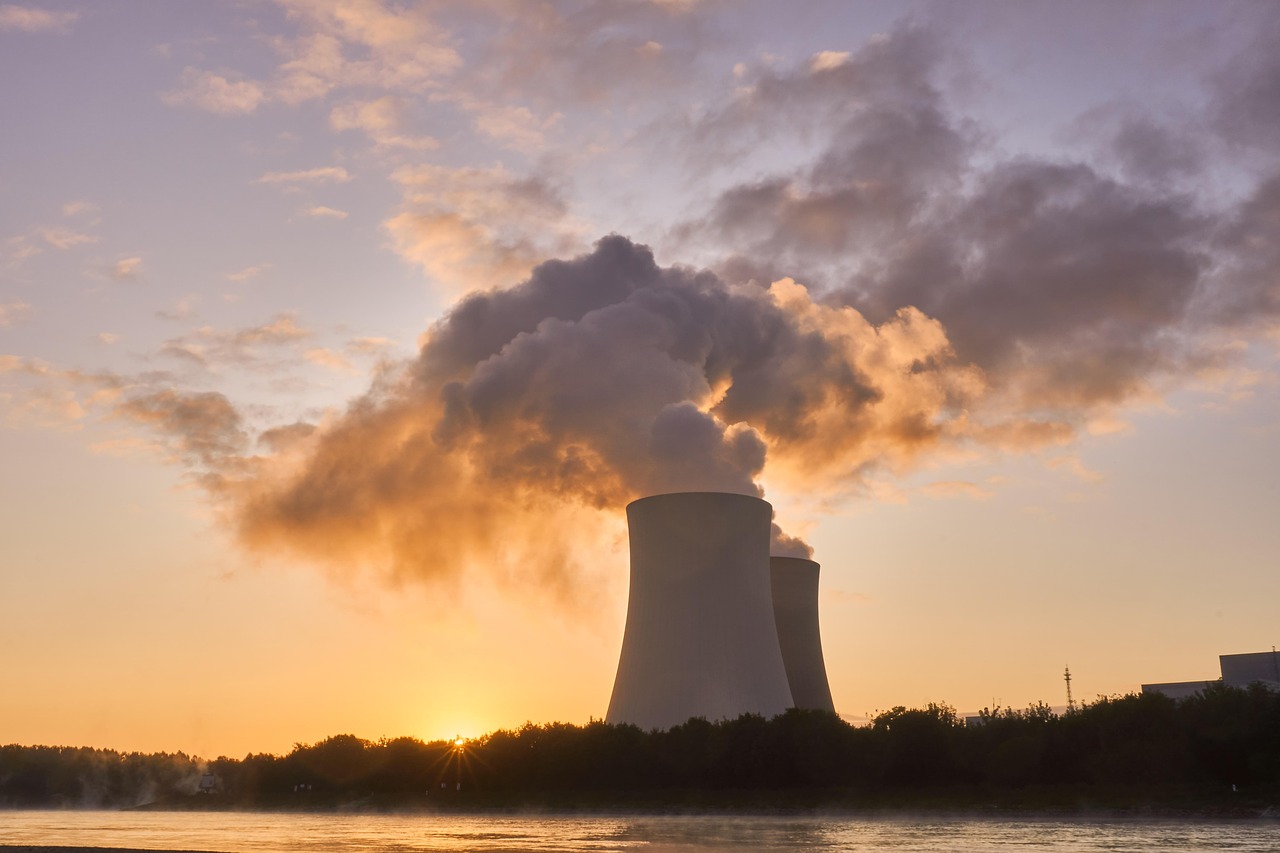
President Donald Trump has approved a 30-year civilian nuclear cooperation agreement with Saudi Arabia, formalized under a mechanism known as a Section 123 agreement, which is the standard US framework for civil nuclear partnership under the Atomic Energy Act. The pact, confirmed by US officials on July 22–23, 2026, opens Saudi Arabia's developing civil nuclear energy program to American companies. US Energy Secretary Chris Wright and Saudi Energy Minister counterparts announced the deal. The administration did not immediately release further details, and Trump himself did not preside over a signing ceremony. Instead, he attended the dignified transfer ceremony for four US service members killed in Iran, before holding a rally in Georgia where he argued that his policies were making the Middle East more stable than ever.
The agreement's most contentious element is its treatment of enrichment, the process of concentrating uranium to fuel nuclear reactors. According to the Wall Street Journal, the deal could allow uranium enrichment inside Saudi Arabia. Reuters separately reported that the administration backs a pact permitting Saudi Arabia to process spent atomic fuel as well as enrich uranium. Both capabilities are sensitive because enrichment and reprocessing, the recycling of used reactor fuel, are the two processes most closely associated with building nuclear weapons. Energy Secretary Wright stated the pact would "uphold the highest standards of nuclear safety and nonproliferation" and argued it would boost the American economy and strengthen national security. BBC
The deal has caused alarm in Israel. The New York Times reported on July 22 that the agreement appears to sidestep Israel entirely, rather than conditioning Saudi nuclear cooperation on Israeli normalization, the diplomatic term for establishing formal relations between countries that previously had none. The Times of Israel confirmed that the US signed the nuclear cooperation pact, noting Israeli alarm at the development. The decoupling of nuclear cooperation from normalization is not sudden: as early as May 2025, Reuters reported that the Trump administration was no longer demanding Saudi Arabia normalize ties with Israel as a prerequisite for progress on civil nuclear talks, citing sources. By that point, Saudi-Israel normalization had already stalled due to the Gaza conflict, and Trump's visit to Riyadh had focused on investments, arms deals, and AI collaborations rather than Israeli normalization.
Israeli political figures have been blunt. Avigdor Lieberman, a Knesset member and former defense minister, said a civilian nuclear program in Saudi Arabia would lead to a "mad arms race across the entire Middle East." BBC
In Washington, the deal is drawing congressional fire. Democratic Representative Ro Khanna of California called it a "giveaway to the Saudis" and told the BBC it would "fuel further ambitions from Iran" and "further destabilise the region with Israel." BBC Khanna's framing links the Saudi pact to Iranian behavior, a connection that administration officials would dispute.
The trajectory to this agreement spans two administrations. In May 2024, Reuters reported that the Biden administration and Saudi Arabia were finalizing an agreement encompassing US security guarantees and civilian nuclear assistance. By May 2025, the Trump administration was expressing being "very excited" at the prospect of Saudi Arabia developing its own civil nuclear program with US help, according to the Associated Press. In November 2025, Saudi Crown Prince Mohammed bin Salman visited the US with defence, AI, and nuclear issues on the agenda, per Reuters. The Energy Department's National Nuclear Security Administration has been involved throughout, and the DOE has referenced the Part 810 process, which controls the export of unclassified nuclear technology and assistance, in the Saudi context. The US and Saudi Arabia had previously outlined cooperation on civil nuclear energy including safety, security, and nonproliferation programs as far back as May 2025.
The broader context here is a fundamental reshaping of the diplomatic bargain that once anchored US-Saudi-Israeli strategy. Under the Biden administration's framework, Saudi nuclear cooperation was intertwined with normalization with Israel and a mutual defense treaty. The Trump administration has severed that linkage, delivering nuclear cooperation to Riyadh without requiring Saudi recognition of Israel and without an explicit Israeli stake in the agreement's terms. This is a deliberate structural choice, not an oversight. It reflects a prioritization of bilateral US-Saudi commercial and strategic ties over the trilateral architecture that previous negotiators pursued.
For proliferation specialists, the enrichment provisions are the operative concern. A Section 123 agreement is the standard US framework for civil nuclear cooperation, but the gold standard for nonproliferation is the omission of enrichment and reprocessing rights, as in the US-UAE agreement, often called the "gold standard" because it barred enrichment outright. Including enrichment capability, even with monitoring, places this pact in a more permissive category than the UAE precedent and aligns it more closely with what Saudi Arabia has long sought: an indigenous fuel cycle, meaning the ability to produce its own reactor fuel from start to finish. Whether the NNSA's involvement and stated nonproliferation commitments can adequately de-risk dual-use infrastructure, facilities that can serve both civilian and military purposes, is the question Congress will now press.
The deal also lands at a moment of elevated regional tension. Trump's attendance at the dignified transfer for service members killed in Iran reflects an active conflict posture with Tehran even as the administration advances a pact that critics argue will provoke Iranian countermeasures. The administration's argument that the deal enhances stability and the critics' argument that it accelerates an arms dynamic are not merely competing narratives; they reflect genuinely different assessments of how proliferation incentives operate in the Gulf. The absence of Israeli normalization as a condition means the deal cannot be defended as part of a broader regional integration framework, which was the political logic that made earlier iterations of US-Saudi nuclear discussions palatable to skeptics.