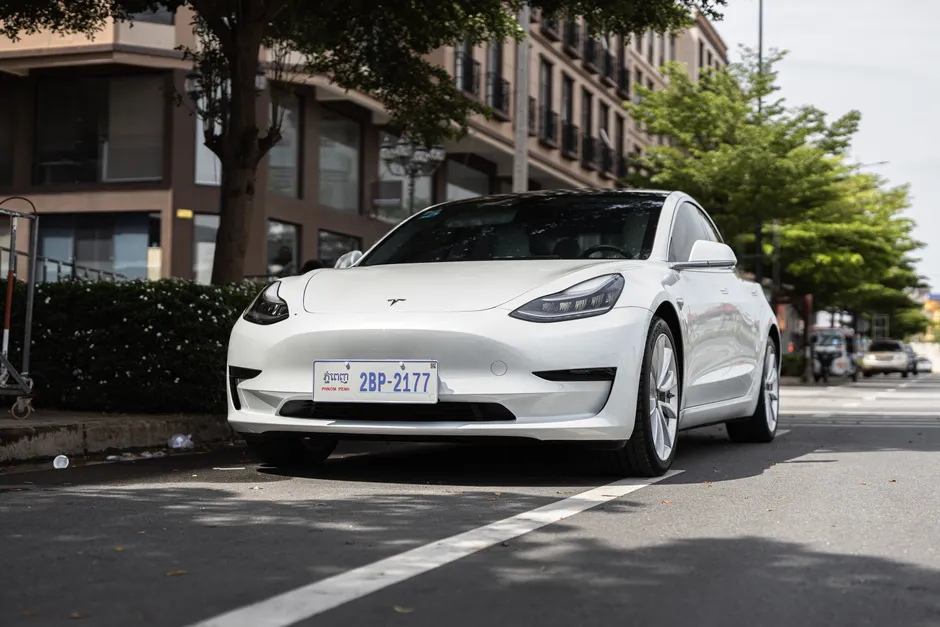
NHTSA Questions Tesla Over Self-Driving Taxi Plans in Austin

NHTSA Questions Tesla Over Self-Driving Taxi Plans in Austin
Federal regulators have asked Tesla for detailed information about its autonomous vehicle technology before the company launches a paid self-driving taxi service in Austin, Texas, scheduled for June 2025. The NHTSA document shows that the National Highway Traffic Safety Administration wants to understand how Tesla's system works and what the company plans to do with it as it prepares to put Model Y vehicles on public roads.
If Tesla moves forward as planned, this will be the company's first attempt to operate fully self-driving cars that carry paying passengers. The company has also suggested it may expand to other cities later the same year.
The Safety Questions Regulators Are Asking
NHTSA is particularly focused on one challenge: how well Tesla's self-driving system handles bad visibility—fog, heavy rain, snow, and darkness. This is a crucial test, because it's often the difference between an experimental system and one ready for the real world.
This focus makes sense historically. When federal and state agencies evaluate whether an autonomous vehicle is safe enough to deploy, they typically zero in on edge cases and difficult conditions rather than on normal driving. A system might perform perfectly on a sunny highway but fail when conditions get tricky.
Tesla's approach to self-driving relies mainly on cameras, with radar and ultrasonic sensors for backup. This is different from Waymo, a competitor already running commercial robotaxi services in several cities, which uses lidar—a type of laser scanner that works especially well in poor visibility. The technology community is still debating which approach works better in challenging weather.
Who Is Already in the Market
Waymo is already operating paid self-driving taxi services in Phoenix, San Francisco, Los Angeles, and Austin. The company claims its vehicles are safer than human drivers. If Tesla launches in Austin, it will be competing directly with Waymo in the same city.
But success in autonomous taxis requires more than just good technology. Running a robotaxi fleet means managing vehicles, handling customer support, obtaining insurance, and coordinating with local governments in different places. Automakers have never had to do this before.
We have seen this pattern play out in earlier technology shifts. When Uber and Lyft first scaled up, they discovered that having great software is not enough for a transportation business. Managing fleets of physical vehicles, dealing with local regulators, and keeping service reliable and consistent turned out to be harder than building the core app. Tesla will face the same challenge, regardless of how good its self-driving technology is.
Tesla's vertical integration—the fact that it makes its own cars and runs its own factories—should help with maintenance and manufacturing. But the company will still need to build the operational systems that make a mobility service work at scale. The June 2025 launch date suggests Tesla believes it is close to having those pieces in place.
Why Visibility Conditions Matter
The NHTSA's emphasis on bad-weather performance reflects lessons learned from past accidents. Several high-profile crashes involving Tesla's Autopilot and other semi-autonomous systems have occurred when sensors struggled in unexpected environmental conditions.
Even the most advanced machine learning systems still struggle with scenarios where a human driver would naturally slow down or adjust tactics—construction zones with makeshift signs, emergency vehicles flashing unusual light patterns, or heavy rain that degrades camera performance. Current camera-based systems, despite remarkable improvements over the last decade, can hit a wall in these situations.
Tesla's approach relies on neural networks—computational systems trained on vast amounts of driving data—to handle unexpected scenarios. This method has proven effective in many cases, but the company needs to show consistent performance across all the different weather and traffic conditions that actually occur in Austin.
What This Means for the Broader Picture
The way this plays out could influence how the entire autonomous vehicle industry develops. If Tesla succeeds in Austin with a camera-centric approach, other companies might follow that path. If operational problems or safety incidents occur, the industry might stick with more conservative designs that use more sensors.
The regulatory side matters too. NHTSA's decision to scrutinize Tesla's plans months before launch, rather than waiting for incidents to happen afterward, shows the agency is evolving. In the earlier days of advanced driver assistance systems, regulators mostly relied on manufacturers to police themselves. Now NHTSA is being more hands-on.
The precedent set by Tesla's approval process will likely affect how future autonomous taxi approvals work. A smooth process could speed up subsequent companies' timelines; a tough review could make the path harder for others. It will also test whether the NHTSA has the expertise and speed to evaluate autonomous systems without either rubber-stamping approvals or creating unnecessary delays.
Tesla has a history of pushing aggressive timelines, so the June 2025 target is ambitious. Whether the company can satisfy federal regulators while meeting that deadline will show us a lot about both Tesla's readiness and the federal government's capacity to oversee this new class of vehicles.