How a Single Power Cut at a Water Plant Brought Gatwick Airport to a Standstill
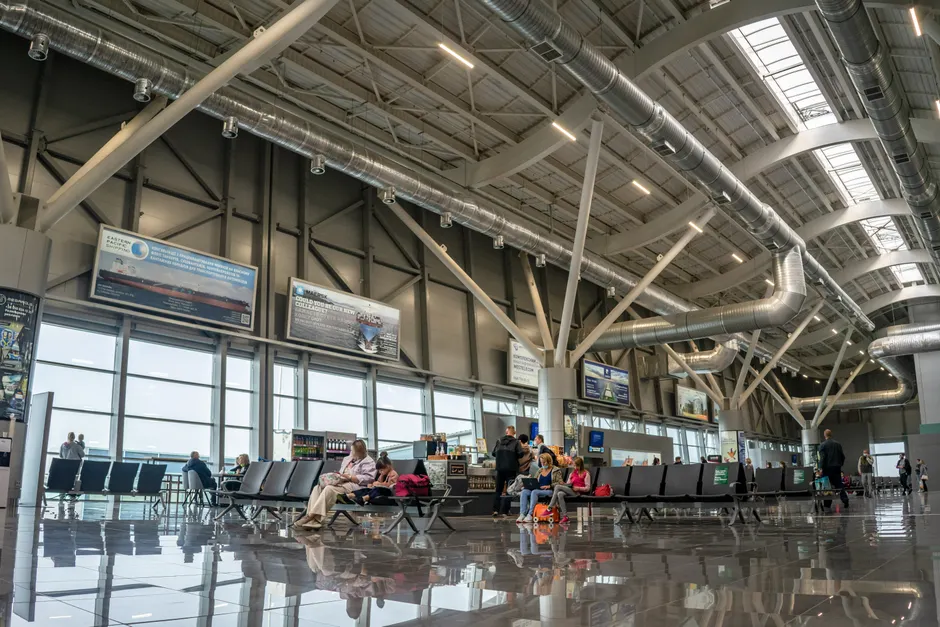
A power outage at a water treatment plant in southeast England cut water supplies across Gatwick Airport and the wider Sussex and Kent region on Sunday, 26 July 2026, leaving passengers without functioning toilets, bars, restaurants, or handwashing facilities across both terminals.
Gatwick Airport confirmed that a water issue originating in the Horley area was disrupting supply to both the North and South terminals. Passengers could not get hot drinks, use water fountains, wash their hands, or fill water bottles. Bars and restaurants shut down, and toilets stopped working. Flights, however, were not affected (The Guardian).
The root cause was a power outage at SES Water's Bough Beech water treatment works, which supplies parts of the southeast. SES Water reported supply interruptions across the TN11, RH1, RH6, and RH10 postcode areas, spanning parts of Surrey and Kent (The Guardian; AP News). The treatment works resumed operation by 2pm on Sunday, though the water still required treatment before normal supply could return to all affected areas (The Guardian).
The impact inside the airport was immediate and severe. TalkTV presenter Julia Hartley-Brewer posted on X that there was no running water across the entire airport, meaning no coffees, no water fountains, no flushing toilets, and no hand washing (The Guardian). Former MP Michael Dugher complained on social media that Gatwick was depriving people of somewhere to sit by closing all restaurants and bars, forcing families to sit on the floor (The Guardian).
Roger Wood, a passenger from Tunbridge Wells, Kent, arrived at Gatwick's South Terminal at approximately 11am on Sunday and reported that the Wetherspoons outlet was empty and unable to serve customers because staff could not wash their hands (The Guardian). Passengers also faced long queues for the limited toilet facilities still working and reported widespread confusion during the outage (BBC News; BBC News).
Bottled water was distributed to passengers and staff across the airport as a stopgap measure while supply was being restored (The Guardian).
The broader context here is one of infrastructure vulnerability. Gatwick, the UK's second-busiest airport, depends entirely on off-site municipal water infrastructure for its drinking water supply. When a single water treatment plant loses power, the knock-on effects on a major transport hub are immediate: food and beverage operations shut down because food safety rules require handwashing facilities; toilets become public health hazards; and the passenger experience deteriorates rapidly with no on-site backup to compensate.
The fact that flight operations continued without interruption is notable. It suggests that the water failure did not extend to systems critical to air traffic management, fuel infrastructure, or runway operations. Still, the airport's inability to maintain basic sanitation and hospitality services for an extended period raises questions about contingency planning for utility failures at major transport nodes. Bottled water distribution, while a reasonable interim measure, cannot substitute for functioning sanitation infrastructure in a facility handling tens of thousands of passengers daily.
The wider regional impact, affecting residential postcodes across Sussex and Kent, places this event in a broader infrastructure setting. Power interruptions at water treatment facilities are not uncommon, particularly during periods of high demand or adverse weather, but the visibility of this failure, amplified by its effect on a major international airport, makes it a clear case of single-point-of-failure risk. That means one vulnerable component can bring down an entire system, like a single fuse blowing and cutting power to a whole building. The Bough Beech plant's return to operation by mid-afternoon indicates a relatively short incident window, but the lag between resumption of treatment and full restoration of supply is a reminder that water systems operate with inherent delays as treated water moves through distribution networks.
For airport operators, water utilities, and regulators, the episode is likely to prompt scrutiny of the interdependencies between power supply, water treatment, and the operation of critical transport infrastructure, as well as the adequacy of current contingency arrangements for extended utility outages.


