Sony's New 1000X ColleXion Edition: What Makes a $649 Set of Headphones Premium?

Sony's New 1000X ColleXion Edition: What Makes a $649 Set of Headphones Premium?
Sony has announced the 1000X 'The ColleXion' Edition headphones, priced at $649 in the US and launching on May 19, 2026. This release marks a departure from Sony's familiar naming scheme—the WH-1000XM6—and positions itself as a luxury option above Sony's current flagship noise-canceling headphones.
The ColleXion Edition costs $200 more than the WH-1000XM6 when that model launched. In Europe, it will sell for €629, or £549 in the UK.
Physical Design and Build Quality
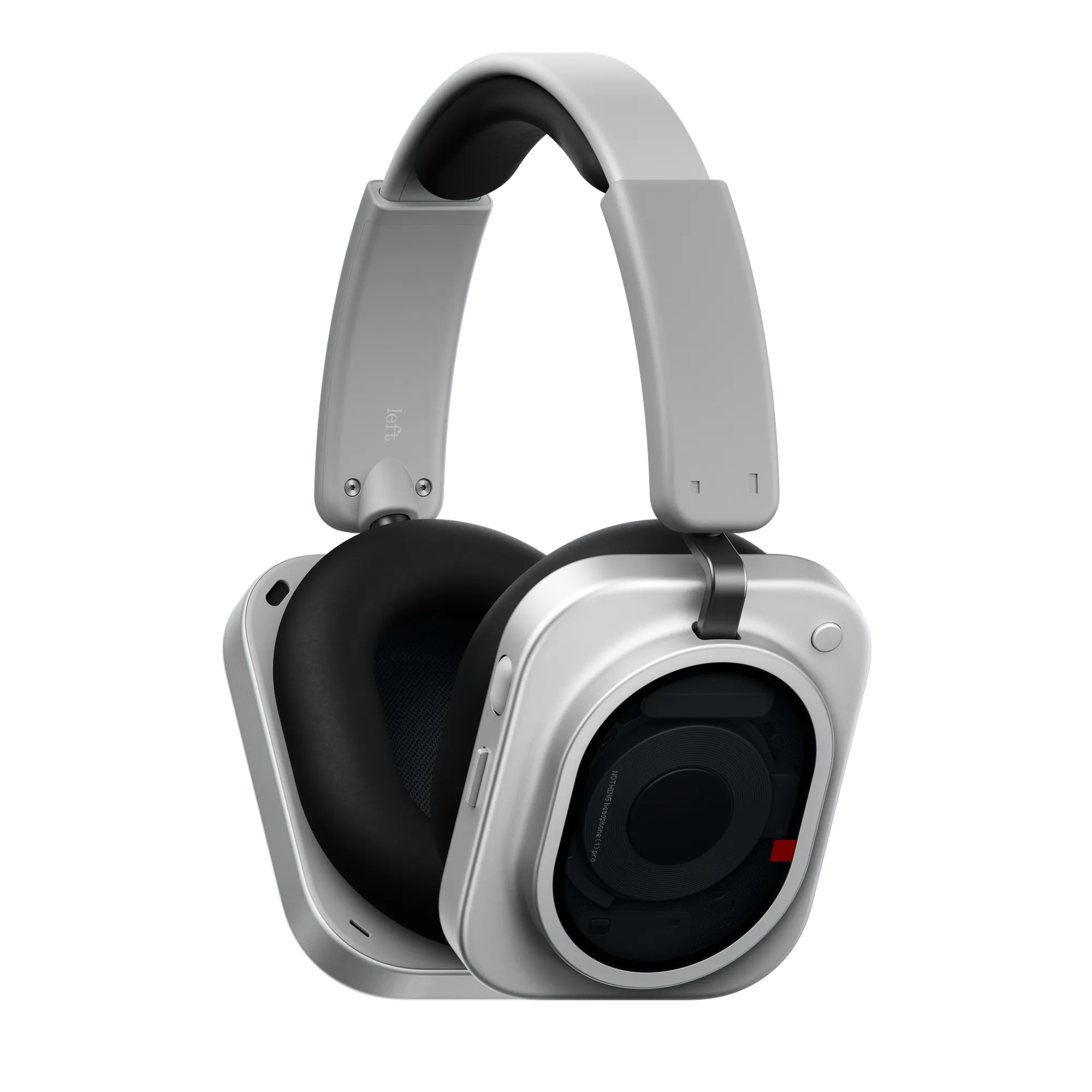
The headphones feature thicker, softer padding on the ear cups and a larger overall design than the WH-1000XM6. The most striking change is the carrying case: instead of the typical hard plastic shell, Sony has designed a soft case that looks and feels more like a luxury handbag, complete with a handle and magnetic closure.
This shift in industrial design suggests Sony is courting buyers who care as much about how headphones look and feel in their hands as how they sound. This is common in fashion-forward luxury electronics—brands know that premium consumers want products that signal status and taste, not just performance.
Audio Engineering Partnerships
Sony partnered with three Grammy-winning recording studios—Battery Studios, Coast Mastering, and Sterling Sound—to tune the drivers, or speakers, inside these headphones. This is an unusual move for consumer headphones. Typically, recording studios are brought in only for professional equipment.
The broader context here is worth examining. Traditional 1000X headphones have been tuned to sound good to as many ears as possible, with a focus on noise cancellation rather than pure studio accuracy. By partnering with mastering facilities, Sony is signaling that the ColleXion Edition might pursue a different sonic profile—one closer to what professional engineers prefer. However, the full technical details of how the tuning differs remain unclear from Sony's public statements.
Technical Specifications and Core Technology
The ColleXion Edition uses the same core technology as the current 1000X series: six microphones per ear for noise cancellation, powerful processors to handle audio in real time, and support for Sony's 360 Reality Audio spatial audio format. Nothing here is fundamentally new.
In this author's view, that tells us something important: Sony believes the current WH-1000XM6 hardware is mature enough that adding better materials and more careful tuning—rather than new processors or microphones—is the right move. The company is betting that what buyers want now is refinement, not revolution.
Why the Naming Changed
For years, Sony's naming system was straightforward: WH meant over-ear headphones, WF meant earbuds. The WH-1000XM6 followed this pattern clearly. The new "ColleXion" name breaks that system, marking the first major shift in the lineup's naming scheme since it began.
Interestingly, Sony's website briefly displayed the model number WH-1000XX in April 2026 before switching to the ColleXion branding. That "XX" might have been a placeholder or an internal version marker that Sony ultimately decided to replace with a more distinctive name.
This pattern of launching a premium variant on top of an existing product line is not new. Apple did it with the AirPods Max, priced well above standard AirPods. Sennheiser did it with the HD 800 S, a luxury version of the already-premium HD 800. What these moves typically signal is that a market is maturing: manufacturers have already captured value with the core product, and now they're looking to push into higher price brackets by emphasizing lifestyle and craftsmanship over raw technical leaps.
What's Missing: The Charging Cable
Sony has left the charging cable out of the box for the ColleXion Edition, citing environmental concerns—reducing electronic waste. The company's logic is straightforward: buyers at this price point almost certainly own other premium devices, so they likely already have a USB-C cable somewhere nearby.
There is also a simpler reading: omitting the cable cuts costs. Sony frames this as environmental responsibility, and the environmental argument is not without merit. Still, it is worth noting that cost reduction and environmental messaging often align, and both can be true at once.
Where This Fits in the Broader Market
The ColleXion Edition's price and positioning put it in competition not just with other consumer noise-canceling headphones, but with semi-professional and professional gear. That is a meaningful shift. Brands like Audio-Technica and Beyerdynamic have long sold studio monitor headphones to professionals and serious enthusiasts; Sony is now stepping into that territory.
Over the past decade, the line between professional audio tools and consumer electronics has blurred considerably. Remote workers, podcasters, and content creators increasingly need good audio for their work, so they shop in the professional space even though they are not professional audio engineers. Sony is betting it can win some of these buyers by lending credibility through studio partnerships and emphasizing sound quality alongside lifestyle appeal.
The May 19 announcement came just one day after specification leaks began circulating online. Sony may have chosen to accelerate the official reveal after the leak, or the timing may have been planned all along. Either way, the quick pivot suggests confidence in how the market will receive the product.
The Bigger Picture
Sony's decision to push the 1000X line upmarket rather than invest heavily in new underlying technology tells us something about how the company views wireless audio headphones right now: they see the category as mature. Noise cancellation works well. Wireless connectivity is reliable. Battery life is good. The gains available from redesigning the core technology are now smaller than the gains available from premium positioning, better materials, and careful tuning. In that environment, marketing and craft become the real differentiators.
Whether that bet pays off will depend on whether enough buyers at this price point care more about the handbag-style case and studio credentials than they care about raw acoustic or technical innovation. Given Sony's track record, the company clearly believes they do.