UPS Q2 2026 Earnings: What the Post-Restructuring Numbers Should Tell Us
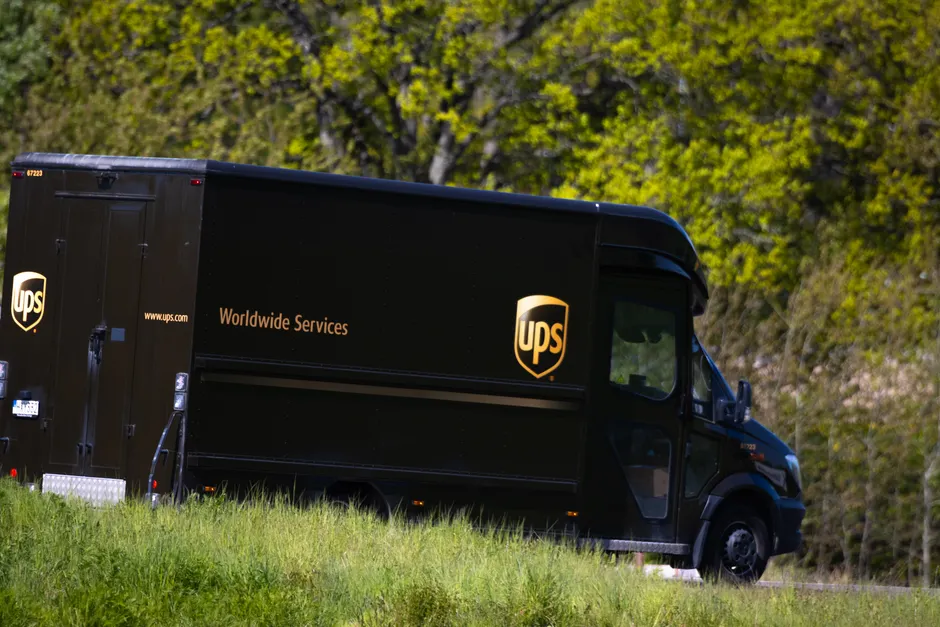
UPS released its second-quarter 2026 earnings on July 28, 2026, with the conference call set for 8:30 a.m. ET. The quarter closed June 30, and the results cover the first reporting period in which the company's transformation and workforce reduction programs are described as recently completed rather than ongoing. (UPS Investor Relations)
The Q2 results include after-tax charges tied to transformation and workforce reduction initiatives. In Q1 2026, the comparable charge was $42 million after tax. (UPS Q1 2026 Earnings Release) Describing these programs as recently completed in Q2 suggests the charge profile should taper in subsequent quarters, though the exact Q2 charge figure will be detailed in the earnings release.
The broader restructuring spans three initiatives: Transformation 2.0, completed in 2025; Fit to Serve, under which roughly 14,000 positions were eliminated; and Network Reconfiguration and Efficiency. (UPS 4Q 2025 Earnings) The Q1 2026 earnings deck called the first quarter a "critical transition period" for the company, with multiple workstreams converging simultaneously. (UPS Q1 2026 Earnings Webcast Deck)
Two of those workstreams involve volume reallocation — moving certain delivery volumes from one part of the network to another to cut costs. UPS stated in its Q1 announcement that it had completed the transition to shift a portion of Ground Saver packages to USPS for last-mile delivery. The company's 2025 10-K (an annual SEC filing), filed February 17, 2026, disclosed an agreement expected to allow more cost-efficient service of Ground Saver and Mail Innovations volumes starting in 2026, a detail echoed in the 2026 Proxy Statement. (UPS 2025 10-K; UPS 2026 Proxy Statement) At a March 4, 2026 presentation at the 47th Annual Institutional Investors Conference, UPS outlined plans to continue Amazon ADV reduction alongside the Ground Saver-to-USPS transition. (UPS Institutional Investors Conference Presentation)
The Amazon glide-down plan refers to UPS's deliberate reduction of volume from its largest customer. In Q1, the company described it as being in its "final months of execution." (UPS Q1 2026 Takeaways) Q2 results should offer the first read on whether that glide-down has concluded and what the revenue and margin impact looks like on the other side.
In its Q1 2026 earnings release, UPS guided to adjusted operating margin expansion in Q2. (UPS Q1 2026 Earnings Release) Adjusted operating margin strips out one-time charges like restructuring costs to show the profitability of the core business. That forecast was issued against the backdrop of a quarter explicitly framed as transitional, with restructuring charges, volume migration, and customer concentration reduction all running concurrently.
The scale of the enterprise provides context for the materiality of these moves. UPS reported 2025 revenue of $88.7 billion, employs approximately 460,000 people, and delivers to more than 200 countries and territories. (UPS Investor Relations)
The key questions for the Q2 call center on execution against that Q1 guidance. Did the Ground Saver-to-USPS handoff deliver the cost efficiencies the 10-K anticipated? Has the Amazon volume reduction reached its target floor? And with transformation initiatives described as recently completed, what does the run-rate margin profile look like once the restructuring charges roll off? Run-rate refers to what earnings would look like if current conditions held steady without one-time costs.
The gap between GAAP and adjusted figures should narrow if those charges are truly winding down. GAAP, or Generally Accepted Accounting Principles, includes all costs — one-time and recurring — while adjusted figures exclude them. That narrowing, more than any single headline number, will signal whether the restructuring is delivering the operating leverage UPS has been building toward.
One additional item worth watching: UPS announced a quarterly dividend on May 6, 2026. (UPS Press Releases) Capital allocation commentary on the call — how the company plans to deploy cash — particularly regarding share repurchases or debt reduction now that the heaviest restructuring costs may be behind the company, will be relevant for anyone modeling free cash flow deployment.
The earnings materials released today include the earnings release in PDF and HTML formats, the earnings webcast, financial statements in XLSX, and historical financial data. (UPS Financial Results)
The broader context here is that UPS has spent the better part of two years remaking itself — cutting jobs, shifting delivery volumes to cheaper partners, and deliberately walking away from some of its largest customer's business. Q2 is the first chance to see what the company looks like on the other side of all that. If the restructuring charges fade and margins expand as guided, the narrative shifts from "transitional pain" to "delivered results." If charges persist or margins disappoint, the story stays unfinished.