Herman Miller Steps Into Gaming Furniture with Two New Desk Lines

Herman Miller Steps Into Gaming Furniture with Two New Desk Lines
Herman Miller, the furniture company behind the iconic Aeron office chair, has launched two gaming desks: the Coyl Gaming Desk and the Motia Gaming Sit-to-Stand Desk. Both are currently on sale at 25% off.
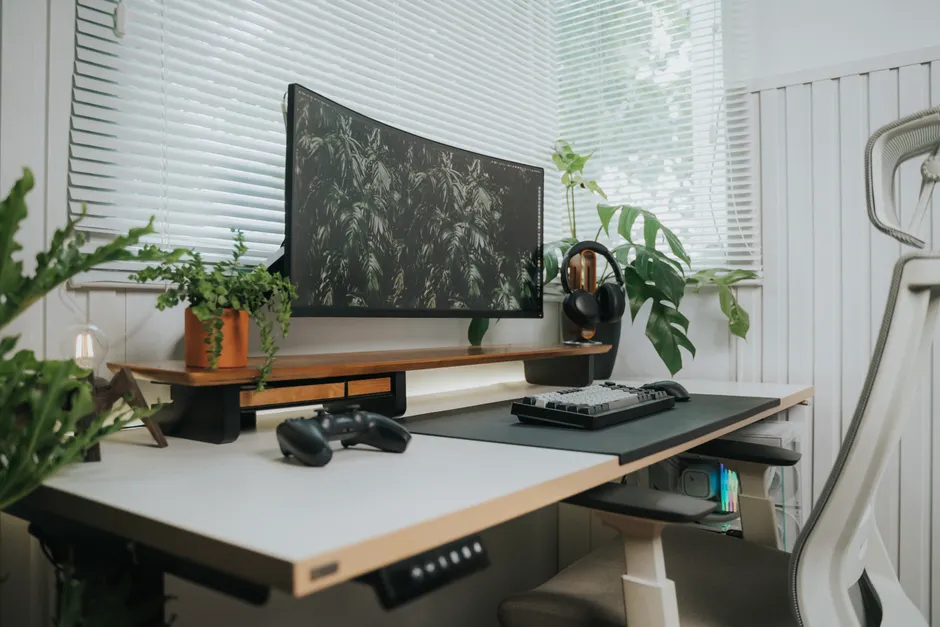
The Coyl is Herman Miller Gaming's first desk, built with rounded edges and soft materials to blend ergonomics with a gaming-focused design. The Motia offers electric height adjustment—you can move between sitting and standing positions—which Herman Miller is positioning as a premium performance feature for gaming setups.
A Familiar Strategy from an Office Furniture Giant
This move follows a pattern we have seen before. Herman Miller spent decades perfecting ergonomic office furniture and selling it to corporations. Now the company is adapting that expertise for a consumer market: gaming enthusiasts who want purpose-built workstations with cable management, RGB compatibility, and furniture that actually won't fall apart after a year.
Herman Miller already has gaming chairs through a partnership with Logitech G. The new desks extend that strategy into a larger piece of the gaming setup ecosystem. The company is essentially doing what it did during the early home-office boom in the 2000s, when its commercial Aeron chair found a second life in home offices as remote work began to take off. The principle is the same: take what works in enterprise, adapt it for a consumer audience, and let your reputation for quality do the talking.
Competition and Positioning
The gaming desk market is already crowded. IKEA's FREDDE series costs significantly less, and brands like Uplift Desk have gaming-specific versions of their adjustable desks. Herman Miller is entering with higher prices but presumably higher build quality and better design finishes.
The Coyl's emphasis on rounded edges and soft-touch materials reflects Herman Miller's design philosophy—removing sharp angles, thinking about how materials feel under your hands, reducing fatigue during long sessions. The Motia's sit-to-stand feature addresses a real issue: people who game, create content, or work at the same desk need different heights for different tasks. Height-adjustable desks have been standard in premium office furniture for years; adding that capability to gaming furniture is a natural step.
Both desks appear designed to work together with Herman Miller's gaming chairs, building what the company calls a complete workstation ecosystem. This mirrors how Herman Miller sells office furniture—as compatible systems rather than individual pieces.
What the Pricing Tells Us
Herman Miller hasn't released detailed specifications yet, but the 25% launch discount signals something: the company is trying to build market awareness quickly among gaming enthusiasts who might not think of Herman Miller as "for gamers." Premium brands often use aggressive introductory pricing to gather feedback and establish a foothold in a new category.
The higher price points compared to mass-market alternatives rely on Herman Miller's reputation for materials, engineering, and durability. Whether gaming audiences will pay that premium remains an open question.
Why This Matters Beyond Herman Miller
Herman Miller's entry validates that gaming furniture is now a real market segment—large enough that a 100-year-old office furniture company thinks it's worth building dedicated products for, not just repurposing existing designs.
This also reflects shifts in how people use their desks. Hybrid work models mean home offices matter more to corporate workers and gamers alike. For Herman Miller, selling to consumers reduces dependence on corporate furniture cycles, which can be unpredictable. Gaming and remote work are steadier markets.
Other premium office furniture makers—Steelcase, Knoll—will be watching to see whether Herman Miller's gaming desks gain traction. If they do, we'll likely see similar moves from competitors. If they don't, the gaming furniture market may remain dominated by specialists and mass-market brands.
The real test will be whether enthusiasts actually choose Herman Miller desks over cheaper alternatives, and whether they stay durable enough to justify the price over three to five years of heavy use. On both counts, Herman Miller has a reputation to lean on—but the gaming furniture category is still new enough that a premium brand's actual performance in this space remains unproven.