Lindsey Graham Honored at Capitol Memorial as Political and Diplomatic Currents Converge
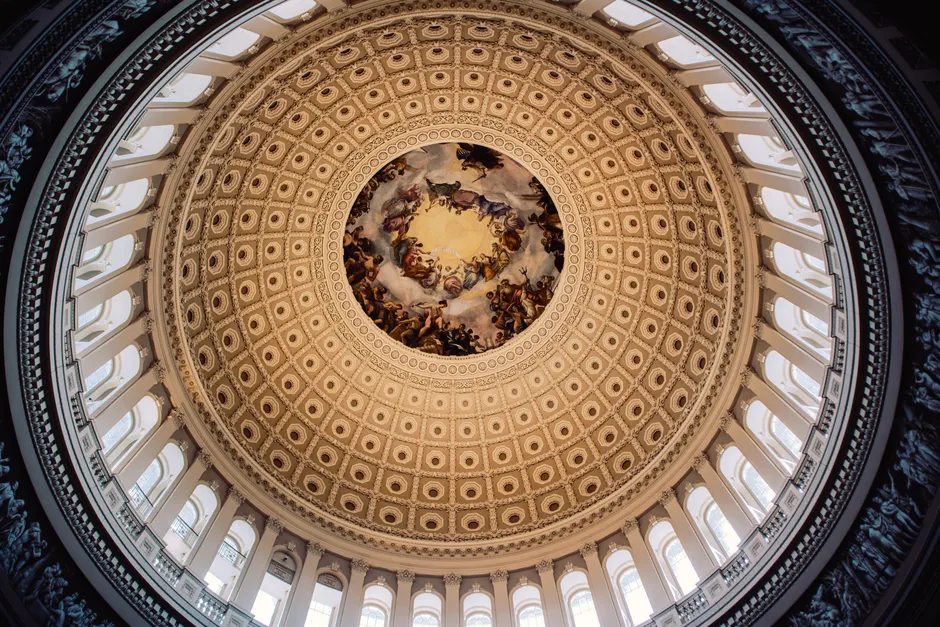
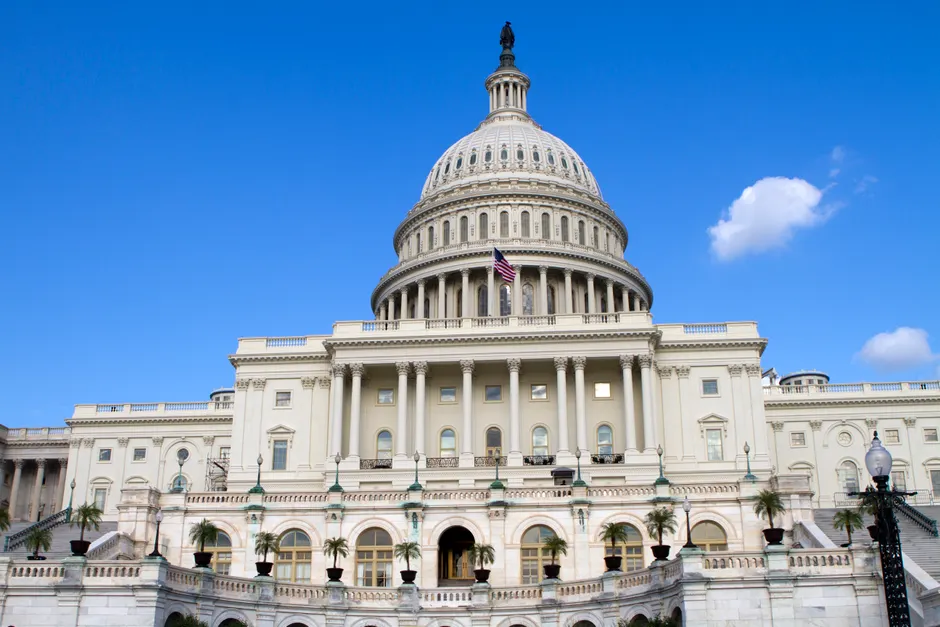
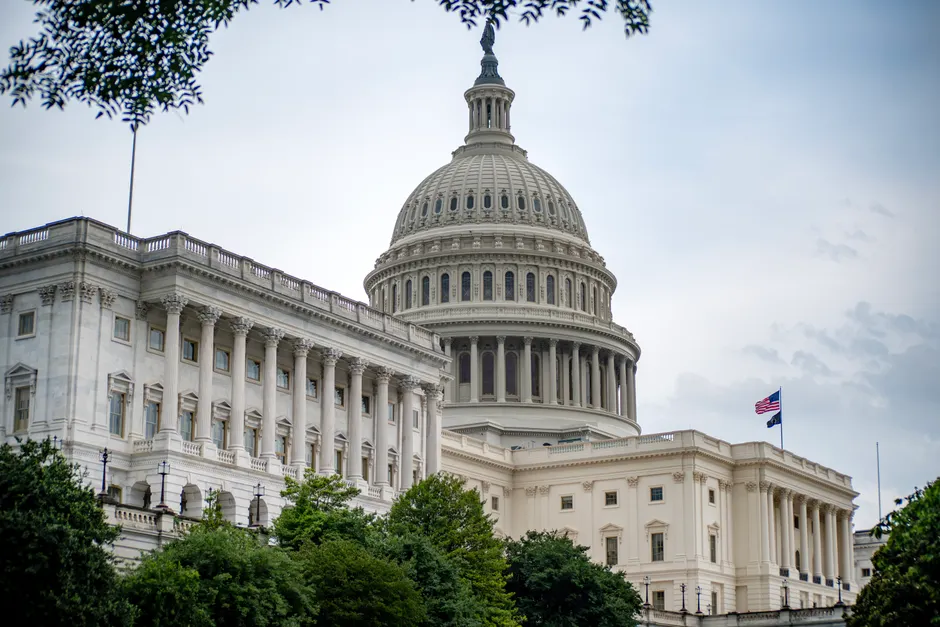
Hundreds of U.S. lawmakers gathered in the Capitol Rotunda on July 28, 2026, to honor Senator Lindsey Graham, who died suddenly on July 11 at age 71, shortly after returning to Washington from a trip to Kyiv. The Capitol memorial, authorized by Senate Concurrent Resolution 37, drew an audience that included Graham's sister, Darline, who was sworn in earlier in July to serve the remainder of his fourth term and is now running in the Republican primary to permanently succeed him. Ceremonies were scheduled to continue into the afternoon at Washington National Cathedral, where Ukrainian President Volodymyr Zelenskyy, Israeli Prime Minister Benjamin Netanyahu, and President Donald Trump were slated to speak. Trump and Zelenskyy also planned to meet ahead of the funeral, marking their second meeting that month.
Senate Majority Leader John Thune delivered a eulogy at the Rotunda ceremony, calling Graham a "fierce defender of Ukraine" and a "powerful voice for the anti-abortion movement." Vice President JD Vance also spoke, crediting Graham with saving the 2018 confirmation of Brett Kavanaugh to the U.S. Supreme Court. Vance described Graham as someone "who could disagree with you without being disagreeable" and called him "a true American original," a characterization echoed across multiple outlets covering the service. The official website of the Senate Majority Leader published video of Thune's remarks.
Graham's death came weeks after he won the Republican nomination for a fifth Senate term. His congressional career began with election to the U.S. House of Representatives in 1994. He served as a manager — essentially a prosecutor — during Bill Clinton's 1999 impeachment trial (the process by which Congress can remove a federal official) and won a Senate seat in 2002. Congress.gov lists his tenure as running from 1995 through 2026, with a Memorial designation on his record. The Senate convened on July 13, 2026, with Graham's desk draped in black cloth and adorned with white roses, as senators delivered tributes.
The political transition for Graham's seat is already underway. Darline Graham announced the funeral arrangements via a press release on Graham's official Senate website. President Trump said he asked Darline to run for the Senate, and she is now competing in the Republican primary to hold the seat permanently. South Carolina's Republican apparatus will be tested in that primary, which will determine whether the Graham name retains sufficient electoral pull or whether an open contest invites new candidates.
The international dimension of the memorial is notable. The scheduled presence of Zelenskyy and Netanyahu at Washington National Cathedral, alongside Trump, turned the funeral into a diplomatic occasion as much as a legislative one. The planned Trump-Zelenskyy meeting, their second in July, occurred during a period of continued pressure on U.S. policy toward Ukraine. Graham had positioned himself as a vocal supporter of continued U.S. engagement with Kyiv, and his final trip before death was to the Ukrainian capital. The gathering of these leaders in Washington simultaneously served as a diplomatic meeting on the margins of the memorial.
Ceremonies were scheduled to continue on July 29 in South Carolina, with services and an F-16 flyover at the state house in Columbia, followed by a procession to First Baptist Church and a private family burial in Pickens County.
The broader context here is the intersection of institutional continuity and political succession. Graham's death removed a senator who bridged several factions within the Republican Party and maintained relationships across the aisle. Thune's framing of Graham's legacy, emphasizing both his support for Ukraine and his anti-abortion advocacy, signals how party leadership will frame his record. Vance's emphasis on Graham's role in the Kavanaugh confirmation places him in the lineage of conservative judicial appointments. The memorial, in its scale and attendee list, functions as a measure of Graham's institutional footprint — the reach and influence he built over three decades in Congress.
Looking at what this means for the Senate's composition, Darline Graham's appointment and primary campaign introduce a new variable. If she prevails, the seat remains in familiar hands. If she falters, the primary opens the door to candidates who may chart a different course. The South Carolina Republican primary will be the first concrete electoral test of the post-Graham landscape.