Google and Samsung Bring Smart Glasses to Mainstream With Android XR
Google and Samsung Bring Smart Glasses to Mainstream With Android XR
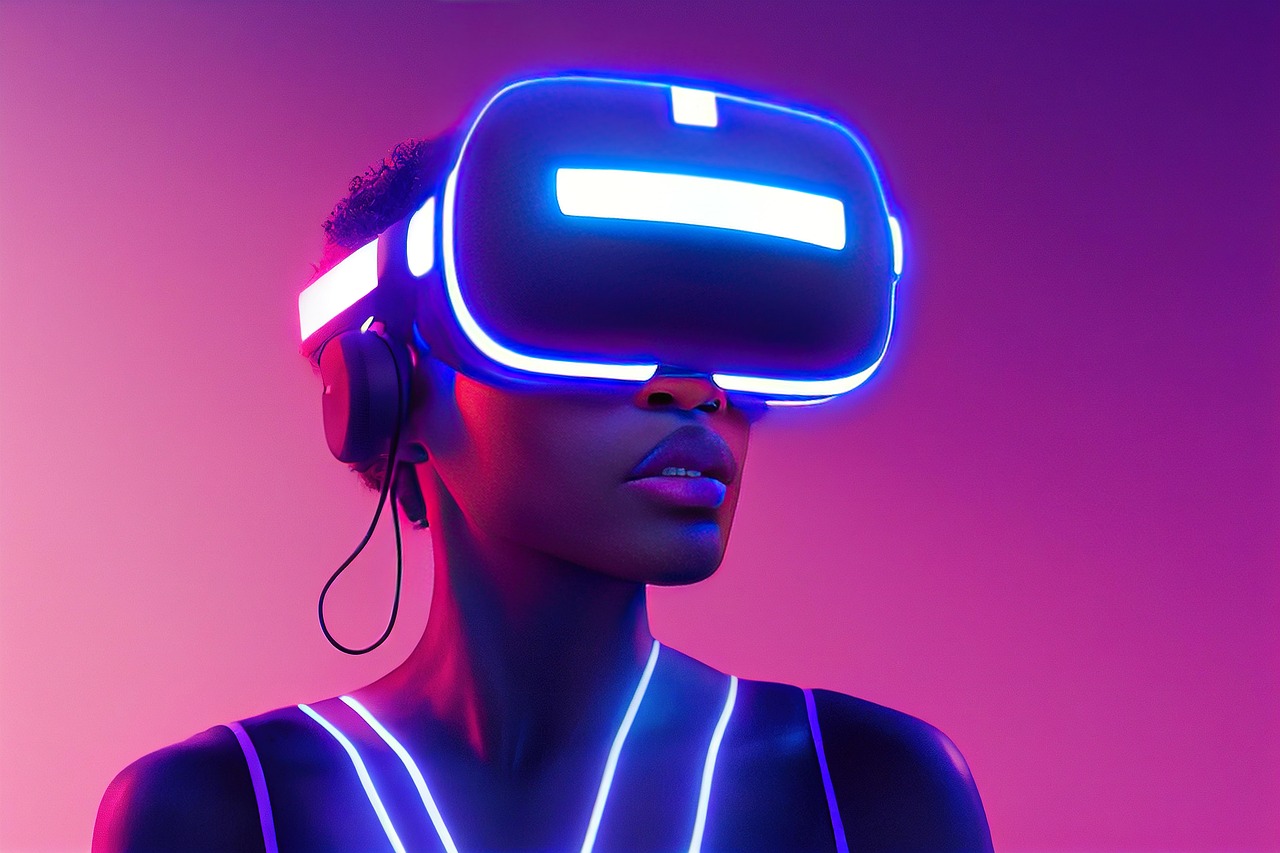
Google and Samsung have announced Android XR, a new software platform built to run on smart glasses and XR headsets. The announcement includes partnerships with eyewear companies Gentle Monster and Warby Parker—a sign that the two tech giants are treating smart glasses as a real consumer product category, not just an experiment.
Samsung's Galaxy XR is the first device built on this platform. It combines features that until recently only existed separately: voice recognition, a built-in camera to see what you're looking at, and hand gesture detection. Samsung calls this "multimodal AI"—meaning the device understands you through multiple channels at once, more like natural conversation than traditional touchscreen commands.
How It Works and Who's Building It
Android XR smart glasses have cameras, microphones, and speakers built in. They connect to your smartphone—they're not a standalone computer, at least not yet. The glasses can display information on a small screen inside the lens when you need it, but they don't fill your entire field of vision with digital information all the time.
Google has signed formal partnerships with multiple eyewear makers. Besides Gentle Monster and Warby Parker, the company plans to work with Kering Eyewear (which owns brands like Gucci and Balenciaga) for future models. Google is investing money and engineering resources into these partnerships, not just licensing the software.
One of the more striking features shown in early demos is real-time translation: the glasses can listen to someone speaking another language, translate what they said, and display the translation as subtitles in your field of view—all while you're having a conversation.
What Developers Get
Google plans to open the Android XR platform to developers in the second half of 2024. This is the standard playbook: first announce partnerships with device makers, then give software developers access so apps and services can be built on top of the platform.
Google has also been testing these glasses with Xreal, another manufacturer, through a project called Project Aura. This suggests Google sees Android XR as the foundation for many different companies' smart glasses, not just Samsung's.
Why This Partnership Matters Historically
If you've watched the mobile industry over the last 20 years, this model will feel familiar. Google (software), Samsung (hardware), and Qualcomm (the chips inside) worked the same way during the smartphone revolution. That trio helped Android beat out competitors and made smartphones a mass-market product.
The smart glasses market is different from phones—people are pickier about what they wear on their face, and the use cases aren't as obvious yet. But by partnering with fashion-forward brands like Gentle Monster and established retailers like Warby Parker, Google and Samsung are trying to solve a problem that killed earlier smart glasses attempts: they have to look good and be easy to buy, not just work well.
The Design Choices Say Something Important
The decision to tie these glasses to your smartphone is telling. Smart glasses are physically small and lightweight, so running heavy processing on them would drain the battery in hours. By offloading computation to your phone via wireless connection, the glasses can stay light and last all day.
The optional display—showing information only when you ask for it, rather than constantly overlaying data—reflects a hard lesson from earlier smart glasses. Devices like Google Glass, which showed information at all times, felt intrusive and made people uncomfortable wearing them in public. Selective information feels less exhausting.
Voice, vision, and gesture control make sense for something you wear on your face. You can't tap a touchscreen when the device is on your head, so the platform is designed for hands-free interaction from the ground up.
The Bigger Picture
The broader context here is that we may be shifting from a world where you pull information from a device in your hand to one where information is contextually available in your field of view—a quieter, more ambient way of using technology. Whether Android XR actually achieves this depends on three things: whether the software and hardware work smoothly, whether developers build useful apps for it, and whether people genuinely want to wear smart glasses every day.
That last point is the uncertainty. Smartphones succeeded because they were obviously useful and people already carried devices in their pockets. Smart glasses have to overcome the hurdle of being a visible accessory, and that's a harder sell. The partnerships with eyewear brands suggest Google and Samsung understand this challenge and are treating fashion and distribution as seriously as engineering.