Coca-Cola Beats Q2 2026 Expectations as Pricing Strategy and Mr. Pibb Revival Take Hold
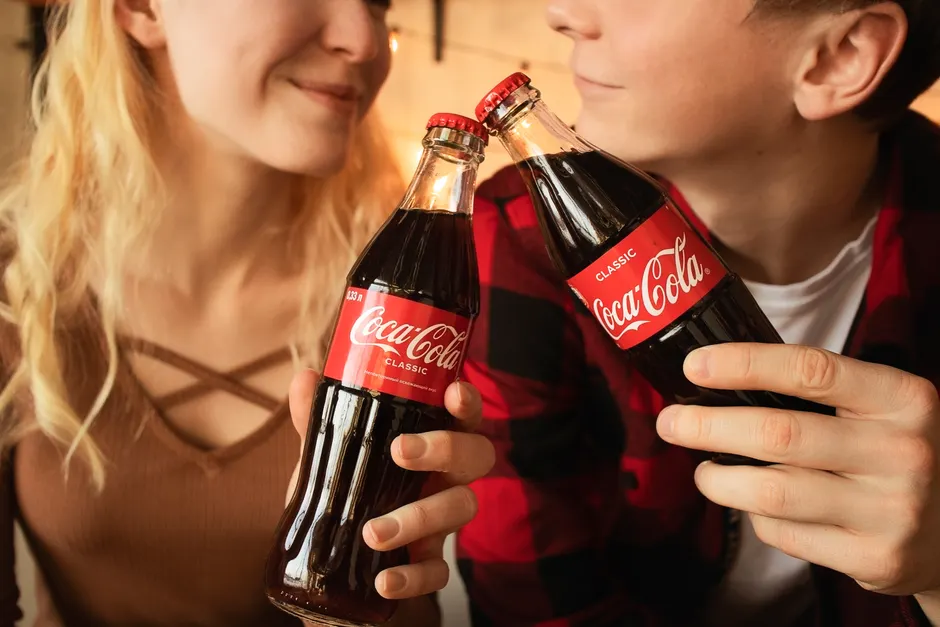
Coca-Cola reported Q2 2026 adjusted earnings of $0.97 per share on July 28, 2026, beating analyst consensus (the average Wall Street forecast) of $0.93 by $0.04, or 4.3%. The quarter, covering the period ended July 3, 2026, also delivered 6% organic revenue growth — meaning revenue growth from the company's actual operations, excluding acquisitions or currency effects — and 5% unit case volume growth, which measures how many cases of product the company actually sold. Both gross margin (profit after the cost of making the product) and operating margin (profit after most operating costs) expanded year over year. Shares jumped 6% on the results. (Investing.com)
The earnings beat lands against a deliberately cautious full-year setup. Coca-Cola has forecast sluggish revenue growth for 2026, and CFO John Murphy stated in mid-2026 that the company is adjusting its pricing and pack strategy because consumer demand remains uneven across income groups. (Grocery Gazette) The revised approach spans a mix of pack sizes, formats, and price points, ranging from lower-cost single-serve options to larger and premium offerings. In practical terms, that means Coke is trying to hold onto budget-stretched shoppers with smaller, cheaper formats while still capturing margin from premium products (known as SKUs, or stock-keeping units) at the top end.
The Q2 numbers suggest that strategy is gaining traction. Volume growth of 5% is a solid figure for a mature beverage portfolio in an uneven consumer environment, and the simultaneous margin expansion indicates the company is not buying that volume with destructive discounting. Organic revenue growing 6% alongside 5% volume growth implies a positive price/mix contribution — meaning Coke is selling more products and doing so at favorable prices — which is consistent with the multi-tier pack architecture Murphy outlined.
Layered onto the pricing strategy is a product-level catalyst: the relaunch of Mr. Pibb. Coca-Cola announced the return of the brand on October 30, 2025, with a new look, new packaging, and a reformulated taste profile featuring intensely sweet cherry with hints of caramel. Both Mr. Pibb and Mr. Pibb Zero Sugar are part of the relaunch. (Coca-Cola Media Center)
The brand has a tangled history. Originally launched in 1972, it was renamed Pibb Xtra in 2001. (Food Business News) The 2025 relaunch restored the Mr. Pibb name and bumped the caffeine content. An initial press release in October 2025 stated the reformulation contains 30% more caffeine than Pibb Xtra. A subsequent Coca-Cola press release dated March 20, 2026, themed around March Madness, revised that figure upward to 35% more caffeine than Pibb Xtra, along with a restated taste profile of intensely sweet cherry with hints of caramel. (Coca-Cola Media Center) The later figure is the one to track.
A national rollout of the new Mr. Pibb products is planned for 2026. (Food Ingredients First)
The Mr. Pibb relaunch fits a pattern observable across Coca-Cola's portfolio strategy: reviving dormant or undermarketed brands with reformulated profiles and sharper positioning rather than relying solely on new-product development. The extra caffeine content is a direct play for the energy-drink-adjacent consumer, and the Zero Sugar variant addresses the sugar-reduction trend without abandoning the flavor identity. The dual-SKU approach also gives the brand flexibility across the pricing tiers Murphy described, with the zero-sugar line potentially commanding a different price point than the flagship.
The broader context here is what the Q2 results signal against Coke's own cautious framing. If organic revenue is growing at 6% mid-year against a "sluggish" full-year guide, either the second half is expected to decelerate materially or the guide was conservatively set. The margin expansion alongside volume growth is the more telling signal: it suggests Coke's pricing architecture, the multi-format pack strategy, and brand-level investments like the Mr. Pibb relaunch are working in concert rather than at cross-purposes. Whether that holds through a full national Mr. Pibb rollout and the typically stronger second-half demand season is the question the second half of 2026 will answer.