How a 40,000-Acre Utah Data Center Project Is Reshaping AI Infrastructure
How a 40,000-Acre Utah Data Center Project Is Reshaping AI Infrastructure
Box Elder County in western Utah has approved a massive new data center campus called the Stratos Project. Backed by investor Kevin O'Leary through his infrastructure firm O'Leary Digital, the project spans 40,000 acres and will focus on processing artificial intelligence workloads and supporting defense operations. The county commission voted unanimously to move forward after reviewing over 2,500 community comments.
What the Project Actually Is
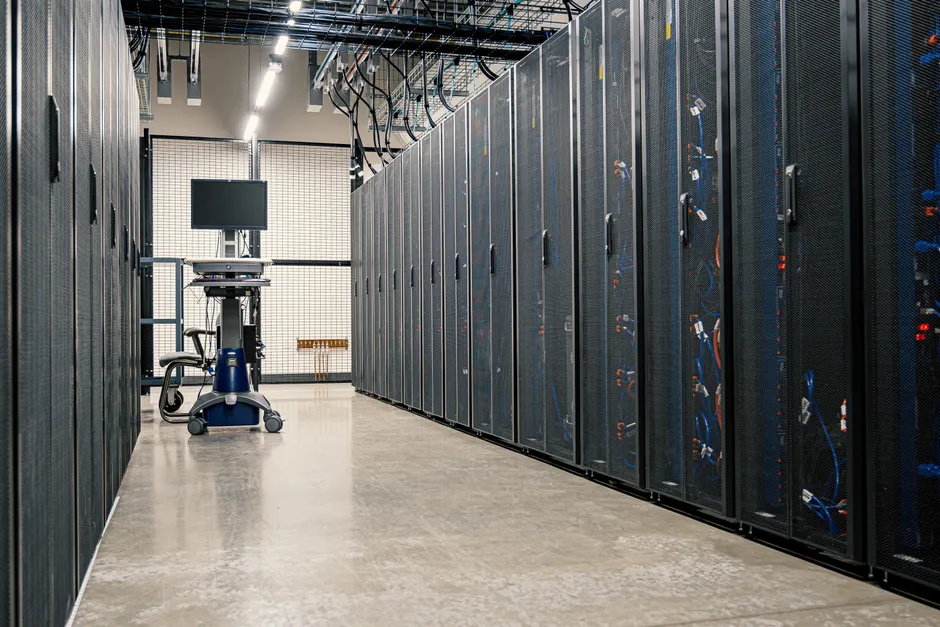
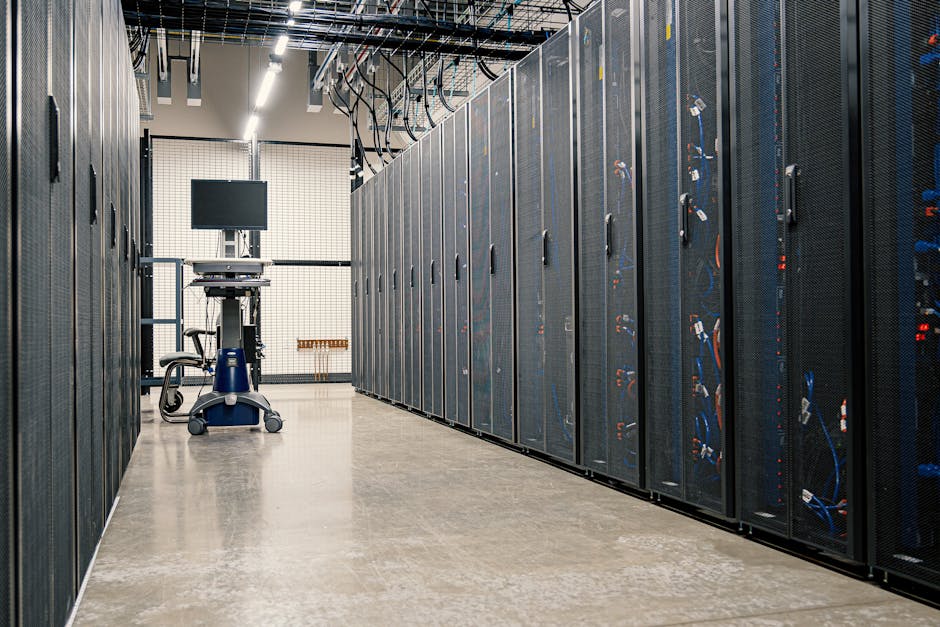
The Stratos Project is a "hyperscale" data center — a term used for enormous computing facilities that house thousands of servers in climate-controlled buildings. While the total land area is 40,000 acres, the actual data center buildings will occupy only a fraction of that space. Architecture firm Gensler is designing the master plan.
The facility is specifically engineered to handle AI inference workloads — the computational work of running trained AI models to produce outputs, as opposed to training those models from scratch. This requires significant electrical power and cooling capacity. The project will include dedicated power generation and specialized cooling systems necessary to prevent servers from overheating.
How It Gets Built and Paid For
The project moved forward through the Military Installation Development Authority (MIDA), a state agency that coordinates development near military installations. This allowed the county to approve the project on previously unzoned rural land in western Box Elder County.
A key point: the private developer bears the full cost of building all public infrastructure — power lines, roads, telecommunications networks, water systems — needed to support the facility. This arrangement is increasingly common for large data center projects, since these facilities have power and cooling needs far beyond what a typical rural county can provide. Taxpayers are not footing the bill for basic infrastructure.
The Water Question
The project will use 3,000 acre-feet of water annually for cooling. To address regional concerns, the project is designed not to draw from the Great Salt Lake, and state documentation confirms it does not represent new water rights. Instead, it will rely on on-site water sources, likely groundwater. The state's Division of Water Quality will require permits for any discharge to surface waters.
This is a critical design constraint. Data centers generate enormous heat and need substantial water for cooling — imagine industrial-scale air conditioning. The commitment to avoid the Great Salt Lake was important because Utah's arid climate means water is scarce and the salt lake level has been dropping for years.
Defense and Commercial Purpose
The facility explicitly targets both classified defense operations and commercial cloud computing and AI workloads. This "dual-use" approach aligns with broader federal efforts to build domestic data center capacity for national security, especially as AI increasingly requires specialized chips and fast, secure access to sensitive government datasets.
Utah already hosts military installations and a growing aerospace industry, so the state was positioned to manage this kind of infrastructure. The western Box Elder County location provides relative isolation while still connecting to the regional power grid.
Broader Implications
The Stratos Project will be Utah's largest data center development to date and suggests the state is positioning itself to compete with established data center hubs in Virginia, Texas, and Oregon. The large land area allows room for expansion — multiple data center buildings, power substations, and cooling infrastructure — something that squeezed urban deployments cannot offer.
In broader context, we have seen this pattern before. When cloud computing took off in the 2010s, large technology companies began building enormous data centers to consolidate workloads. What is different now is that these facilities are optimized specifically for AI inference work, which has somewhat different technical requirements than general cloud computing. The pattern of moving computing to specialized facilities has become the dominant model, and this project signals that even rural regions are now entering that competition.
What Comes Next
The project still faces real challenges typical of rural hyperscale buildouts: upgrading local power grids, running fiber optic lines to the remote location, and training or recruiting skilled workers for ongoing operations. The facility also requires continuous monitoring to ensure water usage stays within permitted levels.
Some local residents raised concerns during the approval process about traffic, noise, and changes to the rural landscape. The county commissioners who voted for the project then stopped giving interviews to media outlets, according to local reporting — a sign that community sentiment remains mixed even after approval. Those concerns may well resurface during construction and when the facility opens.
The Stratos Project approval puts Box Elder County on the map in the rapidly growing hyperscale infrastructure sector, with potential benefits for Utah's technology economy and defense industry capabilities.