Ride1Up Roadster V3: What Torque Sensing and Dual Drivetrains Mean for Your E-Bike
Ride1Up Roadster V3: What Torque Sensing and Dual Drivetrains Mean for Your E-Bike
Ride1Up has released the Roadster V3 electric bike with two major upgrades: a torque sensor system and a choice between two different drivetrain setups. The California company is positioning this model as a practical commuter bike that adapts to different riding styles and maintenance preferences.
What's New Under the Hood
The Roadster V3 uses a 500W motor mounted in the rear hub — the same location as previous Roadster models, but with better controls. The biggest change is the Intui-Drive torque sensor. Here's what that means: instead of the motor simply reacting to how fast you pedal, it now responds to how hard you push. This feels much more natural, like the motor is helping you in proportion to your effort rather than giving you an on-off jolt.
The bike can reach 28 mph in pedal-assist mode if you choose the traditional chain drive, or 25 mph with the belt drive option. The speed difference comes down to how each drivetrain is engineered — belt systems have tighter operating requirements to stay quiet and last longer.
Chain or Belt: Choose Your Trade-off
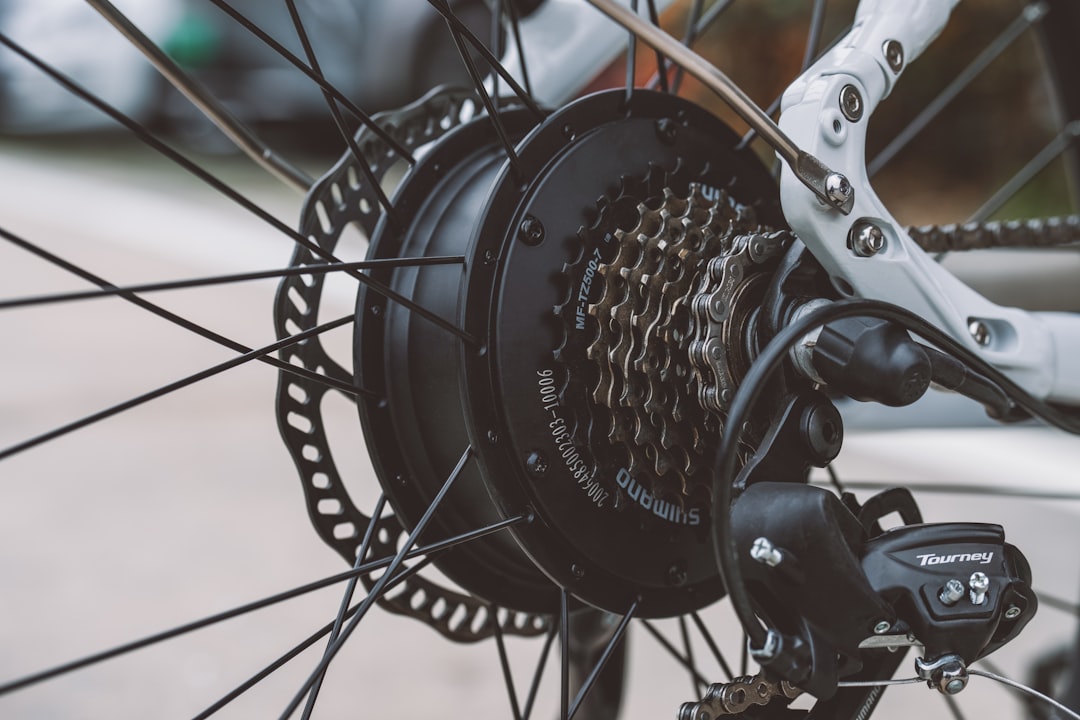
You get two drivetrain choices with the Roadster V3. The first pairs a 9-speed Microshift Advent derailleur — a set of mechanical shifters that move the chain between gears — with a traditional chain. This option gives you more gears to work with and is easier to repair at any bike shop.
The second option uses a Dayco Power Carbon belt drive instead. A belt drive eliminates the chain entirely, replacing it with a rubber-and-carbon belt similar to what you might find in a car engine. The trade-off: fewer gears, but much less maintenance and almost no noise. The carbon reinforcement makes the belt last longer than older plastic versions.
Both versions use Tektro hydraulic disc brakes — the kind you'll find on higher-end regular bikes. The hydraulic system gives you good control and stopping power, which matters when a motor-assisted bike carrying a battery is moving at 25–28 mph.
Why Torque Sensing Matters
Early electric bikes relied on cadence sensors, which only detected whether you were pedaling and how fast. The motor would kick in whenever you pedaled, which often felt jerky and disconnected from normal riding.
Torque sensors work differently. They measure how hard you're pushing the pedals, then scale the motor's help to match your effort. A few years ago, this technology was only on expensive bikes. Now sensor costs have fallen enough that companies like Ride1Up can include it in mid-range models.
This is a pattern we have seen before in technology: GPS navigation used to be a luxury feature in cars, then became standard on phones, and now everyone expects it. Torque sensing is following the same path — it started premium, now it's becoming ordinary.
Ride1Up's Bigger Picture
The Roadster V3 fits into Ride1Up's strategy of making different bikes for different needs, rather than one bike for everyone. Other models like the Turris handle longer off-road rides. The Roadster V3 focuses on reliable commuting with options that let you choose what matters most to you.
The dual-drivetrain approach shows the company understands that commuters want different things. Some want to use their local bike shop for repairs and need lots of gears for varied terrain. Others would rather have a quiet, maintenance-light ride even if they have fewer gear options.
A Maturing Market
The broader context here is that electric bikes are moving past their early days. Manufacturers now compete on refinement — better sensors, smarter power delivery, less maintenance — rather than just whether the bike works at all. As cities build better bike infrastructure and rules around e-bikes settle down, features like torque sensing and belt drives stop being nice-to-haves and start being what buyers expect.
The Roadster V3 reflects this shift. It's not a revolutionary bike, but it shows a company paying attention to what commuters actually want: simplicity, choice, and technology that feels natural rather than bolted-on. Ride1Up appears confident that competitive advantage now comes from getting the details right.

