Heathrow Can Charge Passengers £320 Million for Third Runway Planning Costs, Regulator Rules
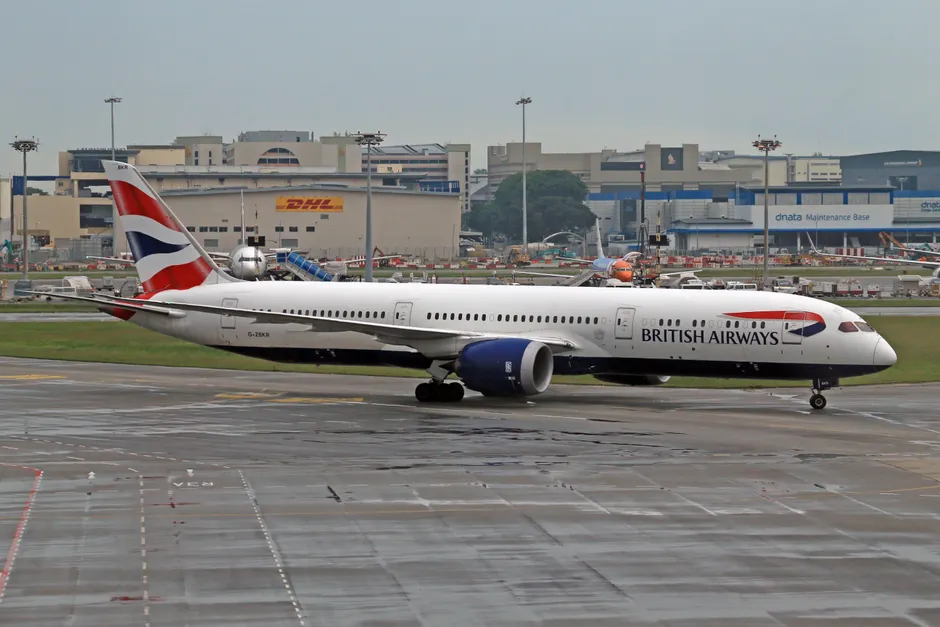
The UK Civil Aviation Authority (CAA) has given Heathrow Airport Limited (HAL) the green light to recover £320 million spent on its third runway proposal since the start of 2025, with the costs to be passed on through higher airline charges spread over roughly 20–25 years. The decision, announced on 29 July 2026, means passengers will ultimately pay through increased air fares. The recoverable amount is equivalent to about $425.2 million (The Guardian; MarketWatch).
The CAA's final decision caps early expansion costs incurred by HAL in 2025 and 2026 at £320 million, matching the figure it proposed in a draft ruling in December 2025 (CAA draft decision). HAL had formally sought recovery of approximately £320 million (in 2024 prices) in a letter to the CAA dated 31 July 2025 (CAA). The CAA's CAP3149 consultation document had previously outlined £71 million in early costs forecast for 2025, rising to a total of £320 million over the H7 regulatory period — the current five-year window during which the CAA sets price caps for Heathrow (CAA).
The approved costs cover planning and design work needed to build a credible expansion proposal, including material to support a future Development Consent Order (DCO) application — the formal planning permission process for major infrastructure projects in the UK (The Guardian). The CAA also allowed Heathrow West, a rival expansion scheme led by Surinder Arora, to recover £4.1 million spent on its own plan in 2025 up to 25 November 2025 — the date the UK government designated HAL's proposal as its preferred option for Heathrow expansion (The Guardian).
The immediate fare impact is modest but builds over time. The decision will raise the maximum airport charge per passenger by about 15 pence in 2028, climbing to an estimated 30 pence in later years. The final impact on passenger charges will be set as part of the next Heathrow price control review (The Guardian; Travel Weekly). A separate CAA process will determine how expansion costs from 2027 onward are handled.
The political and regulatory backdrop is layered. In mid-2026, the UK government launched a consultation on its Heathrow expansion national policy statement, which sets out the conditions the project must meet for approval. Then-chancellor Rachel Reeves had previously said she wanted construction to begin during the current parliament and for the runway to be built by 2035 (The Guardian). Heathrow has proposed setting average passenger charges at £33.26 for the 2027–2031 period, up from a claimed £28.46 in the prior period (BBC News).
Airlines have pushed back hard. British Airways, the largest operator at Heathrow, warned that early cost recovery by HAL would risk making expansion "unaffordable for consumers and inconsistent with a credible benefits case" (The Guardian). Virgin Atlantic disclosed in its consultation response that HAL's forecast of early expansion costs rose from around £320 million to at least £400 million after its initial submission to the CAA (CAA consultation response). Airlines and hoteliers had separately called for reform of Heathrow's funding model before any investment in a third runway (BBC News).
Regional political friction adds another layer. Andy Burnham, mayor of Greater Manchester, has expressed concerns that Heathrow expansion channels infrastructure investment away from the north of England and concentrates it in London (The Guardian).
The CAA's director of consumers and markets, Tim Johnson, oversees the regulatory framework within which these decisions are made (The Guardian).
The broader context here is that the CAA's decision essentially sets up a preliminary financial framework: it establishes that money spent before formal planning consent can be recovered through the regulated asset base — the pool of approved costs that the airport is allowed to recoup from passengers via charges. But it defers the much larger question of how construction-phase costs will be divided up. That deferral matters. The £320 million cap covers only 2025–2026 spending; the DCO application, construction, and related capital costs will dwarf this figure, and the CAA has indicated a separate process will govern post-2027 costs. The gap between HAL's initial £320 million estimate and Virgin Atlantic's evidence of a revised forecast exceeding £400 million suggests that cost discipline will be a live battleground, especially if early-stage spending keeps climbing before the DCO process concludes.
The structural tension the CAA must manage is real. Allowing early cost recovery reduces HAL's upfront financial risk and gives the airport an incentive to push forward toward a planning application. But it does so by baking cost recovery into passenger charges before a final investment decision has been made or the DCO has been granted. Airlines argue this loads consumer costs onto a project whose benefits have not yet been tested through the planning process. The government's national policy statement consultation, still open in mid-2026, will set the conditions the project must satisfy, yet the CAA's economic regulation has already begun shaping the financial pathway. How these two tracks — planning conditions and price control — interact will determine whether the third runway stays politically and commercially viable through the late 2020s.