U.S. and Saudi Arabia Launch Joint Airstrikes on Iran-Backed Militias in Iraq
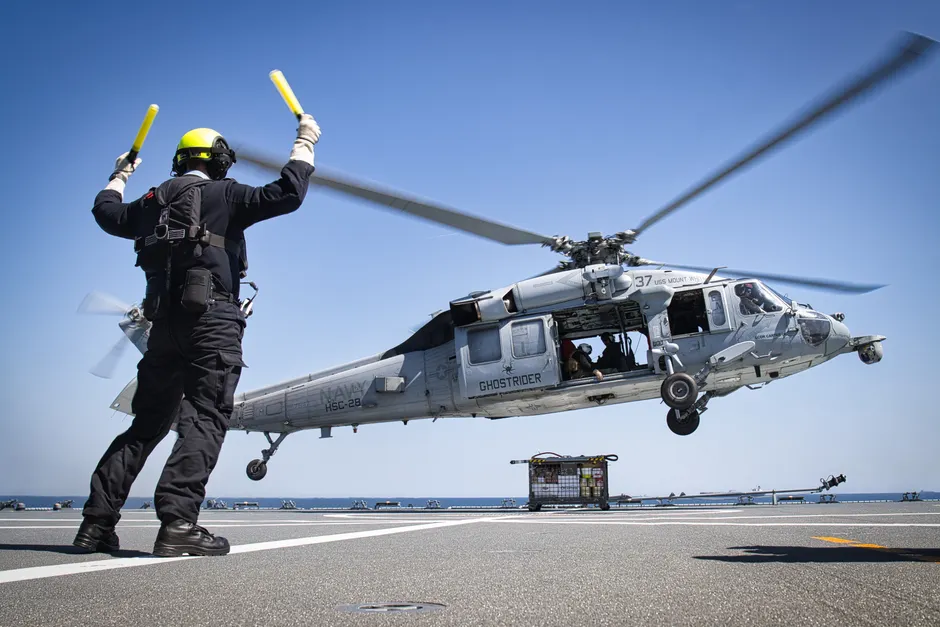
U.S. and Saudi Arabian forces carried out joint airstrikes against Iran-backed militias in eastern Iraq on July 29, 2026, following attacks on American military personnel and Saudi oil infrastructure. U.S. Central Command (CENTCOM) — the military command responsible for the Middle East and Central Asia — and the Saudi Ministry of Defense both confirmed their participation in the operation, which targeted Iran-aligned militant groups operating in eastern Iraq (Al Jazeera; CBS News).
The strikes came after a period of intensified attacks on U.S. military sites in the region. According to the reporting, Iran directly targeted U.S. military installations during the same late-July 2026 timeframe, adding a state-to-state dimension to violence that had previously been carried out through proxy groups — militias armed and directed by Iran but not officially part of its armed forces (New York Times). The joint U.S.-Saudi operation was framed as a direct response to those provocations, as well as a retaliatory measure by Riyadh.
Saudi Arabia's stated rationale for joining the operation was retaliation for drone attacks launched from Iraqi territory against Saudi oil targets (Reuters). By acting alongside the United States, Saudi Arabia signaled that it holds Iran-aligned militias in Iraq responsible for projecting force into its territory and threatening its economic infrastructure. For the United States, the strikes served as a direct response to attacks on American forces stationed in the region (CBS News).
Iraqi armed groups aligned with Iran condemned the joint airstrikes, calling the operation a "dangerous escalation" (Al Jazeera). The targets of the strikes were Iran-backed militant factions operating in eastern Iraq, though the specific groups and the extent of the damage have not been detailed in the confirmed reporting (DW).
The broader context here is the convergence of two parallel threat streams that prompted a coordinated bilateral response. Iran's direct targeting of U.S. military sites during the same late-July period is a notable intensification of the regional confrontation. When a nation-state engages another state's military installations directly rather than through surrogate militias, the risk of a wider, state-level conflict increases substantially. The U.S. and Saudi decision to combine forces was a deliberate signal to Tehran and its network of regional proxies that attacks on American personnel and Saudi economic infrastructure will be met with a unified military response rather than separate, unilateral reprisals.
Riyadh's involvement also carries its own strategic weight. Saudi Arabia's stated motivation — retaliation for drone attacks launched from Iraq against its oil targets — indicates that the Kingdom views militant activity in Iraqi territory as a direct and actionable threat to its domestic energy sector. By participating in strikes inside Iraq alongside the United States, Saudi Arabia is projecting a willingness to conduct cross-border military operations to neutralize threats to its economic infrastructure.
The condemnation from Iraqi armed groups frames the operation as an infringement on Iraqi sovereignty and a destabilizing act. The characterization of the strikes as a "dangerous escalation" suggests that Iran-aligned factions within Iraq may view the joint U.S.-Saudi operation as a provocation that could warrant further retaliation. This dynamic creates a potential cycle of escalation, where military action intended to deter further attacks becomes the catalyst for additional violence.
The confirmed participation of both CENTCOM and the Saudi Ministry of Defense indicates that the operation was coordinated at the command level, rather than being a series of parallel or deconflicted but independent actions. Deconfliction, in military terms, refers to arrangements that prevent unintended clashes between forces operating in the same area — but in this case, the two militaries planned and executed the strikes together. This level of military cooperation between the U.S. and Saudi Arabia against targets in Iraq situates the July 29 strikes within the broader geopolitical confrontation between Iran and its regional adversaries. The direct involvement of Saudi Arabia, responding to its own security concerns, adds a layer of complexity to the U.S.-Iran dynamic that has defined much of the region's recent security landscape.