30-Year Treasury Yield Hits 19-Year High as Fed Pauses and Oil Surges
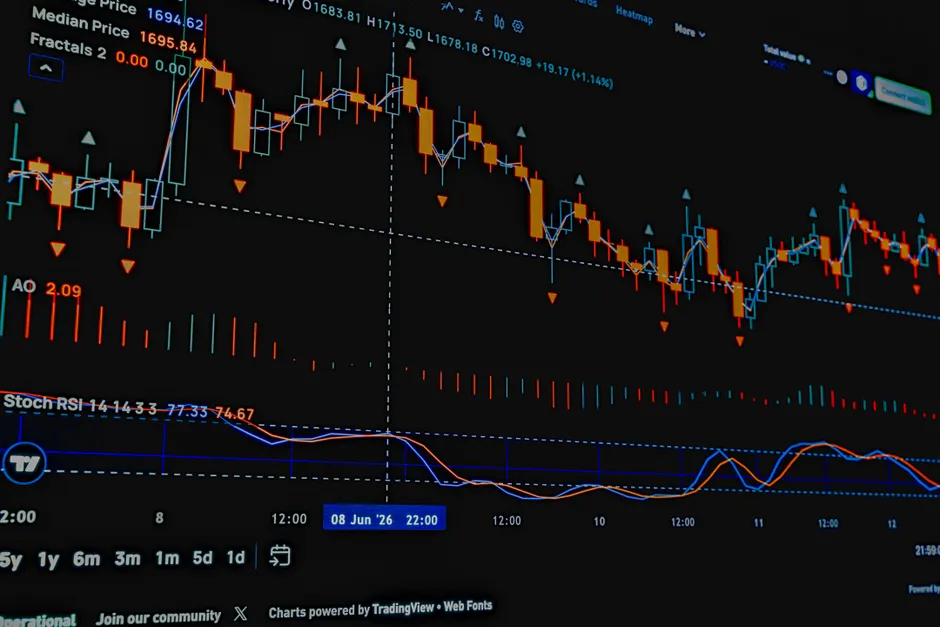
The U.S. 30-year Treasury yield reached 4.699% on July 30, 2026, up 7.8 basis points on the day and marking a 19-year high. A basis point is one-hundredth of a percentage point, so 7.8 basis points equals roughly 0.08 percentage points — a meaningful one-day move for a bond market that usually shifts in smaller increments. The trigger was twofold: the Federal Reserve's decision to hold interest rates steady, and a sharp jump in crude oil prices.
The selloff actually began the previous session. When the Fed announced its rate decision on July 29, the 30-year yield jumped 11 basis points almost immediately, according to WSJ's live coverage. Fed Chair Kevin Warsh held a press conference that day that left market participants unsettled — the kind of reaction that happens when a central bank pauses rates but fails to convince investors the pause is justified.
Think of the yield curve as a line connecting interest rates across different bond maturities, from short-term (like 2-year notes) to long-term (like 30-year bonds). When long-term yields rise faster than short-term rates, the curve gets steeper — a signal that investors expect higher inflation or greater risk over the long haul. That is precisely what happened here. On July 30, the 30-year yield rose an additional 3 basis points to 5.23%, according to Swissinfo, though the most recent WSJ snapshot showed 4.699%. That gap likely reflects different moments during the trading day, with the WSJ figure captured earlier.
Equity index futures were quiet overnight. At 2:05 AM ET on July 30, E-Mini Dow futures stood at 51,793, up just 28 points, WSJ market data showed. Amazon.com Inc. traded at $226.65, down $4.21 or 1.82%, at the same time. The calm in stock futures stood in sharp contrast to the volatility in bonds and oil, a divergence worth noting.
Crude oil added fuel to the inflation concerns pressuring long-term Treasuries. In early European trading on July 30, front-month Brent crude rose 1.8% to $92.42 a barrel, while WTI futures rose 1% to $85.29, WSJ reported. WTI later extended gains to $85.77, up 1.55% from the prior close, according to Trading Economics. Over the preceding month, crude prices had climbed 25.06%.
The oil rally had fundamental backing. On July 30, WSJ reported that commercial crude inventories fell by 7.2 million barrels — a large drawdown that tightened expectations for physical supply. When stored oil drops sharply, prices tend to rise because buyers expect less available supply. Combined with the month-long 25% price surge, the inventory data reinforced fears that energy costs could keep inflation elevated at a moment when the Fed has chosen not to act.
The broader context here is a market caught between two forces pulling in the same uncomfortable direction. A central bank has paused but rattled participants with its messaging. Long-term Treasury yields sit at levels not seen in nearly two decades. And oil is in a pronounced uptrend with supply data lending it support. The 7.2 million barrel inventory draw adds a supply-side catalyst to what was already a 25% monthly move in crude.
For investors holding long-duration bonds, the 30-year at these levels with a Fed on hold and energy costs rising simultaneously sends a clear steepening signal. The question is whether the bond market is pricing in a lasting shift toward higher inflation, or whether investors are demanding a higher risk premium — the extra yield they require for tying up money over decades — because they lack confidence in the government's fiscal direction. Term premium, in plain terms, is the additional yield above expected short-term rates that investors demand for holding a long-term bond rather than rolling shorter ones. When confidence in future policy erodes, that premium expands.
The equity market's overnight calm, with Dow futures barely moved and names like Amazon down modestly, may reflect a lagging adjustment rather than genuine indifference. Historically, when long-term bonds sell off sharply alongside an energy spike, stock market risk premia tend to follow with a delay. The 11 basis point post-Fed jump in the 30-year, followed by more selling on July 30, suggests the market is re-evaluating how high rates will ultimately go and whether the Fed's pause is credible. Warsh's press conference apparently did not deliver the reassurance a pause typically needs to stabilize expectations.
The key tension to watch is whether the 30-year yield holds above 4.70% into the close. If it does, with oil above $85 WTI and $92 Brent, the inflation-driven steepening narrative gains traction and could force a broader repricing across both credit and equity markets. The inventory draw and month-long oil rally supply the fundamental pressure; the Fed's communication supplies the uncertainty. How those two forces interact in the coming sessions will determine whether this is a temporary positioning shakeout or the beginning of a durable shift in long-term interest rates.


