EV Sales Hit Record Highs in Q2 2026 as Oil Prices Push Buyers Toward Electric
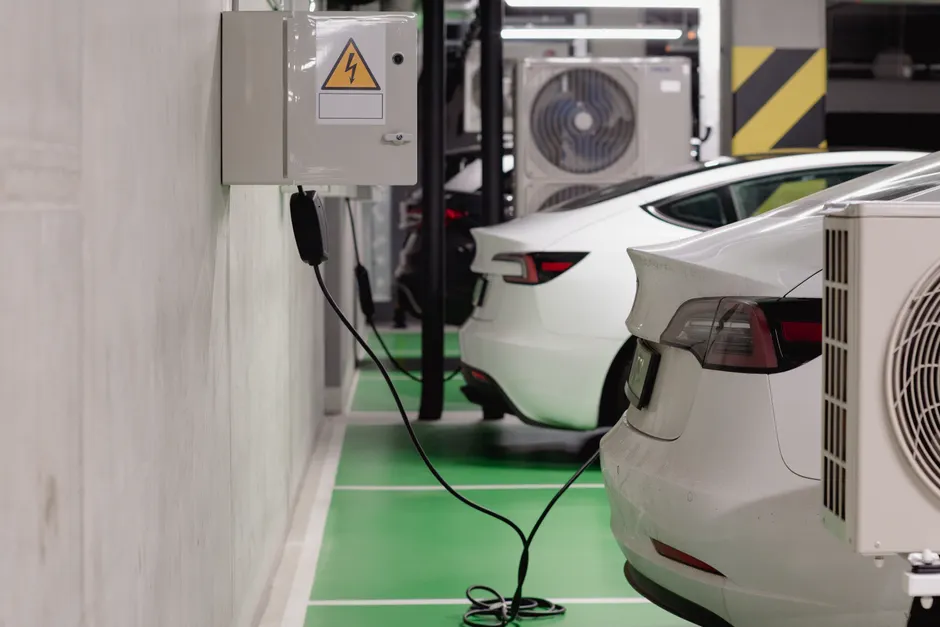
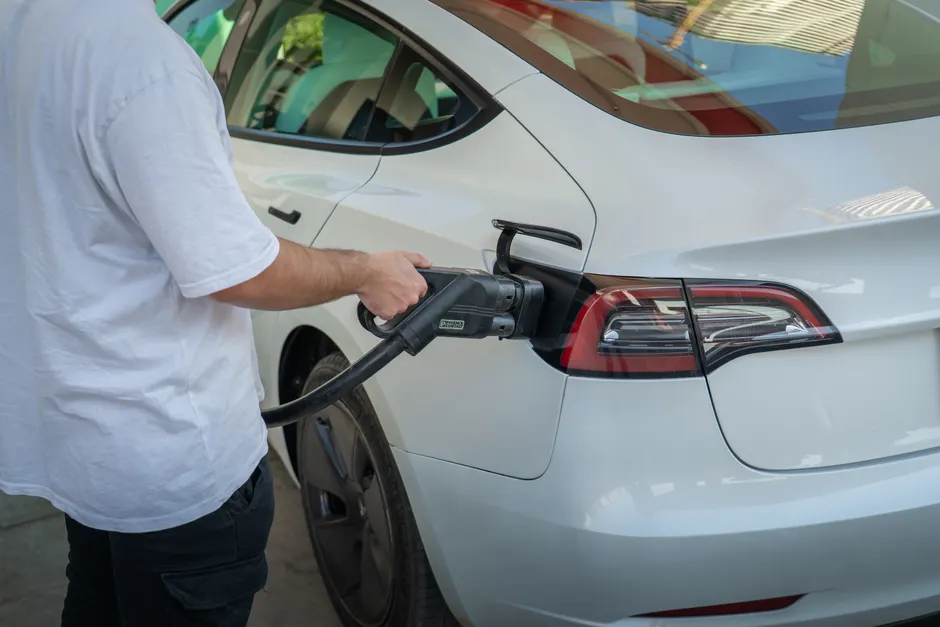
Global sales of electric vehicles and plug-in hybrids rose 4% year-over-year and 35% over the previous quarter in Q2 2026, setting quarterly records across 50 countries tracked by the International Energy Agency (IEA). The IEA attributes the surge to fuel price spikes caused by the US-Iran conflict, which made running costs for gas-powered cars noticeably more expensive at the pump. Road vehicles account for nearly half of global oil use, per the IEA, so even a modest shift in what people buy translates into demand-side pressure on petroleum.
The IEA expects electrified vehicles (a category covering both battery electric vehicles, or BEVs, and plug-in hybrids, or PHEVs) to reach 29% of global car sales in 2026. That figure comes against a backdrop of a shrinking overall car market: global car sales dropped 5% in the first half of 2026, largely due to falling shipments in China and the US (Engadget). EV adoption is climbing while the total market for cars contracts.
Europe stands out in the Q2 data. Battery electric vehicle sales reached record levels across the continent, with 19 out of 27 EU countries achieving record BEV sales, according to Transport & Environment (T&E). In the UK, the Society of Motor Manufacturers and Traders reported a 35% year-over-year increase in BEV registrations, with BEVs and PHEVs together accounting for 36% of total car registrations year-to-date (SMMT). The SMMT notes that a gap to regulatory targets remains despite the growth.
Emerging markets also posted new highs. India, Brazil, Australia, and Korea all set EV sales records in the first half of 2026, per the IEA. These are markets where EV adoption has historically lagged behind China, Europe, and North America. Global EV sales reached 1.60 million units in April 2026 alone, according to Benchmark Minerals (Benchmark Minerals), a monthly data point that preceded the Q2 aggregate.
China's position in the global EV picture is more complex than the headline numbers suggest. The share of electric cars in China's car exports rose from about 35% in 2025 to more than 45% in the first half of 2026, per the IEA, reflecting the country's increasingly export-oriented EV manufacturing base. Chinese EV production costs run about 35% lower than in advanced economies, also per the IEA. Yet domestic demand is not absorbing supply: an estimated one million electric vehicles are sitting unsold in China as of 2026.
The US policy environment has shifted in the opposite direction from the sales data. The Trump administration eliminated federal EV tax credits and weakened fuel economy rules for internal combustion engine vehicles (Engadget). Those moves would, under normal market conditions, be expected to dampen EV adoption. The oil price shock from the US-Iran conflict appears to be overriding that policy drag, at least in the near term.
There is a historical parallel worth drawing. The 1973 oil embargo permanently altered US driving habits and accelerated the adoption of fuel-efficient vehicles, including the first wave of Japanese imports that reshaped the domestic auto industry. The geopolitical supply shock did what decades of regulatory pressure had not: it changed consumer behavior at the point of purchase. The current moment has a similar structural quality, where fuel price signals are doing what tax credits and emissions mandates have done inconsistently, and across a far broader set of markets.
The broader context here is that the sustainability of this demand shift depends on oil prices remaining elevated. If the US-Iran conflict de-escalates and fuel prices retreat, the cost calculus currently pulling buyers toward EVs weakens. Markets that adopted EVs for policy reasons, like the EU with its CO2 fleet standards, are more insulated from that reversal than markets where the purchase decision is driven primarily by running costs. The million unsold vehicles in China are a reminder that supply-side capacity can outrun demand even in a boom, and that inventory overhang tends to exert downward price pressure across export markets.
China's 35% cost advantage and its growing export orientation mean that cheaper EVs will continue flowing into Europe, emerging markets, and eventually the US despite tariff regimes. For automakers in advanced economies, the competitive gap is not closing. For consumers, it means more affordable EV options at lower price tiers. The net effect over the next several quarters is likely to be continued share gains for electrified vehicles, even if the oil-price catalyst that accelerated Q2 demand proves temporary.