Four Migrant Deaths in English Channel Crossings Renew Scrutiny of a Dangerous Route

Four migrant women died on July 29–30, 2026, during two separate small boat attempts to cross the English Channel from France to the UK. Three women lost their lives near Dunkirk when their vessel ran into difficulty overnight; a fourth migrant died later the same day off Hardelot, in the Pas-de-Calais region.
The French coastguard reported the deaths. The Préfecture maritime de la Manche et de la mer du Nord — the French maritime authority responsible for search-and-rescue coordination in the Channel and North Sea zones — issued an official communiqué on its website. It stated that the small boat's departure had been reported to the CROSS (the regional operational surveillance and rescue centre), which monitors and responds to maritime emergencies along France's coast. The vessel was spotted at approximately 6:00 AM on Thursday, July 30, near the digue du Braek, a dyke and breakwater in Dunkirk. The three individuals on board were found unresponsive. Rescue crews brought them ashore, where paramedics confirmed they had died. Préfecture maritime de la Manche et de la mer du Nord
The identities and nationalities of the deceased women have not been disclosed. Maritime authorities in Cherbourg-en-Cotentin issued a statement about the Dunkirk incident, which falls within the operational footprint of the Manche and North Sea maritime prefecture.
The second fatal incident occurred off Hardelot, also on July 30. Details surrounding the circumstances of that crossing attempt remain limited. Both incidents were confirmed by French media outlets. Le Parisien and Paris-Normandie reported the two separate small boat attempts and the combined death toll of four. InfoMigrants reported the gender of the three deceased near Dunkirk as women. InfoMigrants The available facts do not specify whether the fourth fatality off Hardelot was male or female, nor do they provide information on the total number of passengers aboard either vessel or the condition of any survivors.
These crossings occurred during a period of heightened activity. Wednesday, July 29, was one of the busiest days for small boat Channel crossings in 2026, with attempts taking place amid hot, sunny weather and calm sea conditions, according to The Guardian. The Guardian Favourable weather and calm seas typically correlate with surges in crossing attempts, as smuggling networks and migrants seek to exploit windows of reduced navigational risk. That the July 29 surge was followed by fatal incidents on July 30 illustrates the compressed timeline between mass departure events and their consequences.
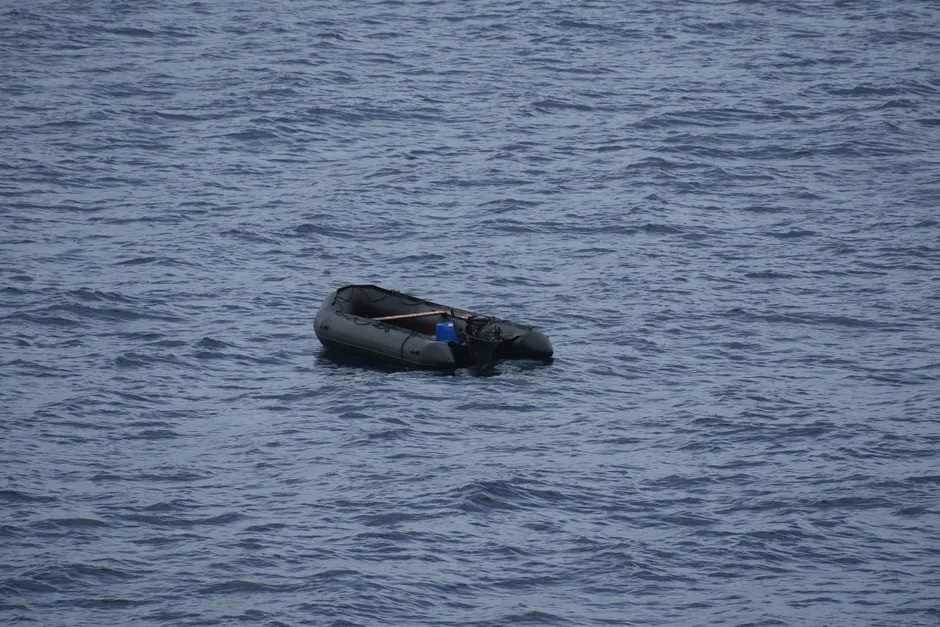
The broader context here is the persisting mortality risk of the Channel crossing route. The English Channel is one of the world's busiest shipping lanes, with strong currents, heavy commercial traffic, and water temperatures that can induce hypothermia rapidly even in summer months. The boats used in these crossings are typically inflatable vessels, often overloaded well beyond their safe capacity and operated by individuals with limited maritime experience. The fatalities on July 30 bring renewed attention to the effectiveness of current surveillance and interdiction frameworks on both sides of the Channel.
France's CROSS network, operating under the Préfecture maritime, coordinates maritime rescue responses. The official press release documenting the three deaths near the digue du Braek was published on the prefecture's website at premar-manche.gouv.fr, providing the authoritative account of the timeline and rescue response.
What remains to be tracked is whether these deaths will generate policy adjustments from either French or UK authorities, and whether the surge in crossings observed on July 29 will persist through the summer. The Channel crossing corridor has seen repeated cycles of high-volume departure periods followed by fatal incidents, with each cycle prompting renewed but unresolved debate over deterrence-based enforcement versus expanded safe-route mechanisms.