Europe's 2026 Firewaves: Why France and Spain Are Burning at Record Scale
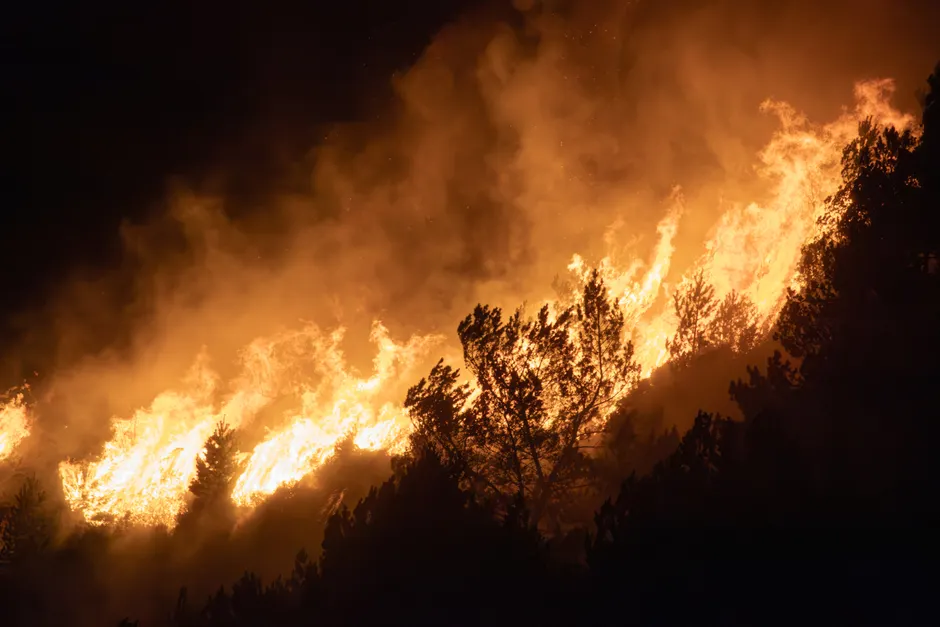
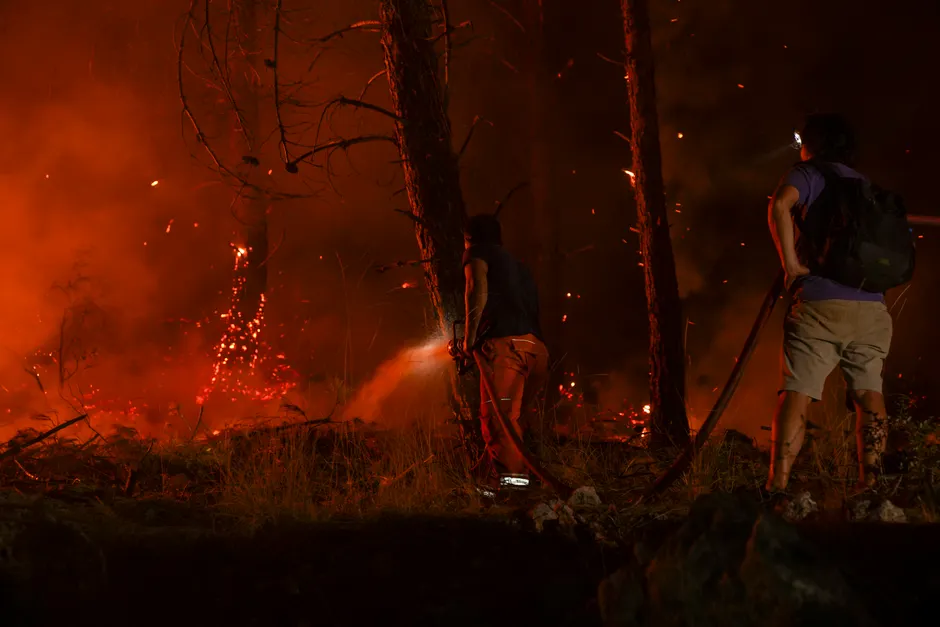
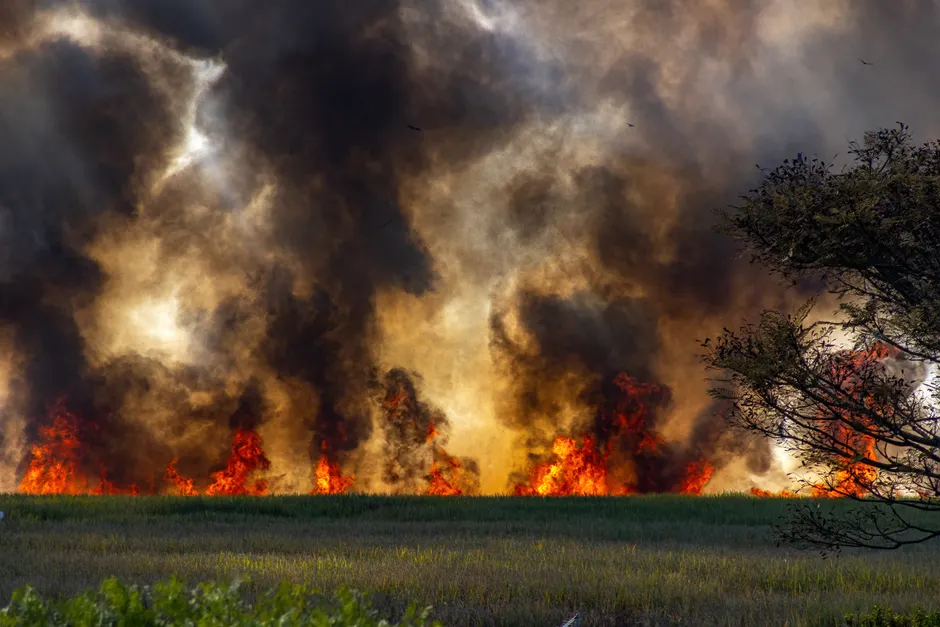
Wildfires raging across France and Spain have forced the evacuation of 330,000 people from their homes as of July 30, 2026, with France surpassing its worst previous year for total area burned by late July and August yet to come The Guardian. Spain's cumulative number of wildfires in 2026 set a new record for that time of year, though its cumulative burnt area remained just below the level reached during the devastating 2022 fire season The Guardian. Spain declared a state of emergency on July 24, 2026, due to uncontrolled wildfires Getty Images/Facebook.
The crisis escalated sharply through July. On July 22, 2026, more than 220,000 people were preventively evacuated from 23 communes in France due to wildfires Gendarmerie Nationale. About 60,000 people were evacuated near Madrid due to a wildfire, as reported by Spain's Interior Ministry NPR. At least one person died in the Spain wildfires of July 2026 ABC News.
Scientists described the 2026 European wildfire outbreak as 'firewaves' — sustained, wave-like sequences of extreme fire activity driven by compound heat and drought The Guardian. The drought conditions fueling the 2026 European wildfires were made 80 times more likely by global heating The Guardian. June 2026 was Western Europe's hottest June on record, with an average surface air temperature anomaly of 3.06°C, and the heatwave at the end of June 2026 was the most severe ever recorded in Europe The Guardian.
Spain's climate pattern in 2026 exhibited extreme volatility. In February 2026, Spain received 241% of normal average rainfall. In April 2026, Spain received only 58% of normal average rainfall The Guardian. This whiplash from heavy precipitation to drought contributed to the fuel load — the amount of combustible vegetation available to burn — and its subsequent ignition.
Unprecedented pyrocumulonimbus 'fire clouds' formed in France during the 2026 wildfires. These are towering clouds generated by the intense heat of a large fire, which can rise high enough to produce lightning and spark new fires far from the original blaze, becoming self-feeding firestorms The Guardian. A pyrocumulonimbus fire cloud formed in the Fontainebleau forest region, about 37 miles south of Paris, France. The Fontainebleau forest fire started on July 12, 2026, in the Seine-et-Marne department Gendarmerie Nationale. Approximately 10% of the Fontainebleau forest burned on July 12, 2026, and approximately 800 firefighters were mobilized on the first day of the fire French Interior Ministry.
The largest wildfire in France since World War Two burned nearly 42,000 hectares in 2026 Copernicus Atmosphere Monitoring Service. Copernicus predicted high fire risk for Spain, France, and the Benelux countries in the first week of July 2026 Copernicus Atmosphere Monitoring Service. On July 7, 2026, Météo-France placed 61 French departments under high fire risk and three departments under very high risk, including Essonne. The French Interior Minister traveled to the Pyrénées-Orientales department on or around July 7, 2026, in connection with the wildfires Gendarmerie Nationale.
In Spain, the Military Emergency Unit (UME) was deployed to the Morillo–La Fueva wildfire in Huesca on or around July 1, 2026. On July 1, 2026, a wildfire in Morillo–La Fueva, Huesca, Spain caused 45 people to be evacuated and cut electricity to the area. A wildfire occurred in Borox, Toledo province, Spain on July 2, 2026 Protección Civil. Spain's Civil Protection agency (Protección Civil) published wildfire tracking reports dated July 5, 2026 and July 12, 2026 Protección Civil.
Spanish firefighter Javier García told the Associated Press he had never faced anything like the 2026 fires The Guardian. In 2025, the total burned area from forest and vegetation fires in France was close to 30,500 hectares, the second-highest on record for forest and vegetation fires. In 2025, the single largest forest fire in France destroyed 11,000 hectares and spread across 17,000 hectares French Ministry of Ecology.
The broader context here is the emergence of compound climate extremes overwhelming emergency response capacities in Western Europe. The whiplash from record rainfall in Spain during February to acute drought by April produced an unusually high fuel load, desiccated and primed for ignition by the June heatwave. The formation of pyrocumulonimbus fire clouds in France, particularly in the Fontainebleau forest region south of Paris, marks a meteorological threshold crossing where fire behavior is no longer merely responding to atmospheric conditions but actively generating its own weather systems, propagating via lightning strikes far from the original fire front.
The deployment of approximately 800 firefighters on the first day of the Fontainebleau fire and the preventive evacuation of more than 220,000 people across 23 French communes reflect the scale of response required. The fact that France had already surpassed its worst previous year for total area burned by late July, with the peak fire month of August yet to come, raises the prospect of further records being set before the season ends. Spain's declaration of a state of emergency on July 24, 2026, in response to uncontrolled wildfires, points to the strain on national emergency infrastructure, with the Military Emergency Unit deployed and at least one fatality recorded. The finding that global heating made the drought conditions 80 times more likely, combined with the most severe European heatwave on record at the end of June 2026, situates the 2026 firewaves within an escalating climate risk envelope that European governments are now confronting in real time.