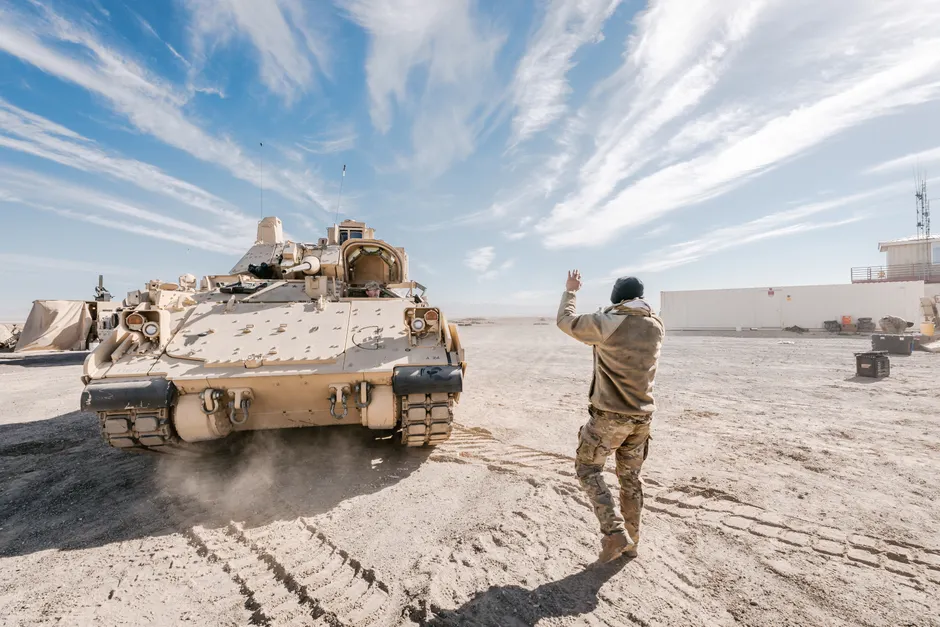
The US-Iran War Expands: Strikes, Casualties, and Regional Escalation in July 2026
Iran's state news agency reported on July 30, 2026, that an IRGC strike destroyed three US F-35 fighter jets and killed American troops in Jordan IRNA. The IRGC, or Islamic Revolutionary Guard Corps, is a powerful branch of Iran's military that reports directly to the country's supreme leader. The same day, IRNA said a US missile hit a home on Iran's Qeshm Island, killing a child and his parents and wounding his two siblings IRNA.
These strikes are part of a wider conflict spanning multiple countries. On July 26, the IRGC released a list of US military assets it said were heavily damaged during 15 days of Iranian operations starting July 8 IRNA. Earlier in July, Iran's Revolutionary Guards said they had targeted US facilities in Gulf states Reuters. Iranian strikes have since hit US embassies and military sites in the UAE, Saudi Arabia, Qatar, Kuwait, Bahrain, and Iraq Britannica. Around July 13, commercial tankers also came under attack in the Strait of Hormuz, the narrow shipping lane at the mouth of the Persian Gulf through which roughly a fifth of the world's oil supply passes Reuters.
US missile strikes inside Iran have also caused casualties. IRNA reported on July 15 that a US missile attack on an Iranian Army base killed seven and injured thirteen IRNA. In the early hours of July 23, the United States attacked two Iranian maritime search and rescue vessels, including one called Naji-15 IRNA. As of July 24, Reuters reported that no US strike on Iran had been carried out for the first time in two weeks Reuters.
The conflict is drawing in other regional players. On July 29, a drone attack sparked a fire aboard two ships at Egypt's Damietta Port. Egypt's Cabinet confirmed the drone attack as the cause, and the death toll climbed to 28 Egyptian Gazette. The Damietta Port Authority said the port was operating normally after the fire was brought under control Egyptian Gazette.
Saudi Arabia has stepped into the conflict directly. The kingdom acknowledged its involvement after conducting joint strikes with US forces on Iran-backed militias in Iraq, which killed at least 20 fighters and six Iranian advisers AP News New York Times. Yet Riyadh also strongly condemned what it called blatant Israeli aggressions against Iran, in an official Saudi Press Agency statement published July 26 SPA. Iran-aligned Houthis, the armed group that controls much of Yemen, announced a naval blockade on Saudi Arabia on July 20, and around July 24 they fired on Saudi oil sites, damaging an oil depot Reuters.
President Trump vowed to punish Iran following the Houthi attacks in the Red Sea, as Reuters reported on July 24 Reuters.
The broader context here is a conflict that has moved well beyond a two-sided US-Iran exchange. Iran is projecting force against American diplomatic and military infrastructure across the Gulf, striking shipping in the Strait of Hormuz, and claiming successful strikes on advanced US aircraft in Jordan. The US is conducting strikes inside Iran against both military and maritime targets. Saudi Arabia's direct participation in joint strikes on Iran-backed militias in Iraq, at the same time as its condemnation of Israeli aggression against Iran, places Riyadh in a precarious position. The kingdom faces a Houthi naval blockade and direct attacks on its energy infrastructure. The drone strike on Damietta Port shows that the conflict's disruption of maritime traffic is reaching the Eastern Mediterranean. The gap between Reuters reporting a pause in US strikes on July 24 and subsequent IRNA accounts of continued US missile attacks on Qeshm Island and earlier Iranian Army bases suggests either a resumption of hostilities or differences in the reporting timeline that warrant close monitoring.