Spain Deploys Military to Ceuta After Thousands Cross From Morocco
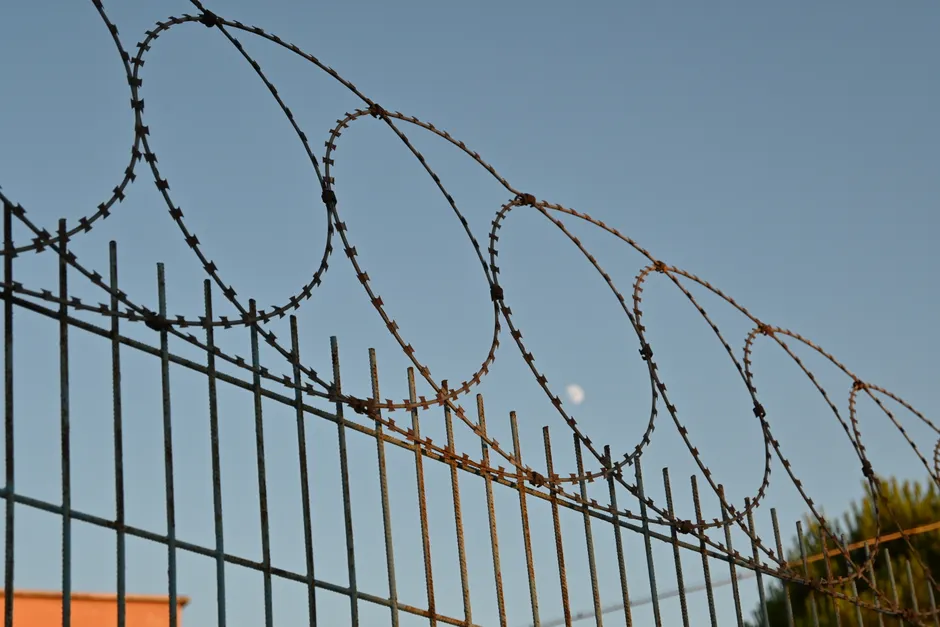
Between 2,000 and 3,000 migrants crossed into Spain's North African exclave of Ceuta from Morocco on foot on July 30, 2026, prompting the Spanish government to announce a military deployment to restore order at the border (Washington Post; Reuters). The migrants crossed via the border breakwater known as the espigón fronterizo, according to Spanish reporting (Heraldo). The majority were Moroccan nationals who entered without authorization, according to Spanish authorities (Chicago Tribune).
The Ceuta regional government had requested that Madrid deploy the army and close the border with Morocco (Reuters). Spain's national government confirmed the military deployment, framing it as a measure to restore order at the frontier (Washington Post; Seattle Times).
The mass crossing did not come without warning. In the week leading up to July 30, approximately 1,500 migrants had already reached Ceuta by swimming around the coastal border (Reuters). The leader of Ceuta's regional government warned of a humanitarian and security emergency on July 30, citing the arrivals (Reuters; Reuters).
These arrivals compound an already elevated trend for the year. According to Spanish ministry figures, nearly 3,000 migrants had entered Ceuta by land or sea in 2026 as of July 15 (Seattle Times). The single-day surge on July 30 effectively doubled that figure in a matter of hours.
Ceuta, a Spanish city on the North African coast, shares a land border with Morocco. The exclave — a territory separated from the country it belongs to — is part of the European Union's external frontier, which gives it strategic significance in European migration management. The border has long been a flashpoint. Spain and Morocco cooperate on border surveillance under bilateral arrangements, and Moroccan authorities have in the past acted to prevent mass crossings. The Spanish government's decision to deploy the military rather than relying solely on the Civil Guard, Spain's national police force that normally patrols borders, signals that the scale of the July 30 crossing overwhelmed routine border-control capacity.
The broader context here matters for understanding what may follow. When Morocco has previously relaxed border enforcement, the result has been rapid surges of migrants into Ceuta and Melilla, Spain's other North African exclave. The most notable precedent came in May 2021, when a diplomatic dispute between Madrid and Rabat led to Moroccan border guards easing controls and roughly 8,000 migrants entered Ceuta over roughly 48 hours. Most were returned under a bilateral readmission arrangement — an agreement between the two countries for sending people back — but the episode exposed how dependent Spanish border security is on Moroccan cooperation.
The composition of the July 30 arrivals is also worth noting. In earlier surges, a substantial share of those crossing were sub-Saharan Africans. A predominantly Moroccan flow raises different legal and diplomatic questions: returns to Morocco of Moroccan nationals are generally less complex than returns of third-country nationals, but the volume involved still presents a logistical challenge for Spanish reception and processing systems.
The military deployment raises questions about the rules of engagement and the legal framework governing soldiers in a civilian border-policing role. Spain's military has been deployed to Ceuta during previous border surges, but each deployment requires specific authorization and operates under constraints distinct from those applied to the Civil Guard.
Spain's response will be watched in Brussels. The EU has funded border-management infrastructure in Ceuta and Melilla and has a vested interest in the stability of the southern frontier. A sustained breakdown at the Ceuta border would put pressure on EU institutions to respond, whether through Frontex deployment, additional funding, or diplomatic engagement with Rabat. Frontex is the EU's collective border and coast guard agency, which can assist member states at their request. Spain's management of its southern border carries weight for the EU's broader migration posture.
The Ceuta leader's warning of a humanitarian emergency points to a second dimension. Reception capacity on the exclave is limited; Ceuta is a small territory with constrained infrastructure for housing and processing large numbers of arrivals. Even if returns proceed quickly under the bilateral framework with Morocco, the interim period creates real pressure on local resources.
What remains unclear is the role Moroccan authorities played in the lead-up to the July 30 crossing. The mass entry via the breakwater suggests a breach or an easing of physical and personnel barriers at a specific point. Whether this resulted from an operational failure on the Moroccan side, a deliberate policy signal, or simple overwhelming of Moroccan border positions has not been stated by Spanish authorities. That question will shape the diplomatic response, which has historically been the decisive factor in resolving such surges.