OPPO's Bubble Accessory: A Circular Display That Turns Your Phone's Rear Camera Into a Selfie Tool

OPPO's Bubble Accessory: A Circular Display That Turns Your Phone's Rear Camera Into a Selfie Tool
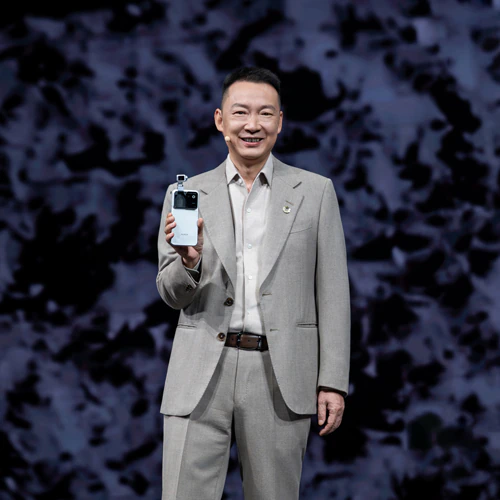
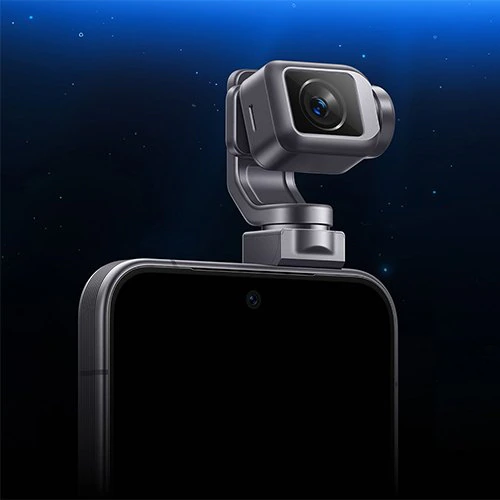
OPPO has launched the Bubble Trendy Selfie Screen accessory in China, unveiled alongside its Reno16 series. It is a small circular display that attaches magnetically to the back of compatible smartphones. Its main job: show you a live preview of your phone's rear camera so you can frame and shoot selfies using your phone's best camera instead of the lower-quality front-facing one.
The accessory sticks to the back of your phone via magnets — the same principle Apple uses with MagSafe — and lets you control the camera remotely. Beyond photography, the round display can show animated and static wallpapers, turning your phone's back into a secondary screen when you are not taking photos.
How It Works and What Phones Support It
Most smartphones have a trade-off baked into their design: the front camera is small and basic (low resolution, simpler lens) because of the need to keep the phone thin and affordable. The rear camera, though, is where manufacturers invest real engineering — bigger sensors, wider apertures, smarter processing. This is why a rear camera photo typically looks noticeably better than a front-facing selfie.
The Bubble solves this awkward gap. By giving you a live preview on the back of the phone, you can frame your shot using the rear camera without guessing. The magnetic mounting means you can snap it on when you want to take photos and remove it for everyday use.
OPPO has indicated the device supports remote control features beyond just a shutter button — gestures and timers are likely possibilities, though specific details have not been announced. The company has experimented with gesture recognition in earlier products like the Reno4, which suggests this technology could find its way into the Bubble ecosystem.
The Bigger Picture: Accessories as a Strategy
OPPO did not launch the Bubble in isolation. The announcement came as part of a broader rollout that included the Reno16 phones, a Pad 6 tablet, and Enco Air 5s earbuds. This multi-product launch shows how OPPO is thinking about accessories — not as afterthoughts, but as core parts of how a device ecosystem works.
The company has been investing in phone accessories for some time. Earlier, OPPO released a 3-in-1 magnetic selfie stick, also aimed at photography. The pattern is clear: stronger cameras and smarter imaging tools across both phones and add-ons.
We have seen this kind of strategy before, actually. In the instant camera era, Polaroid built an ecosystem around a core device — accessories that made that device more useful and appealed to people's creative instincts. The difference today is that modern magnets and wireless communication mean accessories can pair with your phone seamlessly, which older accessory makers could never quite achieve.
What Makes This Compelling
In this author's view, the Bubble is worth attention not because it is flashy, but because it addresses a real problem that has been around for over a decade. Phone makers have tolerated weak front cameras because they prioritize thinness and cost control. OPPO's approach sidesteps that entirely — why redesign the phone when you can make the rear camera accessible for selfies.
The magnetic design also solves a practical headache. Previous attempts to tackle this problem either required permanent modifications to the phone or added bulk that made daily use awkward. The Bubble attaches when you need it and comes off when you don't. That simplicity matters.
Who Would Actually Use This
Content creators and social media enthusiasts are the obvious audience. Anyone who takes a lot of selfies or group photos would benefit from the rear camera's quality and the remote control during solo shoots — allowing for better framing and timing without having to hold the phone at arm's length.
The secondary display adds a decorative dimension — a customizable screen for your phone's back — but this is more of a nice-to-have than a core draw. The real value is in photography.
What Happens Next
The Bubble is launching in China first. Whether it makes its way to broader markets will depend partly on how Chinese consumers respond, and partly on whether OPPO sees enough demand to justify the logistics of a global rollout.
The launch timing alongside the Reno16 series is worth noting. It suggests OPPO sees accessories as part of how it positions new phones, not as optional add-ons. If the Bubble gains traction, other phone makers may follow suit — the technical building blocks (a small display, magnets, wireless communication) are straightforward enough that competitors could move quickly if they want to.
The broader question is whether this points toward a future where phone accessories become more integrated with how we actually use our phones. The Bubble is modest in scope, but it is solving a real gap in how current phone cameras work. That is worth watching.