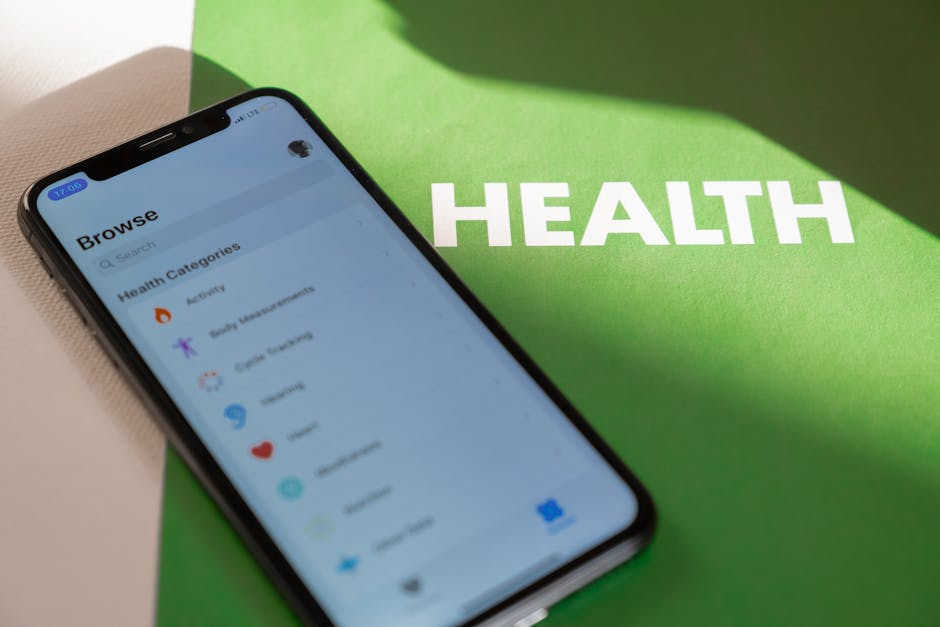
Google Completes Fitbit Overhaul With New Health API and AI Coaching

Google Completes Fitbit Overhaul With New Health API and AI Coaching
Google has launched the Google Health API as the replacement for the older Fitbit Web API, finishing a multi-year process that started when Google bought Fitbit for $2.1 billion in 2021. The new API was built from scratch using Google's infrastructure, and it's meant to be more stable and reliable for companies that build apps and services around fitness and health data.
At the same time, Google rebranded the Fitbit app as the Google Health app and added new features powered by Gemini, Google's AI system. A premium subscription—roughly €9 per month—gives users access to AI-powered coaching. Google also released the Fitbit Air, a $100 wearable device without a screen, designed to compete with subscription fitness services like Whoop, which has over 2.5 million users and is valued at more than $10 billion.
What the API Change Means
The Google Health API is how third-party developers and companies get access to fitness and health data from Google's ecosystem. According to Google's support documentation, the platform was completely rebuilt on Google's infrastructure, replacing the older Fitbit system that handled these data requests.
For developers building apps and services, this transition has real consequences. Google is recommending that companies hold off on launching new integrations until late May 2026, which suggests the platform is still being tested and refined. Also, anyone with an old Fitbit account won't be able to use the new Google Health API—they'll have to move to a Google Account instead.
This kind of integration is a pattern we have seen before. When Google bought Android back in 2005, it gradually moved Android's systems into Google's larger cloud infrastructure while keeping the Android brand. The same thing is happening here: the Fitbit name stays, but the technical backbone becomes part of Google's ecosystem.
Moving From Fitbit Accounts to Google Accounts
Starting May 19th, anyone with a Fitbit account will need to switch to a Google Account to use the Google Health app. Google's documentation explains that if your Fitbit device is connected to an older Fitbit account rather than a Google Account, you'll need to migrate to keep using the app.
This move goes beyond just the mobile app. The broader Google Health system now syncs data from Fitbit devices, Google's Pixel Watch, third-party fitness apps, and medical records in some countries. Think of it as creating a single hub where all your health data lives—wearables, your phone, and healthcare records all flow into one place.
How the AI Coaching Works
The Google Health app's paid tier includes Google Health Coach, which uses Gemini to give personalized advice on fitness, sleep, and overall health. The system learns from your data and goals, then creates workout plans and sleep goals tailored to you. It adjusts as you make progress.
Premium subscribers can ask the coach questions in natural conversation, get proactive alerts, get adaptive training plans, and log their activities in multiple ways. The system can design custom workout routines for weight loss, building muscle, improving heart health, or forming new habits.
This is part of a bigger pattern at Google: embedding Gemini AI across many products—Search, Gmail, Google Workspace, and now fitness coaching. The company is using AI to make its services more personalized and useful.
The New Hardware Device
The Fitbit Air is a screenless wearable priced at $100. Unlike a smartwatch, it doesn't have a display or apps. Instead, it focuses on collecting health data—heart rate, sleep, activity—and sending it to the app where the AI coach analyzes it. This mirrors how subscription streaming services and software-as-a-service companies work: affordable hardware paired with ongoing subscription revenue.
What this signals is that Google now has multiple devices for different needs and price points. The Pixel Watch works as a full smartwatch. Traditional Fitbit devices are mainstream fitness trackers in the middle price range. The Fitbit Air is a dedicated device for serious fitness tracking on a budget. This lets Google compete in different markets simultaneously: against Apple Watch at the premium end, regular fitness trackers in the middle, and specialized subscription services like Whoop at the lower price point.
What This Consolidation Enables
Merging Fitbit's user base and developer ecosystem into Google's health platform opens up possibilities beyond just fitness tracking. Linking health data with Google Search, Google Calendar, and your location data could help the system give smarter health insights and coaching recommendations—imagine your coach understanding not just your workout data but also your calendar and travel patterns.
For hospitals, clinics, and other healthcare providers, the unified API makes it simpler to connect to Google's health platform and benefit from Google's cloud infrastructure at scale. The medical records feature, available in select countries, suggests Google wants to position this as a complete personal health hub, not just a fitness app.
There's also a practical benefit for Google itself: maintaining two separate systems costs money and engineering time. By consolidating, Google can focus on building and improving AI features rather than maintaining old infrastructure. We saw the same thing with Android—once Google finished integrating the systems, the company could move much faster.
The broader context here is that acquisitions in health technology present real challenges around moving user data and maintaining access. How smoothly Google manages this Fitbit transition will likely shape how the company approaches future health-related acquisitions. For anyone building on top of health APIs, this is a reminder that relying on a single platform can carry risks, and having a plan to move your data matters.
Key Takeaways
- Google replaced the older Fitbit API with a new Google Health API built on Google's infrastructure, simplifying how third-party apps access fitness and health data.
- All Fitbit users must migrate to Google Accounts by mid-May 2026 to keep using the app.
- The Google Health app now includes AI-powered coaching—personalized fitness plans, sleep guidance, and adaptive recommendations—available through a €9/month subscription.
- Google released the Fitbit Air, a $100 screenless device designed to compete with subscription fitness platforms like Whoop.
- The consolidation positions Google to compete across multiple wearable and fitness segments, from premium smartwatches to budget-friendly dedicated trackers.