Moroccan Rapper Mehdi El Youbi Released Pending Trial — What to Know
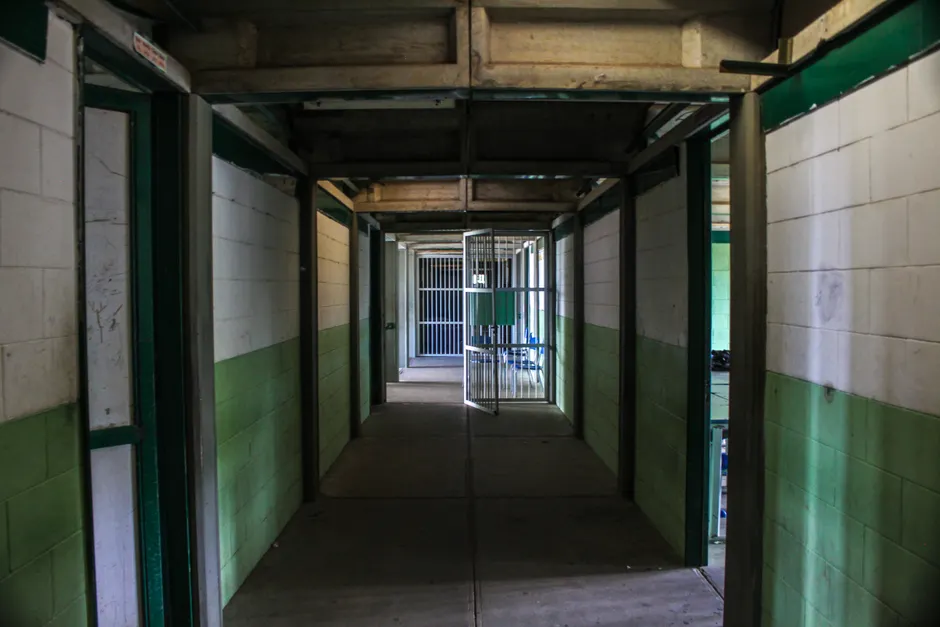
Moroccan rapper and filmmaker Mehdi El Youbi was granted provisional release from Oukacha Prison in Casablanca on 1 August 2026, after 18 days in detention. A judge approved the release request the same day, according to a statement from a group of his supporters shared with Al Jazeera. His next court hearing is scheduled for 2 October 2026.
El Youbi, known by his stage name Mehdi Black Wind, is being prosecuted under Article 179 of the Moroccan Penal Code for "insulting a constitutional institution." The charge carries a potential sentence of six months to two years in prison and a fine between 20,000 and 200,000 Moroccan dirhams ($2,150 to $21,500). His supporters believe the arrest was linked to his artistic views and social media posts.
The events leading to his detention began on 13 July 2026, when he was arrested in Casablanca on a Monday night after being questioned by Morocco's National Brigade, according to ABC News Australia and Al Jazeera. He had been held at Oukacha Prison since 15 July 2026. The arrest came days after he was barred from returning to France, where he had been based since 2017.
El Youbi appeared before the judge on 1 August without legal representation, because lawyers in Morocco were on strike. The proceedings went ahead regardless, and the judge granted his request for provisional release — meaning he can remain free while the case is pending, rather than staying in prison.
The Paris-based International Federation for Human Rights (FIDH) described El Youbi's detention as arbitrary and characterized his prosecution as judicial harassment of a filmmaker, in a statement published on 29 July 2026 (FIDH). The organization's intervention placed El Youbi's case within a broader pattern of legal action against Moroccan artists and dissidents whose work touches on politically sensitive subjects.
El Youbi rose to prominence in Morocco and across North Africa in the early 2010s as a rapper and filmmaker. His work has drawn audiences across the region, and his decision to base himself in France since 2017 placed him outside the immediate reach of Moroccan authorities until his return to the country this summer.
The broader context here matters. El Youbi's case does not exist in isolation. According to his supporters, 600 people remain in detention since Autumn 2025, with some sentences as long as 15 years in prison. The Moroccan Association for Human Rights reported in October 2025 that 600 people had been held for participating in protests. Those figures, cited by El Youbi's supporters, suggest that the Moroccan judicial system has been processing a substantial volume of protest-related cases over the past year.
Article 179 of the Moroccan Penal Code, which criminalizes "insulting a constitutional institution," has drawn repeated criticism from domestic and international rights organizations. The provision covers insults directed at the monarchy, the judiciary, and other constitutional bodies, and has been applied in cases involving journalists, activists, and artists whose public statements or creative work is deemed to cross legal thresholds. Critics argue the statute's breadth allows for selective prosecution of dissent. Moroccan authorities maintain that the law applies equally regardless of the defendant's profession or public profile.
El Youbi's provisional release does not conclude the proceedings against him. It permits him to remain free pending his 2 October hearing, where the case will continue under Article 179. The outcome of that hearing will determine whether he faces the full range of potential penalties, including imprisonment and fines, or is acquitted.
The convergence of the lawyers' strike, the FIDH intervention, and the documented scale of protest-related detentions creates a layered picture. El Youbi's case, while individually notable given his public profile, sits alongside hundreds of other cases that have moved through the Moroccan judicial system since late 2025. Whether his release signals any broader shift in approach by Moroccan authorities to protest-related prosecutions, or simply reflects the discretionary nature of provisional release, will become clearer at the October hearing and in the cases that follow.