Valve's White Steam Deck OLED: A New Color, but What Does It Mean for Handheld Gaming?
Valve's White Steam Deck OLED: A New Color, but What Does It Mean for Handheld Gaming?
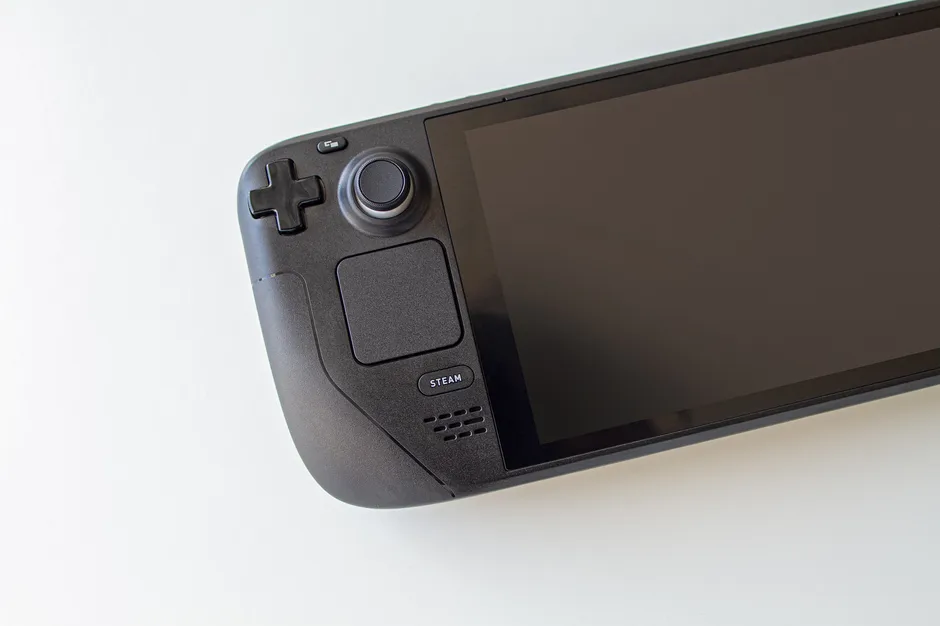
Valve has announced a limited edition white version of the Steam Deck OLED handheld gaming device, set to launch worldwide on November 18, 2024 at 3PM PST for $679 USD. The company already offers the standard OLED model in black at $549 (512GB) and $649 (1TB), so the white variant fills a premium price slot—$30 above the highest-capacity standard model.
This move marks an interesting shift for Valve. The company has long been defined by software and services, not hardware. Yet here it is, building an expanded product line with color variants and storage tiers. For those tracking handheld gaming, the white edition deserves closer attention: it signals how seriously Valve now takes this market.
What's Changed from the Original Steam Deck?
The Steam Deck OLED represents a real upgrade from the first version launched in 2021. The biggest change is the screen: OLED displays are brighter, show deeper blacks, and render colors more vividly than the older LCD technology. They also consume less power, which means longer battery life between charges—something users frequently complained about in the original model.
Storage has grown too. The base model now starts at 512GB instead of 256GB, and a 1TB option exists for players who want multiple large games installed at once. Modern games can easily exceed 50–100GB, so the extra room matters if you don't want to constantly shuffle files around.
The white colorway is purely aesthetic. It doesn't perform better than black; it just looks different. The $30 premium over the standard 1TB model suggests Valve is marketing this as a collector's item for fans willing to pay for a unique appearance.
The Competitive Landscape
Valve isn't alone in handheld gaming anymore. ASUS (ROG Ally), Lenovo (Legion Go), and MSI (Claw) all make rival devices. Each takes a slightly different approach—some prioritize raw processing power, others focus on different operating systems or form factors. Valve's strategy seems focused on display quality and brand loyalty rather than chasing raw performance numbers. The OLED upgrade and limited edition design both work toward that goal.
The timing is also worth noting. Launching before the holiday season suggests Valve is eyeing the gift market. Collectors' editions of electronics have always worked well as premium gifts, and the white color variant taps into that psychology of scarcity and exclusivity. This playbook isn't new—Nintendo used it successfully during the DS era with multiple color releases—but it's relatively fresh for PC gaming hardware, which historically centered on performance specs rather than aesthetics.
Why OLED Matters More Than a Paint Job
OLED technology offers a genuine technical benefit beyond the white paint. OLED screens use individual pixels that generate their own light, so they can turn completely off to show black without any backlight glow. This is particularly useful in games with varied lighting: dark dungeons look truly dark, while bright scenes still pop. The power savings add up, especially during longer play sessions.
Valve's storage strategy reflects a broader industry trend. As game file sizes balloon, manufacturers are pushing baseline storage capacity higher. The 512GB entry point acknowledges that you can't fit many AAA titles in smaller storage anymore; users will either need to swap games in and out or add a microSD card. The 1TB option sidesteps that friction for players who want convenience.
One practical consideration worth mentioning: light-colored electronics show wear more visibly than darker ones. Fingerprints, dust, and scuffs on the analog sticks and buttons will be more noticeable on white than black. For someone planning to carry this device daily or use it intensively, the standard black model may age more gracefully.
How Valve Got Here Faster
Unlike the original Steam Deck, which rolled out slowly across regions due to supply constraints, this limited edition launches globally and simultaneously on day one. That suggests Valve has solved its manufacturing and supply chain problems. Getting different color variants to market at scale requires a certain amount of manufacturing maturity that the company simply didn't have in 2021.
The simultaneous global launch at 3PM PST targets peak U.S. shopping hours while staying reasonable for European time zones. It's a deliberate choice that signals Valve expects strong demand.
Valve hasn't specified exactly how many units will be produced or how long the white model will be available. The "limited edition" label typically means constrained supply, which creates urgency but could also just be a way to test whether customers want color variants before committing to a wider palette.
What This Signals About Handheld Gaming
The broader context here matters. Valve's approach—selling on display quality, design variants, and premium positioning—mirrors how established console makers like Sony and Nintendo think about hardware. It's different from traditional PC gaming, where specifications and raw performance have always dominated the conversation.
The OLED cycle also shows Valve taking an iterative approach rather than betting everything on generational leaps. This mirrors the smartphone industry, where display upgrades, battery improvements, and design tweaks drive purchase cycles between major architectural overhauls.
For game developers, the expanding Steam Deck ecosystem offers a more stable foundation. With consistent hardware across OLED variants, building and optimizing games for the platform becomes more straightforward. A growing user base also justifies dedicating resources to Steam Deck-specific work.
For consumers, Valve's willingness to iterate on hardware and offer design options suggests the company sees handheld gaming as a core business, not an experiment. That kind of commitment typically leads to better long-term support, more games optimized for the platform, and greater confidence that future versions will feel like genuine upgrades.
The Limited Edition White Steam Deck OLED is ultimately a modest announcement: a color change, a price point, a launch date. But it sits within a larger story about how Valve is maturing as a hardware manufacturer and how handheld gaming is evolving beyond the enthusiast margins toward something more like mainstream consumer electronics.


