How Cotopaxi Turns Leftover Fabric into Unique Outdoor Gear

How Cotopaxi Turns Leftover Fabric into Unique Outdoor Gear
Outdoor gear company Cotopaxi has built a manufacturing strategy around using fabric scraps that would normally be thrown away. The company's Del Día Collection transforms these leftover materials—called deadstock—into consumer products at factories in the Philippines' Bataan Province, operated by a partner called Dong In Entech. Every item is made from high-quality fabric remnants that would otherwise end up in landfills.
How the Manufacturing Works
The Del Día Collection runs on what Cotopaxi calls a "scraps to packs" approach. Sewers at the Philippine factories mix leftover fabrics from original manufacturers or retailers to create one-of-a-kind products. Because each fabric batch is limited, no two items are exactly alike—a built-in uniqueness that comes from the material constraints, not from deliberate design variation.
The manufacturing partnership with Dong In Entech means Cotopaxi can apply the same technical standards and production methods it uses for other product lines, even though the input materials vary. The factories handle the complexity of working with different fabric types while ensuring products still perform reliably.
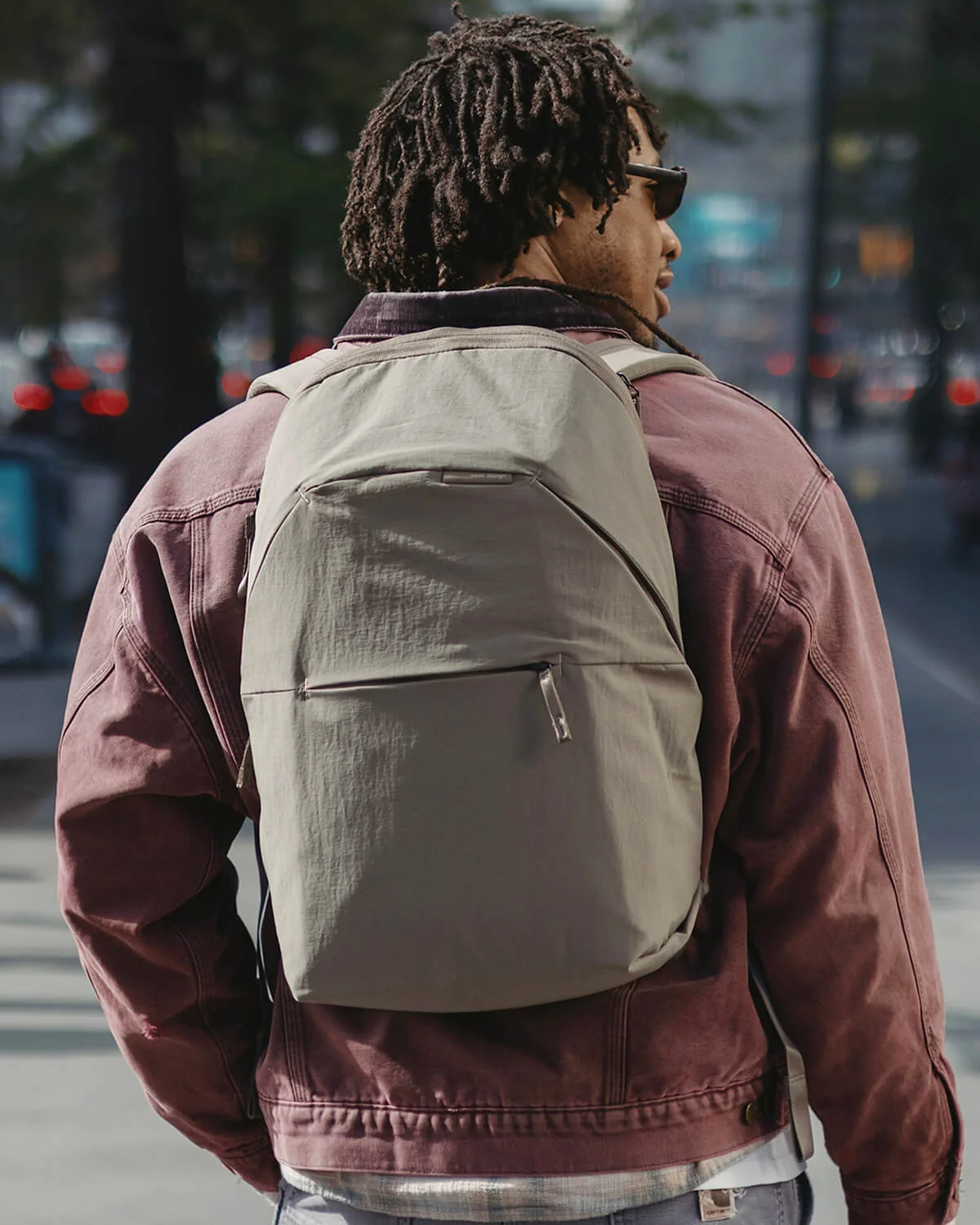
A recent example is the Allpa 35L Travel Pack Del Día Dark, a backpack made from deadstock materials. Despite the variable fabric inputs, it includes standard features like air mesh shoulder straps for weight distribution, an exterior stretch water bottle pocket, and a luggage pass-through strap that works with roller bags. UK Cotopaxi lists the pack at £205.00.
Sustainability Beyond the Del Día Line
The deadstock approach is part of a broader materials strategy at Cotopaxi. The company uses recycled materials across jackets, fleece, bags, and activewear. Down insulation comes from certified sources, and many items are made in Fair Trade Certified facilities.
Cotopaxi's parent company, Global Uprising, operates as a public benefit corporation—a legal structure that requires companies to balance profit with social and environmental goals. Cotopaxi directs 1% of annual revenue to the Cotopaxi Foundation, a nonprofit, and passes 100% of customer donations to the foundation each month.
We have seen this pattern before: in the 1990s, flooring company Interface pioneered an initiative called Mission Zero, showing that manufacturers could restructure operations around eliminating waste while keeping products performing well. What differs with Cotopaxi is the consumer-facing approach—the company markets the variability itself as a feature rather than treating it as a constraint to hide.
Real Challenges in Making This Work
Manufacturing from deadstock fabric introduces operational difficulties that traditional production runs don't face. Each fabric batch must be checked individually to see if it works for a given product. Production planning has to adapt to unpredictable material availability—you can't assume a fabric will be in stock when you need it.
Quality control becomes more complex too. Workers must maintain consistent product performance even when the underlying materials differ. The fact that no two products are identical also makes inventory management harder. Traditional forecasting—predicting how many of each item to make—breaks down when you can't replicate a particular product again, so factories need different planning methods.
How Cotopaxi Sells This to Customers
Cotopaxi treats the unpredictability of deadstock manufacturing as a selling point, marketing each Del Día item as unique while promising the same functional performance. This requires customers to understand and value the environmental upside of diverting waste—a different way of thinking than the traditional preference for consistency across products.
The company backs this positioning with a Guaranteed for Good program that offers lifetime warranty and repair services, addressing concerns that using varied materials might affect durability. Free shipping on orders over $99 is standard for the outdoor gear industry.
The wider industry is shifting how it talks about sustainability and outdoor gear. Rather than treating environmental responsibility as something separate from product quality, Cotopaxi has woven waste reduction into the product's identity. This works only if customers accept variability as a positive trait—a change in mindset from what outdoor companies traditionally emphasized.
What This Might Mean for the Industry
The Del Día model shows that deadstock manufacturing can work at meaningful scale within technical outdoor gear, and the approach might apply to other industries with similar waste streams. The partnership with Dong In Entech demonstrates how existing manufacturers can adapt their processes to handle variable inputs while keeping quality standards intact.
The transparency around foundation contributions and donation flows also sets a model for other benefit corporations trying to show the real impact they claim. Publishing both company impact reports and foundation annual reports gives visibility into operations—something many corporate sustainability efforts do not do.
The technical success here—producing reliable products from inconsistent materials—could have ripple effects across outdoor manufacturing. If other companies see that variable-material production works at consumer scale, it could change how the industry approaches waste reduction more broadly. The balance between waste diversion and consumer expectations for product consistency has been hard to strike at scale; Cotopaxi's approach offers one working path forward.