Samsung Bans Smart TV Apps That Quietly Share Your Internet With Strangers
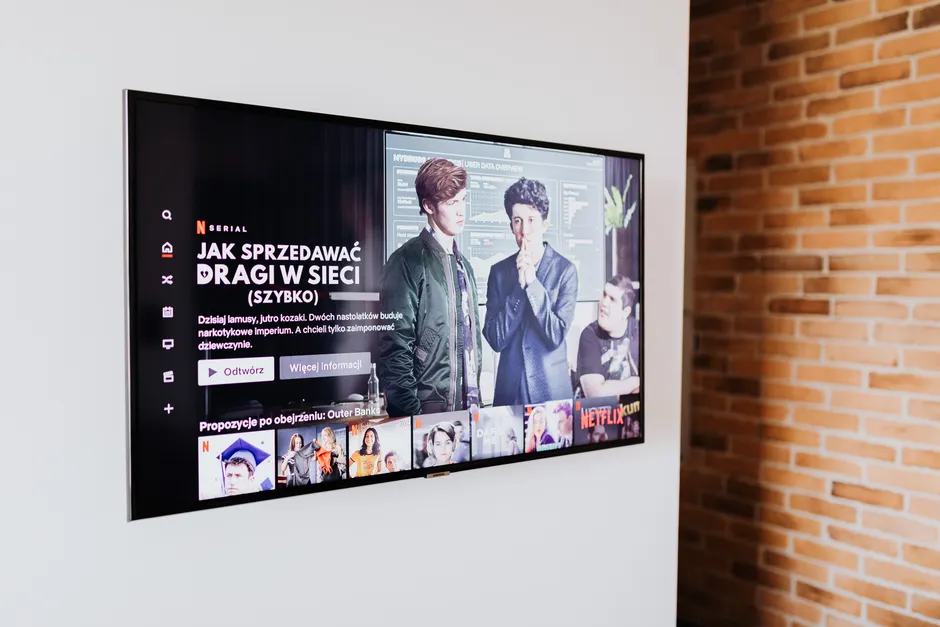
Samsung has banned smart TV apps that share users' internet connections through residential proxy networks and will remove existing apps containing that functionality from its store. The company said it has already stopped accepting new app submissions that include proxy capabilities on its Smart TV platform and is rolling out developer policies that explicitly prohibit residential proxy SDKs (software development kits that let an app route other people's internet traffic through the host device). Samsung is also working to identify and remove all apps already in its store that contain these components. The ban was first reported by TechCrunch on August 3, 2026.
The move follows security research from Norwegian cybersecurity company Mnemonic, which described a combination of problems allowing low-quality apps with risky code to spread across Samsung's app store. Harrison Sand, an offensive security consultant at Mnemonic, said of the smart TV apps: "What was reviewed is not necessarily what is running." In other words, the code Samsung inspects when an app is submitted may differ from what actually executes on devices in people's homes, whether through remote configuration, dynamic code loading, or post-approval updates that bypass review.
The scale of the problem is significant. Security firm Spur scanned 6,038 LG and Samsung smart TV apps and found 2,058 contained residential proxy SDKs, according to research published in June 2026. Spur found that 26.5% of Samsung Tizen smart TV apps contained residential proxy SDKs, while 42.5% of LG smart TV apps had the same functionality, as ZDNet reported. Bright Data accounted for a majority of the residential proxy SDKs found across both Samsung and LG apps, KrebsOnSecurity reported.
Some Samsung smart TV apps containing resproxy code claim to have been installed on hundreds of millions of smart TVs, according to their developers. At least one affected app was a Pac-Man game that Samsung had endorsed and featured in its Editor's Choice section. Apps with resproxy code can turn a smart TV into an always-on exit node, funneling web traffic for outsiders through the device even when the app is no longer open. The TV effectively becomes a relay point for unknown third parties' network traffic, with the homeowner's IP address serving as the apparent origin.
Samsung is the second major TV manufacturer to take action against residential proxy apps this summer. LG said in July 2026 it would ban apps containing resproxy software after reporting found around 42% of apps on its app store enrolled a smart TV into a proxy network. Samsung has led the global TV market in sales since 2006, with 2025 marking its 20th year in the top position, per the company's own investor reporting.
The scope extends beyond televisions. Resproxy code has been found in consumer phone apps, digital photo frames, and Android streaming boxes, all of which share the device's internet connection with proxy network operators.
Residential proxies themselves occupy a contested space. They are not inherently illegal; some are used to evade censorship, and AI companies increasingly rely on them to scrape data for training models. At the same time, cybersecurity companies say residential proxies have gained a reputation for enabling hackers and intelligence services to carry out cyberattacks and data breaches while obscuring their activity. The same characteristics that make these networks useful for legitimate data collection and censorship circumvention — anonymity and distributed IP origin — also make them attractive for malicious use.
What makes the smart TV vector distinctive is the combination of user expectations and platform architecture. Consumers do not typically think of their television as a network relay, and the always-on nature of smart TVs means the proxy can operate continuously without the user ever opening the app in question. The Tizen and webOS app review processes, as Mnemonic's research suggests, were not designed to catch SDKs that quietly exfiltrate bandwidth. When a Pac-Man game can double as an exit node for traffic spanning potentially illegal activity, the gap between what an app appears to do and what it actually does becomes a consumer safety issue, not merely a platform hygiene one.
Samsung's response, banning the SDKs outright rather than attempting to regulate their use, mirrors LG's approach and suggests the industry is converging on a zero-tolerance posture. Given that more than a quarter of Samsung Tizen apps and over 40% of LG apps in Spur's scan contained proxy functionality, the removal process will be consequential. Whether Samsung can fully purge existing apps from devices already in living rooms, as opposed to its store, is a separate question the company has not publicly addressed. The platform-wide developer policy ban is a forward-looking measure; the installed base is the harder problem.
The broader context here is one we have seen before in platform after platform, from early mobile app stores to browser extensions. A marketplace grows quickly, review processes designed for a smaller scale fail to keep pace, and opportunistic code slips through. Samsung and LG are now catching up, but the lag between detection and action means millions of devices have been quietly acting as proxy nodes for months or longer. The ban is the right call. The open question is whether the companies can actually reach devices already in the field, or whether this cleanup will remain, for now, a store-level measure.


