Nikkei Drops 1.4% as Chip and Auto Stocks Lead the Way Down
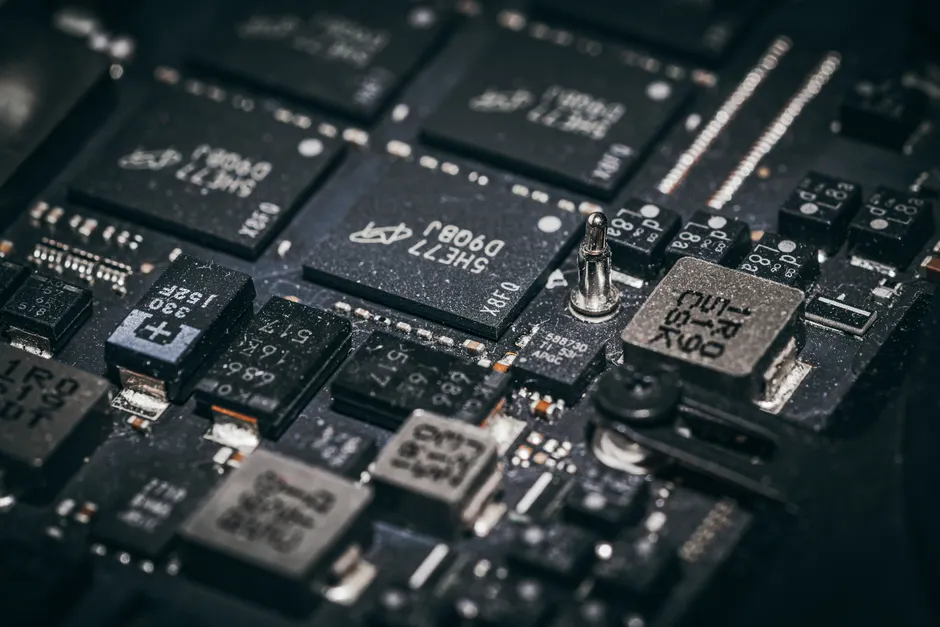
Japan's Nikkei 225 fell 1.4% on August 3, 2026, with electronics and auto stocks dragging the index lower, The Wall Street Journal reported. The drop caps a volatile two-week stretch in which the index swung between gains driven by semiconductor and electronics names and sharp reversals in the same sectors.
The prior session told a different story. On August 2, the Nikkei slid 0.94% to 63,754.9, while the broader Topix lost over 1% to close at 3,960.03, CNBC reported. Australia's S&P/ASX 200 managed a 0.47% gain, closing at 9,019.3 on the same day.
Tracing the index's path through July reveals the whipsaw. The Nikkei rose 1.3% on July 22, led by chip and metals stocks, The Wall Street Journal reported. A day earlier, European equities had fallen in opening trade as a technology rally stumbled; Santander shed 0.4% after earnings. The Nikkei then rose 0.6% on July 23, again led by chip stocks, The Wall Street Journal reported, before gaining 0.4% on July 30 with electronics leading. Earlier in the month, the index had climbed 1.5% to 69,744.07 on July 3, Fortune reported, with chipmaker Tokyo Electron up 0.4% and memory maker Kioxia jumping 9.2% in Tokyo trading.
The pattern is clear: semiconductor and electronics stocks have been the main engine behind the Nikkei's swings throughout July, amplifying moves in both directions. When chip stocks catch a bid — meaning buyers step in — the index follows. When they sell off, the index goes with them.
U.S. stocks settled higher on August 1 amid what was described as a violent chip-stock unwind, according to The Wall Street Journal. Tech stocks struggled broadly through July 2026, the same source noted. The apparent divergence — U.S. indices finishing green while semiconductor names underwent a forced sell-off — suggests the decline in chips was offset by strength elsewhere in the U.S. market, even as the tremor carried over to Asian electronics-exposed stocks in subsequent sessions.
The August 3 selloff in Tokyo also coincided with a sharp pullback in crude oil. European energy stocks opened lower as Brent crude fell 5.2% to $83.41 a barrel and WTI dropped 3.3% to $73.94, The Wall Street Journal reported. A 5.2% single-session decline in Brent is a meaningful move for an energy sector already dealing with demand-side uncertainty, and it adds to the risk-off mood for commodity-exposed stocks across Asia and Europe.
The auto sector's role in the Nikkei's August 3 decline adds a second pressure point distinct from the semiconductor cycle. Japanese automakers carry heavy weight in the index — meaning their share price moves have an outsized effect on the Nikkei's overall level — and their drag on a day when electronics also sold suggests broad-based risk reduction rather than investors simply rotating out of one sector into another.
The broader context here is concentration risk. The Nikkei's July performance was effectively a leveraged play on global semiconductor sentiment, and the early-August reversal shows how quickly that leverage can unwind. A 1.5% gain on July 3 followed by a 1.4% loss on August 3, with multiple 0.4% to 1.3% swings in between, produces an index whose headline volatility number understates the sector-specific turbulence underneath. Think of it like a see-saw with one very heavy rider: the overall tilt looks moderate, but the forces on one side are extreme. For anyone running Japan exposure, the relevant question is not the headline index level but the gap between chip-electronics-auto weightings and the rest of the market.
The oil selloff layer matters here too. Brent at $83.41 after a 5.2% drop is not yet a crisis-level price, but it signals either a growth scare or a supply-side shift that energy-heavy portfolios need to account for. If the crude decline reflects softening demand rather than a temporary supply glut, it reinforces the risk-off narrative already visible in the chip sell-off and the Nikkei's auto-sector drag.
What remains firmly known: the Nikkei closed down 1.4% on August 3, electronics and autos led the decline, oil fell sharply, and the preceding two weeks saw repeated semiconductor-led swings. What is merely priced in: any assumption about the persistence of these moves. The July pattern of chip-led gains was interrupted before; whether August marks a lasting regime shift or another oscillation is not yet distinguishable from the data.


