Sexual Enhancement Products Recalled Over Hidden Drug Ingredients

Sexual Enhancement Products Recalled Over Hidden Drug Ingredients
During the first half of 2026, the FDA found that multiple companies sold sexual enhancement products containing pharmaceutical drugs that were not listed on the label. The agency confirmed the presence of sildenafil and tadalafil—prescription medications used to treat erectile dysfunction—along with flibanserin, a prescription drug for low sexual desire in women. None of these ingredients appeared on the product labels.
Starting in March 2026, companies including Pure Vitamins and Natural Supplements LLC, Gear Isle, and others initiated voluntary recalls. Pure Vitamins pulled three products: Boner Bear Honey, Red Bull Extreme, and Blue Bull Extreme. Each contained undeclared sildenafil and tadalafil, discovered through FDA laboratory testing.
How Widespread Is It?
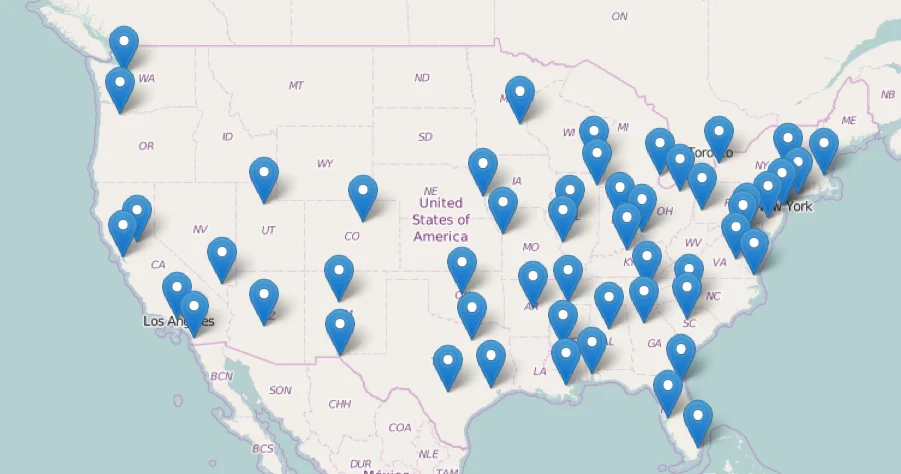
The contamination spans multiple product types and sales channels. Gear Isle recalled two chocolate-based products; JXK Enterprises recalled Boner Bears Chocolate after FDA testing found sildenafil; Lockout Supplements pulled Boner Bears Chocolate Syrup for the same reason. Best Supplements Best Prices recalled WAP Sensual Enhancement Capsules, which contained all three drugs: sildenafil, tadalafil, and flibanserin.
Nalpac, a distributor that did not manufacture the products, also issued a recall for DTF Sexual Chocolate in April 2026. This shows how contamination can spread through the supply chain—from manufacturers to distributors to store shelves.
Some products contained unexpected additional drugs. Boulla LLC's ZoomMax and ZapMax Capsules had sildenafil and diclofenac (a pain reliever similar to ibuprofen). One Source Nutrition's Vitality Capsules contained sildenafil and tadalafil. The presence of diclofenac is particularly concerning because it carries its own health risks separate from sexual enhancement.
Why This Matters
Products with hidden sildenafil or tadalafil pose a serious safety risk to anyone taking nitrate-based heart medications like nitroglycerin. The combination can cause a dangerous and sudden drop in blood pressure.
Flibanserin is normally a prescription drug because it requires medical supervision and careful dosing. When it shows up in dietary supplements without a doctor's knowledge, patients lose that protective oversight. The same applies to diclofenac: consumers expecting a natural supplement would not know they are taking an anti-inflammatory drug with its own warnings about stomach bleeding and heart problems.
The broader context here is that this pattern has occurred before. In the 2000s and early 2010s, the FDA pursued similar cases involving weight-loss supplements that secretly contained prescription drugs. The current recall wave appears to be faster and more coordinated than those earlier enforcement actions, suggesting the FDA's testing methods have improved and can now detect multiple hidden drugs in a single product at once.
What This Reveals About Manufacturing
The sheer number of recalls across different companies raises questions about how these drugs ended up in the products in the first place. Either multiple companies are sourcing from the same contaminated supplier, or the drugs are being added intentionally at some point in manufacturing or distribution.
The fact that distributors are recalling products they did not make suggests the contamination may happen during shipping or storage, or that upstream suppliers—perhaps the manufacturers of the active ingredients themselves—are not properly separating prescription drugs from dietary supplement ingredients.
The FDA's ability to detect multiple hidden drugs in complex formulations at the same time indicates the agency has upgraded its laboratory capabilities. This kind of testing was less common or sophisticated in previous enforcement waves.
What Comes Next
Companies issued these recalls voluntarily rather than waiting for the FDA to force them. This typically happens when companies either work closely with the FDA and quickly comply, or when they recognize that the cost and liability of contamination outweighs the profit from continuing to sell the products.
The concentration of recalls in sexual enhancement products may lead the FDA to step up testing and scrutiny of that entire category going forward. Historical patterns suggest that once the agency identifies a problem in one product segment, enforcement intensity typically increases for months or even years.
For the dietary supplement industry more broadly, the 2026 recalls demonstrate a persistent challenge: maintaining clean manufacturing when facilities handle or source pharmaceutical ingredients. In this author's view, the sophistication of adulterant detection suggests that companies relying on basic quality control—testing for identity and purity—may find themselves inadequately equipped for what regulators now expect. Detecting multiple hidden drugs simultaneously requires analytical tools and expertise beyond what many supplement manufacturers have invested in. The recall activity indicates 2026 may be a turning point for how sexual enhancement products are regulated, with broader implications for other supplement categories where hidden drug contamination has historically been an issue.