Signal Now Lets You Link a Second Phone to Your Account
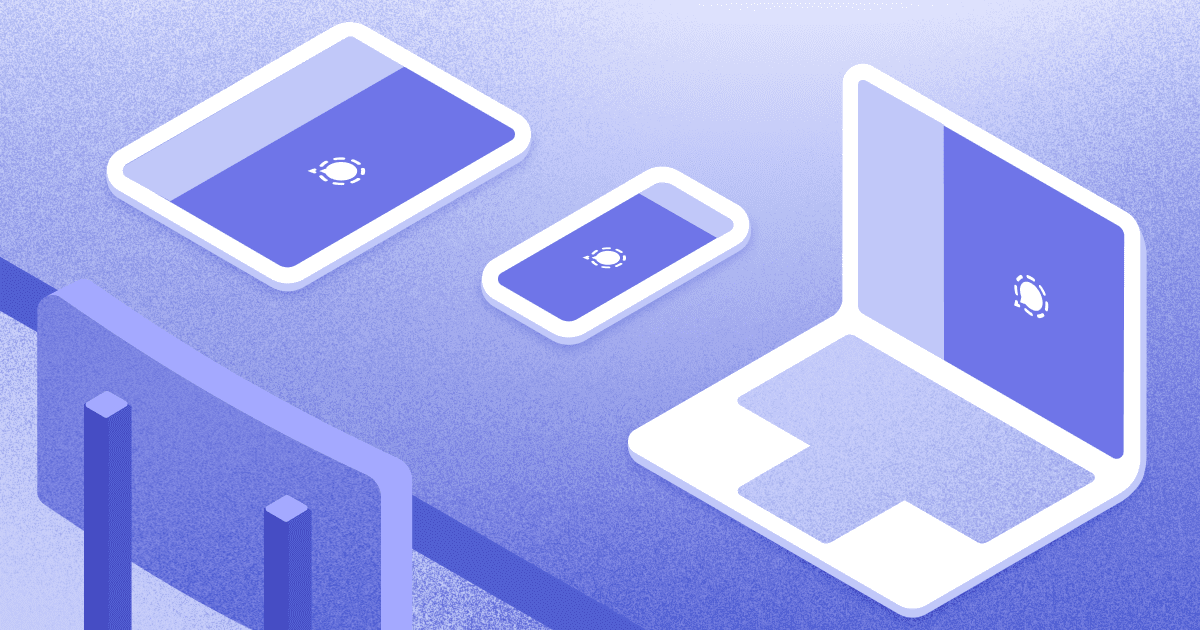
Signal now allows users to link an additional Android phone or iPhone to their account, removing a long-standing restriction that kept primary registration tied to a single mobile device. The update arrived with Signal version 8.20 on Android and version 8.22 on iPhone and iPad, according to The Verge. Signal's official blog post, titled "More linked devices are on the table (and the Android tablet)," confirms the expanded linked-device support.
Until now, Signal's linked-device system let desktop computers and iPads sync with a primary phone, but not additional phones. Users who carried both a personal and work phone, or an Android phone alongside an iPhone, had no way to receive Signal messages on both. That limitation is now lifted for the first time.
When a device is linked, users can read and respond to new messages across all linked devices in real time. Signal lets users choose whether to transfer an end-to-end encrypted copy of their previous message history to each newly linked device. End-to-end encryption means only the sender and recipient can read the messages, not even Signal itself. The opt-in design is aimed at reducing risk from devices that might be shared, lost, or compromised. A user linking a secondary phone they carry less often may prefer to start with an empty message history rather than copy their full conversation archive onto it.
The update also brings Android tablet support, made possible by interface improvements for large-screen devices. Signal made layout changes to better support foldable phones, which in turn made the Android tablet form factor practical. The company acknowledges that the large-screen version of the Android app is still a work in progress, and is separately working on optimizing the interface for its Chromebook app.
Under the hood, the architecture keeps its existing constraints. Signal allows only one phone number registration per mobile device. On a dual-SIM phone, a user must choose a single number to register with Signal. Up to five secondary devices can be linked to the primary registration at a time, per Signal's support documentation. Linkable device types now include desktop, iPad, iPhone, or Android device (tablet or phone), according to Signal's linked-devices support page.
Signal's linked-device model traces back to Signal Desktop, which launched in December 2015 as a Chrome app that linked with a user's phone to provide a single identifier across multiple devices, with all incoming and outgoing messages shared across them. A January 2025 Signal blog post, "A Synchronized Start for Linked Devices," described linking a primary Android or iOS account with a desktop or iPad. The current update extends that same synchronization model to additional phones and Android tablets for the first time.
The expansion also builds on two privacy features Signal has shipped in recent years. Phone number privacy, introduced in February 2024, means a user's phone number is no longer visible to people they chat with unless those people already have it saved in their contacts. Signal Secure Backups, introduced in September 2025, let users save an archive of their conversations in a privacy-preserving form, refreshed daily. Together, these features reduce the exposure that comes with adding more devices to an account.
The security trade-off in linking more devices is straightforward: each linked device becomes a potential point of compromise, and the decision to sync message history to it increases that exposure. Signal's opt-in approach to history transfer gives users control on a per-device basis, which is the right design for a population that may be linking a primary phone, a secondary phone, a tablet, and a desktop simultaneously. The five-device cap provides a reasonable ceiling.
What this practically enables is a Signal experience closer to what users of mainstream messaging platforms have had for years: conversations that follow you across every screen you carry, without giving up end-to-end encryption. A professional who carries a work phone and a personal phone can now maintain a single Signal identity across both. A household with a shared Android tablet can link it for messaging without making it the primary device.
The broader context here is that Signal itself frames the large-screen Android experience as incomplete, and Chromebook optimization is still in progress. Users expecting a polished tablet interface today will likely find rough edges. But the core functionality, linking phones and tablets with encrypted message sync, is live now.
For security-conscious users who have wanted Signal on every device they own, the wait is over, with the reasonable caveat that the tablet experience will continue to mature.