Michael Burry Warns of a Potential 1987-Style Crash — While the S&P 500 Sits at Record Highs
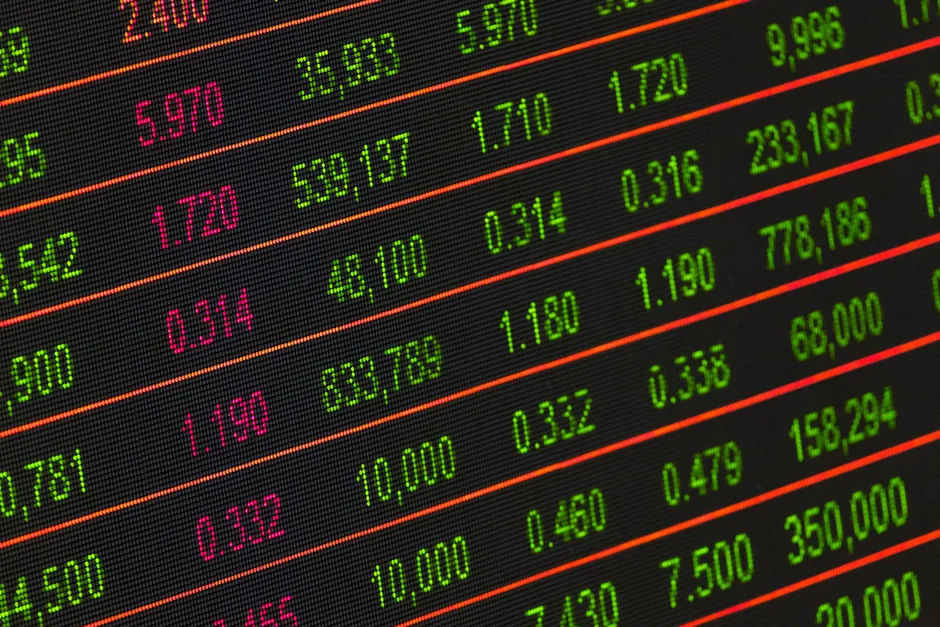
Michael Burry said on August 4, 2026 that the U.S. stock market may be near a major top and could experience a 1987-type fall, according to his official X account (@michaeljburry). The post reads, verbatim: "We are near a major top, and possible a 1987-type fall" (X / @michaeljburry).
The warning landed even as the S&P 500 made new highs (Yahoo Finance). Burry maintained bearish short positions — bets that pay off if stock prices fall — while issuing the call, flagging AI bubble risks alongside the crash comparison (Seeking Alpha).
Burry's X account is titled "Cassandra Unchained" and described as "Official X account for Michael Burry, MD" (X / @michaeljburry). He is known for accurately predicting the 2008 U.S. housing crash (Yahoo Finance, published July 24, 2026).
The 1987 reference is specific. On October 19, 1987, the Dow Jones Industrial Average dropped 22.6% in a single session, the largest one-day percentage decline in the index's history. The crash followed a sustained rally and elevated valuations, and it occurred without a contemporaneous macroeconomic shock to justify the magnitude. Burry's choice of that particular historical parallel carries an implicit thesis: the market structure itself is fragile, and the trigger need not be a fundamental catalyst.
The operative detail is that Burry paired this call with active short positioning rather than merely voicing concern on social media. A warning without capital behind it is commentary; a warning with shorts on the book is a trade. The positions mean he is absorbing carry costs — the ongoing expense of holding a short position open — and mark-to-market losses (paper losses recorded as prices move against him) for as long as equities continue higher, which they have been doing.
The AI bubble angle adds a second dimension. Burry is not simply arguing that valuations are rich across the board but that a specific sector concentration — artificial intelligence — is driving the indices to levels that may not be supported by earnings growth. This matters for index-level risk: if AI-related megacaps, which carry heavy weight in the S&P 500, were to reprice, the cascade effect would be broad precisely because of their index weight, not despite it.
The actionable question for market participants is not whether Burry is right about the timing. Nobody, including Burry, has a reliable model for pinpointing a top. The question is what his positioning signals about tail-risk pricing — the cost and perceived likelihood of extreme, low-probability events. If a contrarian with a track record on systemic dislocations is willing to pay the carry on shorts at new highs, that is a data point about perceived asymmetry in the market, not a directional forecast.
The broader context here is that calls like this are not self-validating. The S&P 500 making new highs even as Burry posts his warning is the market's current verdict: participants are pricing in earnings growth, AI-driven capital expenditure cycles, and monetary policy expectations that, taken together, outweigh the crash-risk narrative for now. That does not make the market right and Burry wrong; it makes the trade uncomfortable on both sides. Shorts face an ongoing adversarial tape — a market moving against them — and longs are accumulating at valuations that one of the most famous bears in modern markets considers dangerously extended.
What is known: Burry posted the warning, he is short, and the index is at highs. What is priced in: continued earnings growth and absent systemic stress. What is unknown: whether the 1987 comparison will prove apt or simply premature. Investors and traders should treat this as one position in a noisy market, not a signal to act on blindly.


