Mitti Labs Raises $9.5M Series A to Cut Water and Methane in Rice Farming
Mitti Labs, a climate-tech startup with offices in New York and Bengaluru, has raised $9.5 million in a Series A round led by Aramco Ventures, the investment arm of Saudi Aramco. The round also included Lightspeed India, Godrej Industries Group, Cisco, Francis Family Fund, and Volta Circle, bringing Mitti Labs' total funding to $12.5 million. That total includes a $3 million seed round closed in July 2024 and backed by Lightspeed, Voyager, and Overview. (TechCrunch)
The investment is Aramco Ventures' first in an Indian startup. Mitti Labs launched its first programs in 2023 and has grown from roughly 8,000 farmers in its first season in 2024 to more than 100,000 farmers this season across several Indian states. The company aims to reach millions of smallholder farmers by 2030. (TechCrunch)
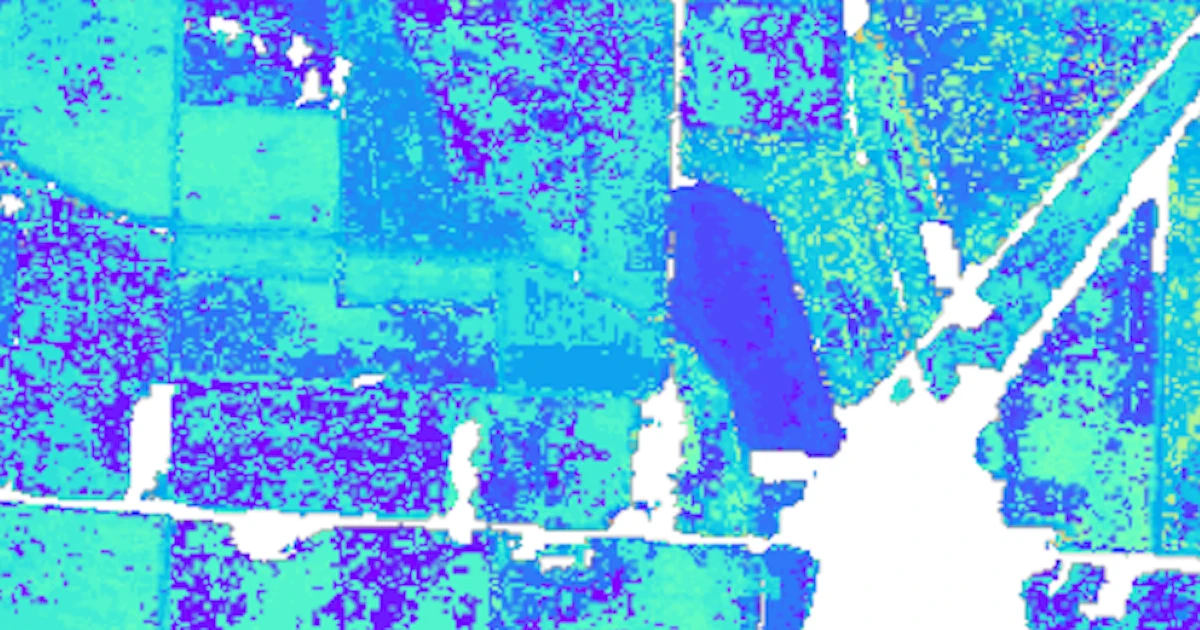
Mitti Labs' core technology is a GeoAI platform — a system that combines satellite imagery, artificial intelligence, and on-the-ground field operations to help farmers reduce water use and methane emissions. The platform uses synthetic aperture radar (SAR), a type of satellite imaging that can see through cloud cover, at resolutions ranging from 50 centimeters to 10 meters. That cloud-piercing capability matters because rice-growing seasons in South and Southeast Asia often coincide with monsoon weather, when ordinary optical satellites are blocked. The company has mapped 10 million hectares of rice fields in India, creating a digital replica covering roughly one-quarter of the country's rice-growing area. (TechCrunch; Carbon Herald)
Rice is the staple food for more than half the world's population, and its cultivation carries a heavy environmental footprint. Rice farming accounts for about 10% of global methane emissions — more than any other crop — and roughly 30% of global freshwater consumption. The main source of agricultural methane from rice is the practice of keeping fields continuously flooded, which creates the oxygen-deprived conditions where methane-producing bacteria thrive. (LinkedIn/Mitti Labs; TechCrunch)
Farmers in Mitti Labs' programs adopt alternate irrigation practices that the company says reduce water use by approximately 40% and methane emissions by more than 50% without affecting yields. That last claim matters: historically, the biggest barrier to getting farmers to adopt water-saving irrigation techniques has been the fear of lower harvests. If the yield-neutral claim holds, it removes the central reason farmers have been reluctant to change. (TechCrunch)
Mitti Labs generates revenue from two streams: carbon credits and licensing of its GeoAI platform. Its customers include carbon marketplace Cool Effect, rice producer Ebro Foods, and agricultural company Syngenta. The partnership with Cool Effect, announced in May 2026, is described as a world-first initiative to permanently reduce methane emissions from rice farming. The company also supports The Nature Conservancy in accelerating climate-smart rice farming and was awarded Phase I of a NASA SBIR Ignite grant ($150,000) in 2024. (TechCrunch; Mitti Labs; PR Newswire)
The company has more than 150 employees, with most of its workforce based in India.
The broader context here is worth flagging. Agricultural methane has received a fraction of the attention directed at energy-sector emissions and industrial carbon, despite rice cultivation alone accounting for more than 8% of human-caused methane. (AgFunder News) The technical challenge is not detecting the problem; it is verifying reductions at the farm level across millions of smallholdings where field conditions vary by plot, season, and water source. Mitti Labs' use of SAR imagery, which sees through cloud cover that would blind optical-only systems, directly addresses one of the hardest constraints in tropical and subtropical agriculture where monsoon seasons overlap with growing cycles.
The carbon-credit revenue model also deserves scrutiny. Voluntary carbon markets — where companies buy credits to offset their own emissions — have faced well-documented integrity questions, and agricultural methane credits are a relatively new instrument. Mitti Labs' dual-revenue structure, combining credits with a licensed software platform, is a hedge: if credit prices fall or verification standards tighten, the GeoAI platform itself still has standalone value as a farming and monitoring tool. The presence of Ebro Foods and Syngenta as customers suggests the platform is already being evaluated beyond carbon accounting for supply-chain and operational use cases.
Scaling from 8,000 to 100,000 farmers in a single year is a steep adoption curve for smallholder agriculture. The question that will matter over the next two to three seasons is whether the yield-neutral and water-reduction claims hold at scale across varied growing conditions, and whether the carbon-credit methodology underpinning the revenue model holds up under independent verification. The NASA SBIR grant and The Nature Conservancy partnership lend institutional credibility, but the proof will be in sustained farmer retention and audited emissions data. For now, the company has capital, a credible technical approach, and a customer base that spans both carbon markets and the agricultural supply chain.