Indian EV Startup River Raises $120M Series C to Scale Beyond a Single Model

Indian electric two-wheeler startup River announced a $120 million Series C funding round on August 5, 2026, bringing its total capital raised to $144 million since its founding in 2021. The round was led by Indian investors Elev8 Venture Partners and Claypond Capital, with participation from Singularity AMC, Anicut Capital, 360 ONE Asset, JIF Capital, and HDFC AMC. Existing backers Yamaha Motor, Al-Futtaim Group, and Mitsui also joined. Less than 10% to 12% of the round was venture debt (a form of loan-based funding rather than equity), and the equity portion was entirely primary capital, meaning fresh money entered the business rather than cashing out earlier investors. (TechCrunch)
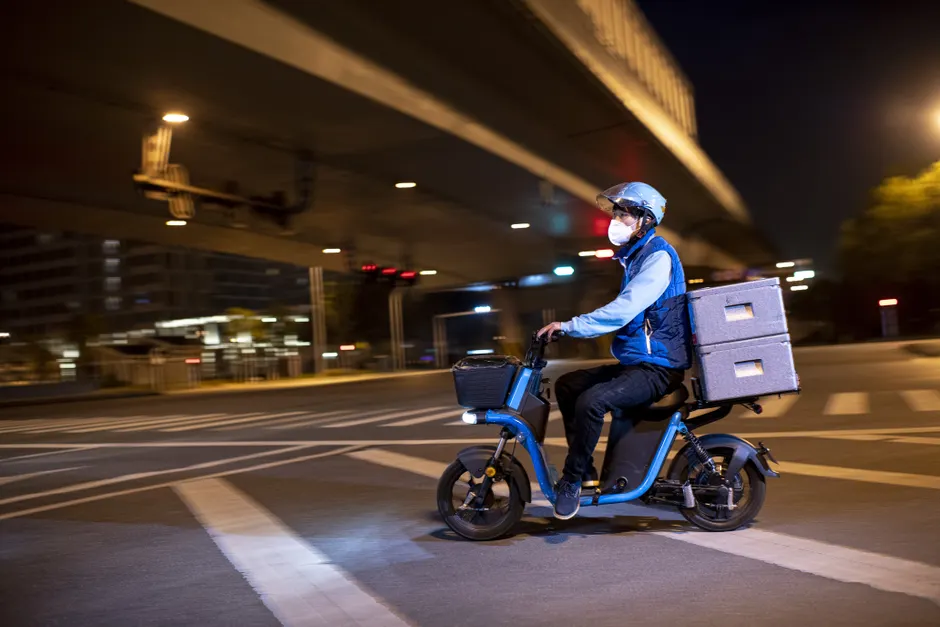
River has built its business around a single vehicle: the Indie, an electric moped launched in 2023 and priced at ₹155,000 (about $1,630) with a claimed range of approximately 99 miles. The company now sells about 6,000 vehicles a month through more than 75 stores across India and has cumulatively sold over 50,000 units. Manufacturing has scaled from 20 vehicles a day to 300 vehicles a day. Revenue grew 330% in the fiscal year ended March 2026, with monthly revenue reaching approximately ₹1 billion (around $11 million). (TechCrunch)
The company's first manufacturing facility, on the outskirts of Bengaluru, can produce about 10,000 vehicles a month following recent upgrades and is nearing full capacity. Construction on a second facility is expected to begin within two months. The first phase is targeted for commissioning by mid-2027, with an annual production capacity of approximately 700,000 to 800,000 vehicles at full build-out. On the retail side, River plans to expand from its current footprint of more than 75 stores to over 200 by March 2027 and roughly 400 by March 2028. Two additional vehicle models are planned starting in 2027. (TechCrunch)
River's CEO Aravind Mani has said the company expects to reach operational profitability once monthly production hits 20,000 to 25,000 vehicles, a target River aims to achieve by fiscal 2028–29. The typical River customer is a self-employed individual aged 28 to 35, a demographic profile that aligns with the Indie's positioning as a utility vehicle for small-business owners and gig-economy workers rather than a premium commuter play. (TechCrunch)
The structure of this round is worth noting. The all-primary, predominantly-equity raise means the $120 million flows into River's operations rather than into founder or early-investor liquidity. At a company that has burned through roughly $24 million in prior funding to reach 50,000 units sold and ₹1 billion in monthly revenue, the Series C capital is sized to fund a substantial capacity step-change: a second factory, a tripling of retail presence, and a multi-model lineup, all before the company expects to turn an operating profit.
The calculus is straightforward but demanding. River's current Bengaluru facility tops out near 10,000 units monthly. The break-even threshold Mani has set requires roughly doubling to tripling that figure. The second facility, even in its first commissioned phase, is designed for an annual capacity that dwarfs current output by more than 50x at full scale. Whether demand tracks that capacity curve is the central question, and River's 330% revenue growth in the most recent fiscal year, while a strong signal, covers a period in which the company was scaling from a low base.
The competitive landscape for Indian electric two-wheelers includes both funded startups and incumbent manufacturers with deep dealer networks and brand equity built over decades. River's strategy of leading with a single utility-focused moped before expanding its lineup mirrors a familiar product-led approach, but the window before the 2027 model expansion leaves the company dependent on one product through a period of aggressive retail and manufacturing buildout.
The participation of Yamaha Motor, Al-Futtaim Group, and Mitsui as returning backers provides industrial and distribution credibility, while the lead investors and new participants in this round are entirely Indian. That funding composition aligns with the broader pattern of domestic capital taking a larger share of later-stage Indian startup rounds, particularly in sectors where the addressable market and regulatory environment are India-specific.
River's path from here is capital-intensive and time-bound. The new factory must be commissioned, the retail network must roughly triple within twelve months, and two new models must enter production in 2027, all while the company sustains revenue growth toward a break-even volume it does not expect to reach until 2028–29. The $120 million provides runway for that sequence. Whether it provides enough is a question the next eighteen months will answer.