S&P 500 Hits Record on Hormuz Reopening Hopes, While Nasdaq Lags on SpaceX and AMD
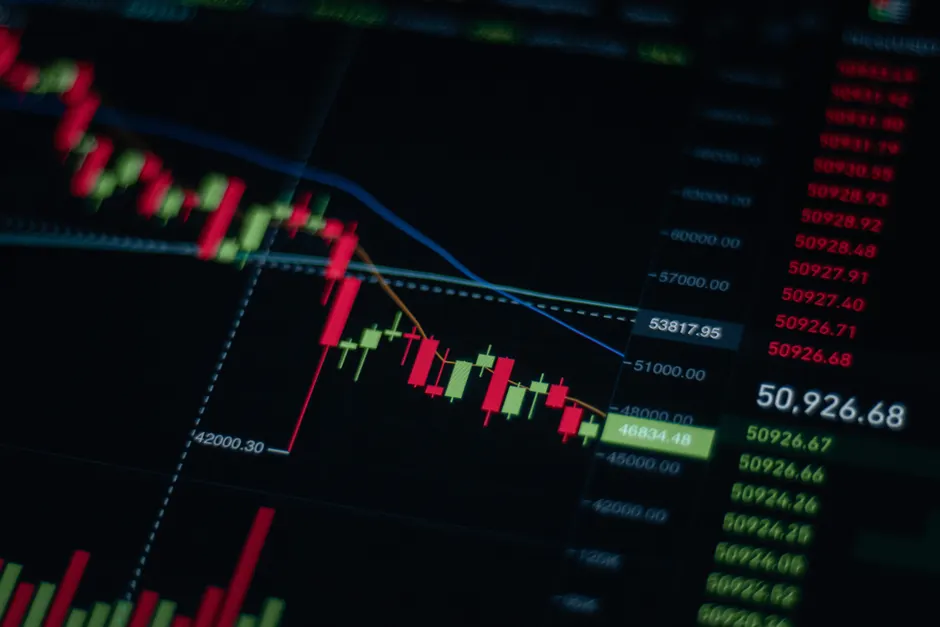
The S&P 500 closed above 7,700 for the first time on August 5, 2026, finishing at 7,742.05 — up 5.53 points, or 0.07% — as news that Iranian and Omani negotiators had finalized a draft deal to reopen the Strait of Hormuz offset a drag from SpaceX and AMD shares on the Nasdaq. The Dow Jones Industrial Average rose 0.83% for the session, posting a record closing high alongside the S&P 500, while the Nasdaq Composite fell 0.49%, losing 129.56 points to close at 26,455.43. (Reuters)
The market move was anchored by a single geopolitical catalyst. Iranian and Omani negotiators finalized the draft agreement to reopen the Strait of Hormuz and were awaiting final approval from Iran's supreme leader, Audacy reported on August 5. President Donald Trump said publicly that a deal could come as early as Wednesday or Thursday. Washington had been aiming for an interim agreement among the US, Iran, and Oman to be announced mid-week. The Strait of Hormuz is a narrow shipping lane through which a significant share of the world's seaborne oil passes. The prospect of restored commercial passage through that chokepoint was enough to lift cyclical stocks (shares of companies whose profits tend to rise and fall with the broader economy) and other sentiment-sensitive names, even before any signing.
This is not the first reopening during the current conflict cycle. Iran confirmed a two-week ceasefire and a limited reopening of the strait on April 7, 2026, as reported by Maritime Executive via the Congressional Research Service. Tehran then announced the full reopening of the Strait of Hormuz to commercial vessels for the remainder of the truce period on the evening of April 17, Wafa reported. Those measures were temporary. The draft agreement now awaiting the supreme leader's approval would presumably extend or formalize that reopening beyond the prior truce window, though the text's specific duration terms are not publicly confirmed.
The Pentagon has been preparing for operational implementation. Secretary of War Pete Hegseth announced "Project Freedom" in a May 5 briefing at the Department of War, an initiative to escort thousands of commercial ships safely through the strait. The Congressional Research Service also published a report on the strait's non-oil shipment flows (CRS R48903), noting that the passage matters for container trade and liquefied natural gas (LNG), not just crude oil.
Sector-level data on August 5 tells a more nuanced story than the headline indexes. The technology sector fell 0.57% and the energy sector fell 1.50%, per Reuters Markets. Energy's decline fits a pattern called de-risking: when a geopolitical threat to oil supply looks likely to ease, the "risk premium" (the extra value investors had priced into oil-related stocks because of the danger) starts to unwind. Tech's drag was more company-specific: declines in SpaceX shares weighed on the Nasdaq, and Reuters Markets noted worries over high valuations in the sector. Gold prices jumped the same session, per Reuters global markets coverage, a divergence from the risk-on move in equities that warrants attention even if a single day's cross-asset signal is not conclusive.
The breadth behind the Dow's record close matters. A 0.83% gain driven by a geopolitical headline is a sentiment move, not an earnings-driven revaluation. The S&P 500's 0.07% advance, while nominally a record, is close enough to flat that the "record high" framing obscures how narrow the leadership was. The Nasdaq's 0.49% loss, dragged by two names, confirms that risk appetite was selective rather than broad-based. For portfolio managers, the relevant question is whether a Hormuz reopening fundamentally changes the earnings outlook for cyclicals and energy, or whether it merely compresses a risk premium that will re-expand the moment the next headline breaks. The draft is awaiting supreme leader approval. Until it is signed, the market is pricing an outcome, not a fact.
Here is the breakdown of what is solid and what is speculative. What is known: a draft deal exists, has been finalized by negotiators, and awaits one signature. What is priced in: a normalization of commercial traffic through Hormuz, a partial unwinding of the energy risk premium, and enough geopolitical de-escalation to push the Dow and S&P 500 to record territory. What is not known: whether the supreme leader approves, what enforcement or verification mechanisms the deal contains, and whether Project Freedom escorts operate alongside or instead of Iranian guarantees. The gap between what is priced and what is signed is where the risk sits.
The broader context here is about durability. Investors should separate the staying power of a Hormuz reopening from the staying power of the market reaction. The April reopening was explicitly time-limited to a truce period. If this agreement follows the same structure, the equity bid may prove as temporary as the last one. The gold rally on the same day suggests at least part of the market is hedging exactly that possibility.


