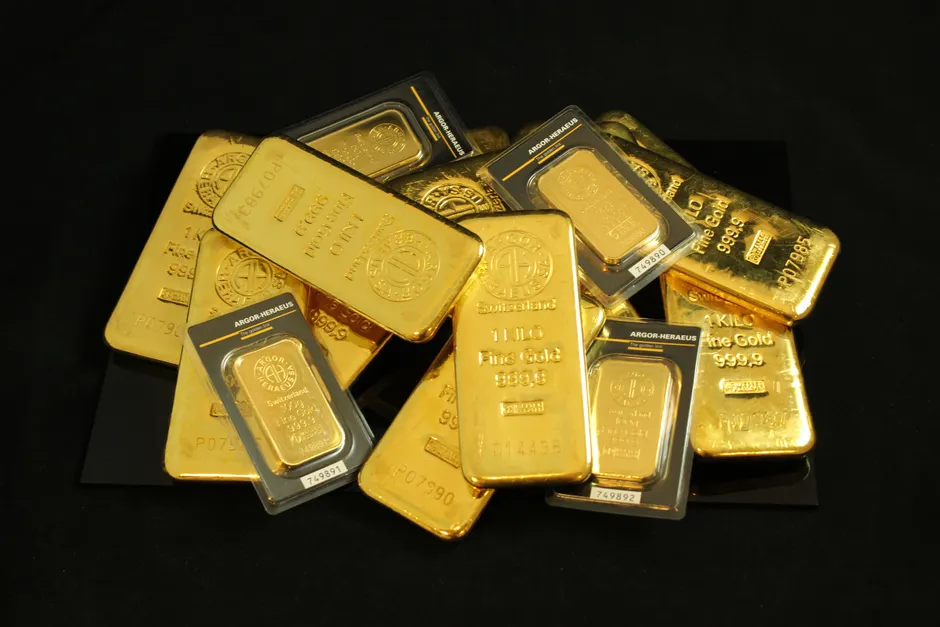
Gold Surges Past $4,250 as Dollar Softens and Traders Eye U.S. Jobs Data
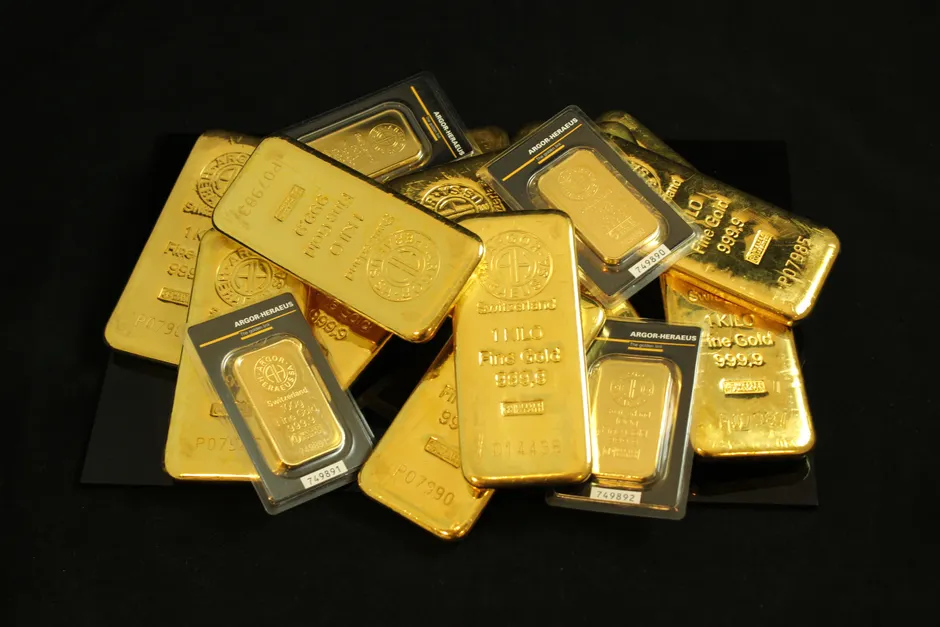
Spot gold climbed 4.4% to $4,253.36 per ounce by 2:15 p.m. ET (1815 GMT) on August 5, 2026, after touching an intraday high of $4,264.93 — its strongest level since June 18. The move extended a rally that began building the prior afternoon, when spot prices rose 0.8% to $4,086.36 and COMEX gold futures (standardized contracts to buy or sell gold at a set price on a future date) settled 1.5% higher at $4,152.60 on August 4. Reuters
The two-day surge reversed a slide seen at the start of the month. On August 3, spot gold fell 0.3% to $4,030.34 per ounce by 2:00 p.m. EDT (1800 GMT), with August gold futures settling 0.4% lower at $4,090. The August 5 close sits roughly $223 above that August 3 intraday level, a 5.5% swing in two sessions. Reuters
Looking further back, spot gold gained 1.7% to $4,145.24 per ounce by 1:35 p.m. EDT (1641 GMT) on July 22, with August futures settling 1.9% higher at $4,151. That mid-July session established a trading band that gold subsequently tested but failed to break decisively until this week's surge carried prices firmly above $4,200. Reuters
The August 5 advance coincided with a softer U.S. dollar and market positioning ahead of incoming American employment data, both of which typically lift gold by lowering its opportunity cost — the return you give up by holding a metal that pays no interest — for international buyers. Reuters
For traders, the pace of the August 5 breakout is the salient feature. A single-session 4.4% gain in spot bullion is an outsized move for gold, which tends to drift incrementally rather than gap sharply unless a discrete macroeconomic shock hits. Intraday price action saw spot metal push to $4,264.93 before paring slightly into the late afternoon, indicating strong buy-side volume met with resistance near the June 18 highs. The settlement above $4,250 effectively clears the consolidation zone established in late July, when prices hovered between $4,030 and $4,151.
The speed of the reversal off the August 3 lows warrants attention from a risk-management standpoint. The failure to hold the $4,030 level on August 3, followed by a decisive upside break of the July 22 range, suggests a shift in order flow rather than a gradual repricing. The August 4 session served as the inflection point, with spot gold recapturing the $4,080 handle while futures led the cash market higher, settling at a $66 premium to the August 3 spot price. When futures lead spot on a closing basis, it often signals derivative-driven demand spilling into the physical market, a dynamic consistent with the gap higher seen on August 5.
Geopolitical uncertainty in the Middle East, alongside the Federal Reserve outlook, remained a thematic backdrop for the complex through July and into August. The August 3 session, which saw spot prices dip to $4,030.34, occurred as market participants navigated shifting geopolitical headlines, specifically reports that President Trump held off on an Iran attack. Reuters The immediate safe-haven bid for bullion reasserted itself the following session, driving the August 4 advance.
From a technical standpoint, the market structure has flipped bullish. Clearing the July 22 high of $4,151.24 in spot was the key level to watch, and the August 5 close at $4,253.36 confirms that breakout. The $4,264.93 intraday high now serves as the immediate upside target, with the previous consolidation zone around $4,145 acting as the first layer of technical support. The August 3 low of $4,030.34 marks the recent swing bottom. The breadth of the two-day rally, encompassing both spot and futures markets, indicates the move is broadly supported rather than driven by a localized dislocation in a single contract month.
The market's focus now turns to the incoming U.S. labor market data. A weaker-than-expected jobs report would likely accelerate the dollar's decline and further reinforce the bullion bid, potentially testing the $4,264.93 intraday high. Conversely, a robust labor market report would tighten the dollar and lift real yields (the interest rate adjusted for inflation), applying downward pressure to the metal.
The broader context here is that gold has absorbed the August 3 geopolitical de-escalation and reasserted its upward trajectory, driven by macroeconomic rate expectations and currency dynamics. The two-day rally reversed what looked like a cooling in safe-haven demand, and the breakout above the July trading band suggests the drivers are structural — tied to dollar direction and Fed expectations — rather than a fleeting reaction to headlines.