U.S. Natural Gas Prices Hold Steady as Storage Surplus Grows
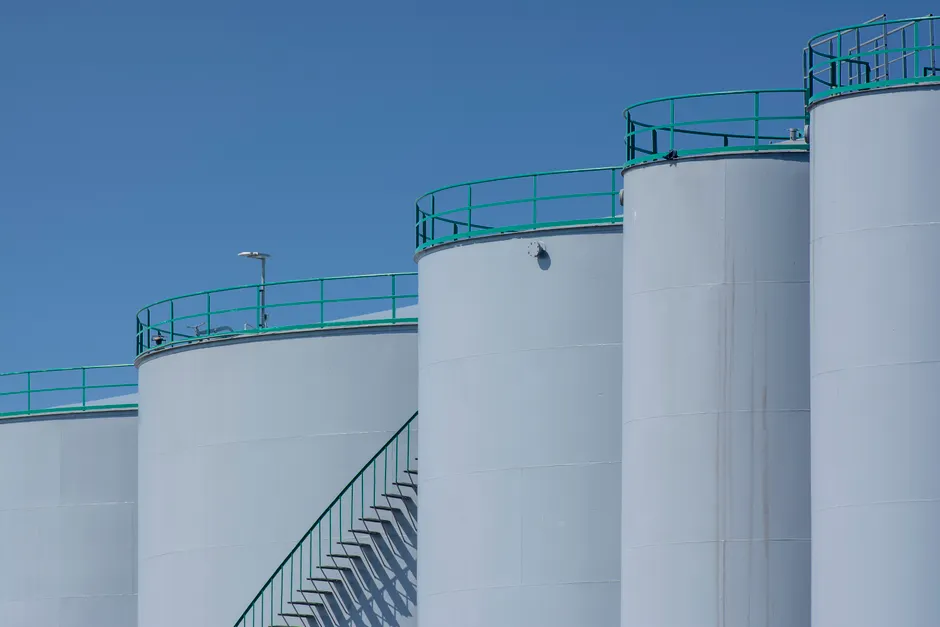
U.S. natural gas futures barely moved on August 5, 2026, as traders waited for the weekly EIA storage report. The Energy Information Administration tracks how much natural gas is sitting in underground storage facilities across the country. Right now, those inventories are running more than 6% above the five-year average, and analysts expect another weekly injection — the amount of gas added to storage — of more than 30 Bcf (billion cubic feet). Wall Street Journal
Analysts surveyed by the Wall Street Journal expect a 31 Bcf storage build for the most recent reporting week. If that figure holds, the surplus over the five-year average would widen to 193 Bcf, up from 185 Bcf the prior week. The expected build tracks the seasonal pattern: the EIA's July 30 report showed 3,084 Bcf of working gas in storage as of Friday, July 24 — a net increase of 28 Bcf from the week before. EIA
That 3,084 Bcf level sits comfortably above the five-year average band, and the market's calm reflects that cushion. When the prior week's build came in at 28 Bcf, prices barely moved. The August 5 session opened little changed, with traders apparently content to wait for the next EIA print rather than act ahead of it. Wall Street Journal
The current calm contrasts with price action just weeks earlier. On July 16, Reuters reported that front-month natural gas futures for August delivery on the New York Mercantile Exchange fell 6.6 cents, or 2.3%, to settle at $2.888 per million British thermal units (MMBtu — the standard pricing unit for natural gas). That selloff came as the market digested supply dynamics that still left room for uncertainty about whether storage would keep outpacing norms through the back half of summer. Reuters
Since then, the storage surplus has widened rather than narrowed. The progression from a 28 Bcf build for the week ending July 24 to a consensus 31 Bcf for the following week suggests injection momentum is holding or even accelerating modestly. Each weekly injection that lands at or above expectations reinforces the surplus and gives the market less reason to price in supply risk, regardless of how hot the weather gets.
The broader context here is a market where the fundamental balance has shifted. A 193 Bcf surplus, if confirmed, works out to roughly 6.7% above the five-year average. That is not a marginal excess — it is the kind of buffer that typically dampens price volatility for weeks, because it raises the bar for any weather or demand shock to tighten the market before the withdrawal season (winter, when gas is drawn down from storage) begins. For traders and risk managers, the relevant question is whether production growth and mild injection-season demand can sustain this surplus through September, or whether late-summer heat or hurricane-related production disruptions narrow the gap enough to reprice the curve. The futures market, as of August 5, is betting on the former.
For end-users — particularly utilities and industrial consumers running gas-fired capacity — the sustained surplus is a straightforward tailwind. Lower and less volatile spot prices reduce fuel-cost exposure heading into the shoulder months (the milder periods between peak summer and winter demand). For producers, the calculus is less favorable. Sub-$3 pricing at the front of the curve compresses cash margins on incremental volumes, and the market is not currently signaling a near-term reversal. The storage data due Thursday will either confirm the consensus or offer the first inflection point in a market that has been grinding sideways.


