The US Has Formally Asked the Philippines to Hand Over Church Leader Apollo Quiboloy
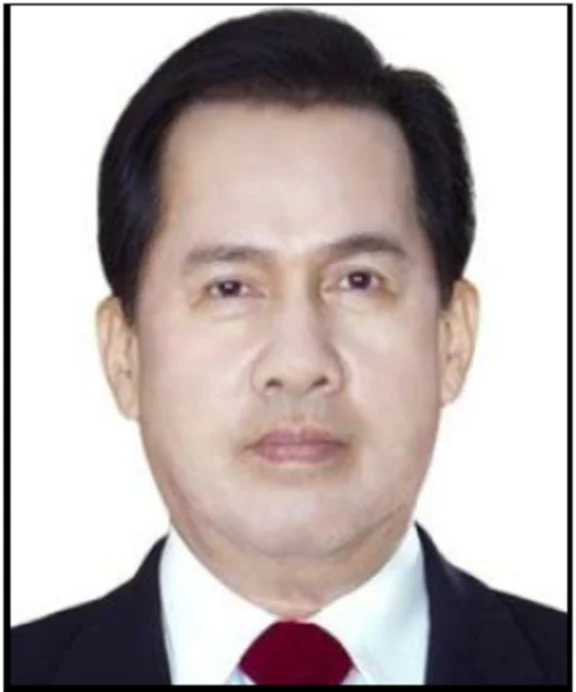
The United States has formally asked the Philippines to extradite Apollo Quiboloy, the 76-year-old founder and leader of the Kingdom of Jesus Christ church, so he can stand trial on charges including child sex trafficking and fraud. The Philippine Department of Foreign Affairs received the request from the US State Department on Thursday, August 6, 2026, and passed it to the Department of Justice for processing. Extradition is the formal process by which one country asks another to surrender a person to face criminal charges. Al Jazeera Philippine News Agency
Quiboloy is already wanted by US authorities. He appears on the FBI's most wanted list following a federal grand jury indictment that was unsealed in November 2021. A grand jury is a panel of citizens that determines whether there is enough evidence to bring criminal charges. That indictment named Quiboloy among nine defendants and charged him with conspiracy, sex trafficking of children, sex trafficking by force, fraud and coercion, marriage fraud, money laundering, cash smuggling, and visa fraud. US federal prosecutors said in 2021 that Quiboloy allegedly had sex with women and underage girls who were threatened with abuse and "eternal damnation" if they did not comply. Al Jazeera
The Kingdom of Jesus Christ church was founded in 1985 in Davao, in the southern Philippines. Quiboloy built it into a substantial religious and political organization. He served as spiritual adviser to former Philippine President Rodrigo Duterte, who took office in June 2016, placing Quiboloy within the orbit of the country's highest political leadership during a consequential presidency.
Quiboloy was arrested in the Philippines in 2024 on charges of child and sexual abuse and human trafficking. He is currently being tried in two Philippine courts for those offenses. The extradition request now before the Department of Justice requires approval from both courts before any transfer can proceed. Under the 1994 extradition treaty between Washington and Manila, Philippine justice officials can petition a domestic court to allow the temporary surrender of a suspect to a foreign court to face trial before the resolution of their Philippine cases. This means Quiboloy could be handed to US authorities even while his domestic proceedings remain unresolved, provided the courts consent. Al Jazeera
The legal architecture here is layered. The extradition treaty provides a mechanism, but the discretion lies with Philippine judicial bodies that have their own pending criminal cases against Quiboloy. The courts will need to weigh the US request against the sovereign interest in completing domestic prosecutions first. The treaty's temporary surrender provision offers a middle path, but it is not automatic. Each court must independently approve the transfer.
A political dimension adds complexity. In August 2025, the Philippine House of Representatives committee on justice was asked to conduct an inquiry into the US extradition bid. Inquirer That legislative interest signals that the case carries political weight beyond its legal merits. Quiboloy's proximity to Duterte, who remains a polarizing figure in Philippine politics, ensures that any move toward extradition will be scrutinized through a domestic political lens. Duterte's allies and critics alike have reasons to watch the proceedings closely.
The timing of the formal extradition request also intersects with the post-Duterte political landscape in Manila. President Ferdinand Marcos Jr. has pursued a foreign policy direction markedly different from his predecessor's, including stronger defense ties with Washington. Whether the Quiboloy extradition advances smoothly or becomes entangled in domestic political contestation will depend in part on how the current administration navigates treaty obligations, judicial independence, and the lingering influence of the Duterte political network.
For US prosecutors, the extradition request is the next procedural step in a case that has been pending since 2021. The charges are severe and span multiple federal statutes. But the practical question is whether Philippine courts, having already started their own prosecutions, will agree to interrupt or defer those proceedings in favor of an American trial. The 1994 treaty allows for it. The political environment will determine whether it happens without significant friction.


