Death at an Eschol Park Property Raises Questions About Unregistered Dogs and Regulatory Gaps

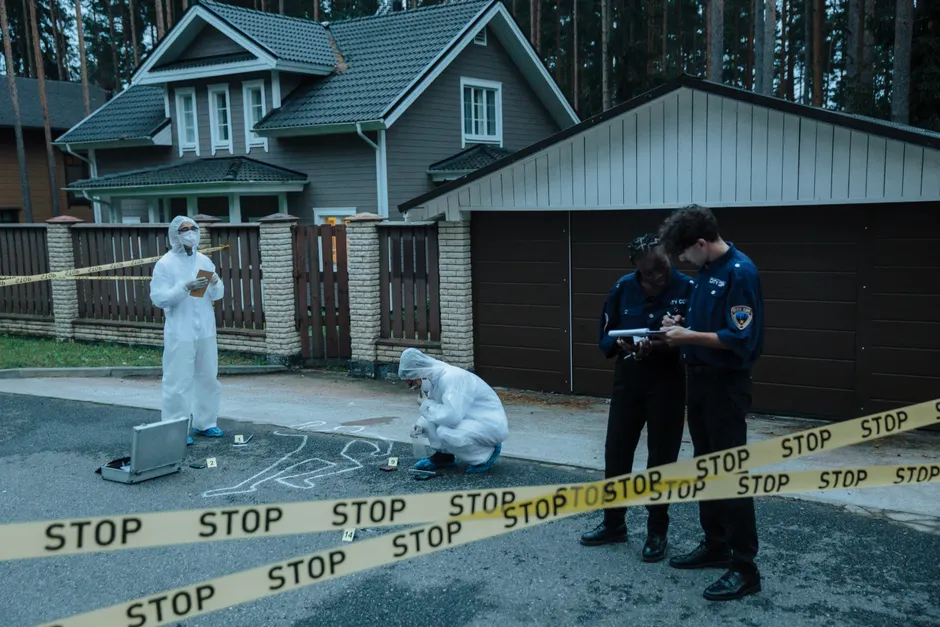
A 23-year-old man was found dead with significant injuries at a rural property on Badgally Road in Eschol Park, in Sydney's south-west, on or about 7 August 2026. NSW Police say their initial inquiries indicate he may have been attacked by animals before his death. Officers established a crime scene at the property after discovering the body.
Campbelltown City detectives have launched an investigation, and NSW Police have confirmed that a report will be prepared for the coroner. A coroner is an official who investigates unexpected or unexplained deaths to determine how and why they occurred. Preparing a coroner's report is the standard procedural step in New South Wales whenever someone dies in circumstances that are not clearly explained.
According to Sydney radio station 2GB, approximately eight dogs lived at the Eschol Park property, and none were registered or microchipped. A microchip is a small electronic implant placed under a dog's skin that stores an identification number, linking the animal to its owner in a council database. Registration is a separate requirement: owners pay their local council to list the dog on its official records. Together, these two tools form the backbone of how NSW councils track dog ownership, identify dangerous animals, and enforce containment rules. The fact that none of the eight dogs had either means the animals existed entirely outside that system.
Campbelltown City Council has confirmed it is assisting police with the investigation, including determining the registration and ownership status of the dogs. Under NSW's Companion Animals Act 1998, all dogs must be microchipped and registered with the relevant local council, and councils hold the power to enforce compliance. At this stage, the council's involvement is focused on establishing the legal status of the animals on the property rather than launching independent regulatory action.
The investigation now sits at the intersection of a criminal inquiry and an animal-regulation regime that appears to have had no prior contact with these dogs. The absence of microchips or registrations means there is no existing council record identifying the dogs' breed classifications, their owners, or any prior complaints about the animals. NSW councils maintain registers of dogs that have been formally declared dangerous or menacing, as well as dogs belonging to restricted breeds. Whether any of the eight dogs on the Badgally Road property fell into those categories is among the questions investigators will need to resolve.
NSW law distinguishes between three categories: restricted breeds, declared dangerous dogs, and declared menacing dogs, each carrying escalating containment and control obligations. A dog that has not been declared under any of these categories can still be seized if it has attacked. Owners can also face criminal charges, including reckless conduct, where an attack results in death or serious injury. The threshold for such charges typically turns on whether the owner knew or ought to have known of the risk the animal posed.
The broader context here is that the absence of any registration or microchipping raises immediate questions about whether the regulatory system had any opportunity to identify risk at this property before a fatality occurred. Local councils rely on registration data, community complaints, and ranger patrols to monitor compliance. If a property with roughly eight unregistered dogs attracted no prior regulatory attention, that gap is relevant to the coroner's eventual findings, which can extend beyond cause of death to systemic recommendations.
For investigators, the immediate task is to establish the man's relationship to the property and the dogs, the sequence of events leading to his death, and the role each animal played. A post-mortem examination, an autopsy performed to determine cause of death, will be critical in determining whether the injuries are consistent with a dog attack and in ruling out other causes. The coroner's report, once prepared, will sit at the centre of any subsequent legal or regulatory action.
Police have not indicated a timeline for the investigation, and the dogs' current status has not been specified in available reporting. Under NSW procedures, animals suspected of involvement in a fatal attack can be seized and held pending investigation outcomes.