Google Plans to Return More Water Than It Uses by 2030. Here's Why That Matters.

Google Plans to Return More Water Than It Uses by 2030. Here's Why That Matters.
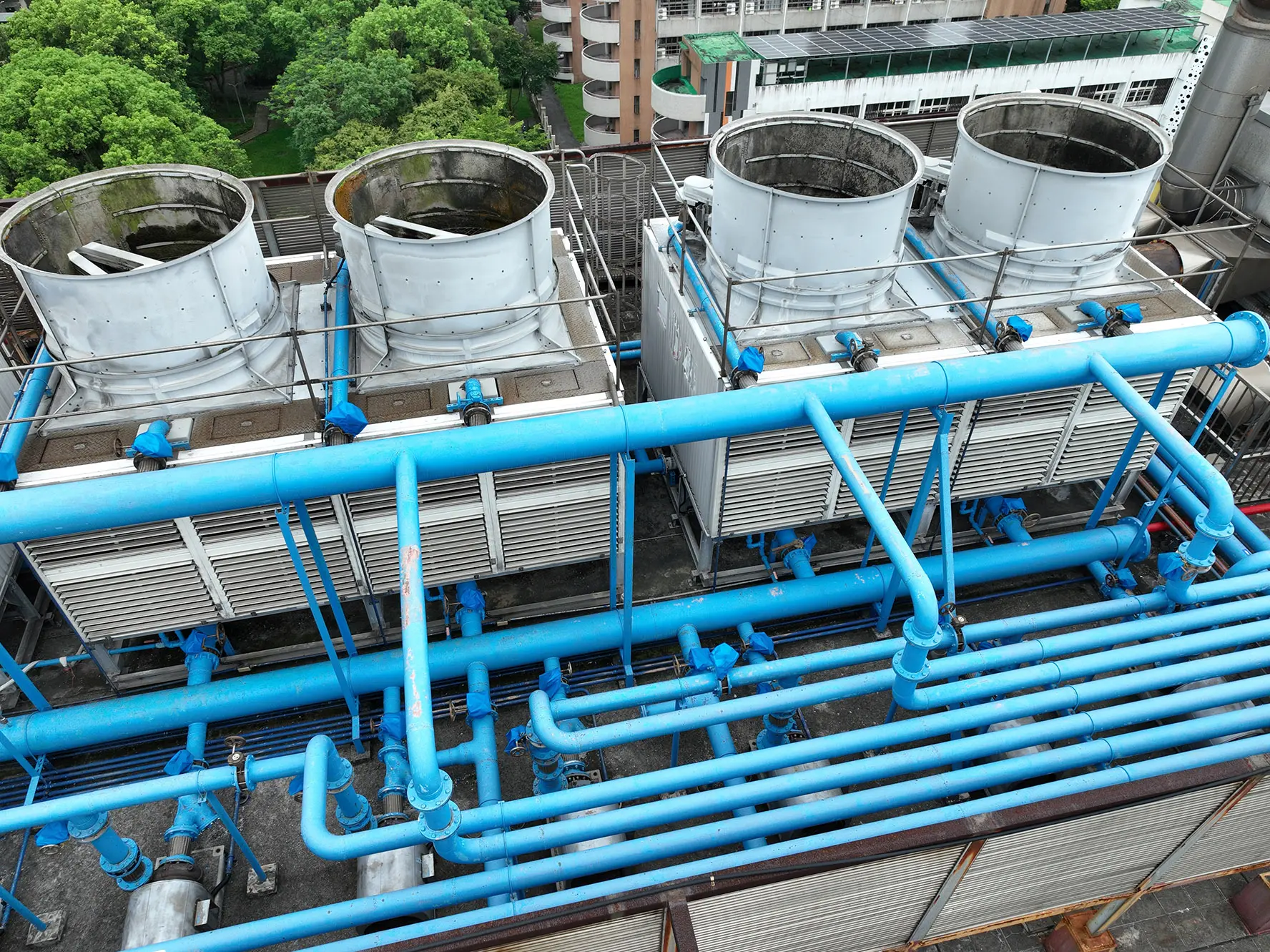
Google has committed to replenishing 120% of the water it consumes across its global data centers and offices by 2030. That's roughly 19 billion gallons per year—enough to supply Los Angeles for over 40 days. The company is making this move because its data centers are using more water than ever. In 2024, Google's data center electricity consumption jumped 27% year-over-year, largely because AI systems require more cooling water to keep their servers from overheating.
The water replenishment initiative involves 165 projects across 97 watersheds worldwide. In 2024 alone, Google replenished 4.5 billion gallons of water. That's a significant jump: the company went from replenishing 18% of its water consumption in 2023 to 64% in 2024.
Going Beyond Just Using Less Water
The 19 billion gallon annual target by 2030 is roughly double what Google actually consumed in 2024. This approach differs from what most large companies do. Rather than simply trying to use less water or offsetting their consumption locally, Google is aiming to be a net contributor to water availability overall. Think of it like a company that uses 100 gallons but commits to returning 120 gallons to the regional water system.
Google's current 112 active water stewardship projects range from teaching farmers to use water more efficiently to restoring wetlands and building flood control infrastructure. In Chile, Google is partnering with an agricultural technology company called Kilimo to help local farmers use precision irrigation—a technique that delivers water directly to plant roots with minimal waste. In the Netherlands, Google is funding water control structures that will create marsh areas for farming and aquaculture while also reducing flood risk.
These projects spread across water-stressed regions where data center operations create local water concerns. In the southwestern United States, Google is funding solar-powered irrigation systems for the Quechan Tribe to improve water access during droughts. In Europe, the company is supporting wetland restoration in Belgium that will help manage water and reduce flooding.
What This Means in Context
Google's data center water consumption does need perspective. The company notes that U.S. data centers collectively use less than 1% of the water Americans use annually on lawn irrigation. However, this comparison can be misleading. Data centers are concentrated in specific regions and cities, so their local impact can be substantial even if their national share seems small.
For Google's global data center fleet, 86% of freshwater withdrawals come from sources that are at low or medium risk of water scarcity. This suggests the company has deliberately chosen locations with more abundant water supplies. Yet as AI systems expand, Google and other tech companies may need to build data centers in regions where water availability is tighter.
The timing of Google's water commitment reflects a broader industry shift. AI workloads demand significant cooling power, which requires water. Meanwhile, electricity to run those systems also requires water during power generation. In 2024, Google reduced its data center energy emissions by 12% compared to 2023—an efficiency gain. But the 27% increase in overall electricity consumption means the company is using more power overall, not less.
The Energy-Water Connection
Google signed contracts for over 8 gigawatts of clean energy in 2024, including a notable deal to buy nuclear energy from small modular reactors (SMRs). These are smaller nuclear plants that can be built in locations traditional nuclear plants cannot reach. SMRs use less cooling water per unit of electricity than conventional nuclear plants, which directly addresses the water challenge.
This echoes a pattern we have seen in technology infrastructure before. In the 1990s, as semiconductor chip fabrication plants expanded rapidly, the industry faced similar water and chemical disposal pressures. That led to innovations in closed-loop water systems—essentially recycling water within the facility rather than consuming fresh supplies. Those technologies became standard practice across the industry.
Google's approach of spreading water projects across nearly 100 watersheds rather than concentrating them near data centers reflects a practical recognition: water availability, like electricity supply, is fundamentally a regional system challenge. A company cannot simply drill more wells near its facility; it must contribute to the overall health of the watershed. This is similar to how renewable energy certificates work—a company can support solar or wind farms anywhere in the grid, not just where its servers sit.
The success of Google's commitment will depend on how well it executes across very different environments. Precision irrigation in South America requires different expertise and partnerships than flood management systems in Northern Europe. For technology companies accustomed to solving problems through engineering and control, working within natural watershed systems alongside farming communities and environmental organizations adds a layer of complexity that goes well beyond the usual data center playbook.
There is also a pragmatic business angle worth noting. As AI workloads continue to scale, water consumption in data centers will likely draw increasing regulatory and community scrutiny in water-stressed regions. Companies that invest in water stewardship now may find it easier to expand infrastructure in those regions later, while those that do not may face pushback. For Google, the 120% replenishment target hedges against future constraints while positioning the company as a responsible corporate water user.