Murkowski's 'No' on Todd Blanche: Why One Senator's Vote Could Decide the Attorney General Confirmation
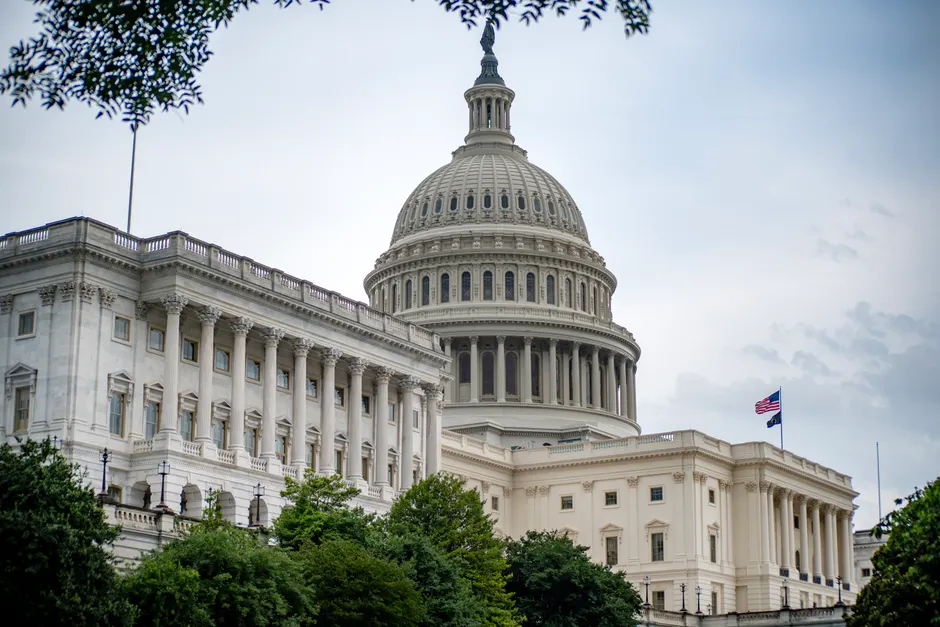
Senator Lisa Murkowski announced on August 7, 2026, that she will not vote to confirm Todd Blanche as United States attorney general, leaving Senator Bill Cassidy of Louisiana as the last undecided Republican whose vote will determine whether Blanche wins Senate confirmation before the chamber leaves for its five-week August recess that weekend. (NBC News; CBS News)
Murkowski, an Alaska Republican, released an official statement on her Senate website confirming her opposition to the nomination, which she noted remained pending before the Senate. (Murkowski Senate Office) She also posted on X, praising Blanche personally but saying she would "ultimately" oppose his confirmation. (The Guardian)
Her central concern is the Trump administration's proposed fund to compensate people who participated in the January 6, 2021, Capitol riot. Blanche had confirmed in writing that the compensation fund was dead, but experts cited by The Guardian said Trump could reverse that commitment on his own. That possibility was enough for Murkowski to withhold her vote. (The Guardian)
Blanche, Donald Trump's former personal lawyer, is already serving as acting attorney general. His path to permanent confirmation has been a week of incremental wins and persistent friction. The Senate Judiciary Committee advanced his nomination earlier in the week on a 12-10 party-line vote, but only after Blanche promised Republican holdouts he would not pursue the payout fund. That commitment followed weeks of negotiation with Senators Thom Tillis of North Carolina and John Cornyn of Texas, both of whom had been blocking his nomination and were eventually persuaded to support him. (The Guardian)
On the Sunday before the committee vote, Blanche issued a formal order terminating what The Guardian described as Trump's $1.8 billion "anti-weaponization" fund, designed to compensate political allies who had been "targeted" by the Justice Department, including those prosecuted for their roles in the January 6 insurrection. Blanche's written confirmation that the fund was dead, combined with the formal order, was enough to satisfy Tillis and Cornyn. Murkowski, however, was not persuaded that the guarantees would hold, given how easily Trump could reverse course. (The Guardian)
Maine Senator Susan Collins had announced her opposition earlier in the week, citing concerns about the independence of the Department of Justice under Blanche's leadership. (ABC News) With Collins and Murkowski both committed to voting no, the confirmation math narrows to Cassidy, who has not publicly declared his position. NBC News and CBS News both reported on August 7 that Murkowski's opposition puts Blanche's confirmation in jeopardy. (NBC News; CBS News)
The personal dynamics between Trump and the Republican holdouts have been visibly deteriorating. On Thursday, August 5, Trump spoke in the Oval Office about his fraying relationships with Republican critics, naming Murkowski and Cassidy specifically. Both senators were among the Republicans who voted to convict Trump after his 2021 impeachment over the January 6 Capitol riot, a fact that has shaped their scrutiny of his attorney general pick. (The Guardian)
The Senate is racing to resolve the nomination before members leave for the August recess. If the chamber does not hold a confirmation vote before adjourning, Blanche continues as acting attorney general, but the confirmation process would resume in September with the political landscape potentially shifted by five weeks of recess lobbying and public positioning.
The broader context here is a confirmation fight that has become a proxy battle over the Justice Department's posture toward January 6 defendants and the durability of executive commitments. Blanche's concessions, the formal termination order, and his written assurances were sufficient to win over Tillis and Cornyn but failed to satisfy Collins and Murkowski, who both belong to a faction of the Republican conference that has historically broken with Trump on accountability questions tied to January 6. Cassidy occupies the same faction, having also voted to convict in the 2021 impeachment trial.
The core tension is structural. Blanche offered a written guarantee that the compensation fund would not be revived, and he backed it with a formal order. But the guarantee rests on the continued willingness of an administration that has already proposed the fund once. Experts cited by The Guardian assessed that Trump could reverse the termination with relative ease, which is precisely the risk Murkowski identified. Whether Cassidy finds that risk acceptable, or whether the administration offers additional binding assurances before the recess, will likely determine whether Blanche's nomination reaches a floor vote this weekend or extends into September.


