Why Seattle Is Pausing New Data Centers for a Year
Why Seattle Is Pausing New Data Centers for a Year
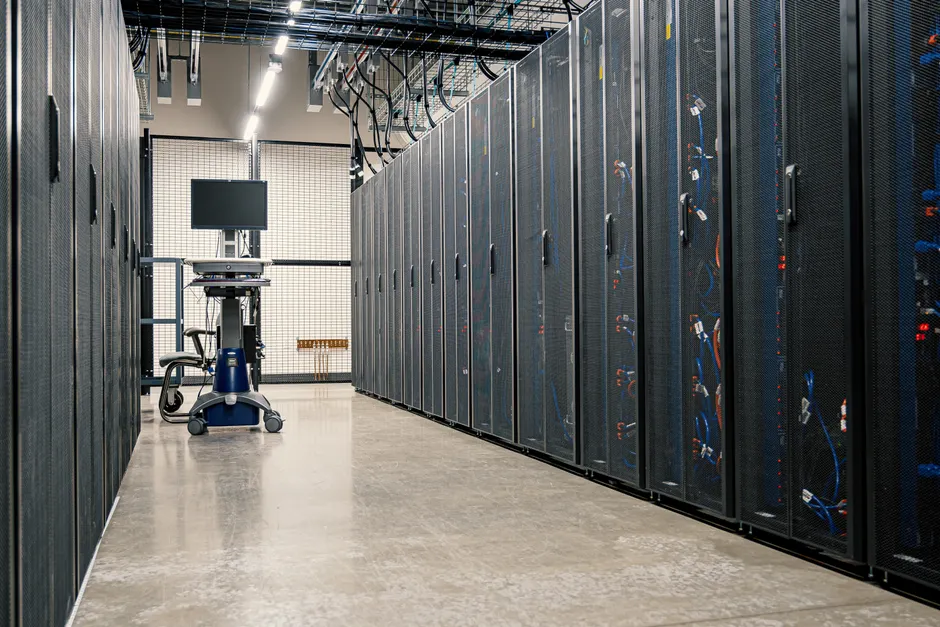
Seattle City Council members have introduced a plan to stop approving new data centers for one year. The move comes after four companies proposed building five large facilities that would use 369 megawatts of electricity — roughly one-third of what the entire city uses on an average day.
Councilmember Eddie Lin from District 2 is leading the effort, joined by Councilmember Debora Juarez (District 5) and Council President Joy Hollingsworth (District 3). The one-year freeze targets big data centers that would need 10 megawatts or more of power. The city's existing 30 smaller data centers — mostly handling basic internet traffic rather than artificial intelligence — would not be affected.
Mayor Wilson has endorsed the plan, announcing a partnership with the Council on the moratorium while directing city departments to craft a longer-term response to what officials see as legitimate public concerns: rising electricity bills, potential health impacts, and environmental damage.
Why Seattle Is Acting Now
The City Council's push gained speed after receiving thousands of emails from residents once news broke that companies were approaching Seattle City Light — the city's publicly owned utility — about building massive data centers. The sheer volume of public concern appears to have moved the timeline forward, with both the freeze and accompanying studies expected to be introduced by mid-May.
Some context: two companies have already dropped their plans to build large data centers in Seattle after facing local opposition. This suggests that the mere threat of new rules is already changing how developers think about whether Seattle is worth pursuing.
The studies would assess how data centers would affect city infrastructure, water consumption, electricity rates, land use, job creation, and air quality — a comprehensive look that other cities grappling with the same issue have also undertaken.
The Money Problem
Seattle City Light is working on rules to make sure that building and powering massive data centers doesn't drive up electricity bills for regular residents and small businesses. The utility is drafting new terms that large data center customers would have to meet — likely requiring them to arrange their own power sources outside the city's existing supply.
The City Council also plans to consider separate electricity rate structures for 2027 and 2028 — one tier for households and small users, another (higher) tier for industrial-scale power consumers like data centers. This creates a financial barrier so that corporations don't indirectly force residents to subsidize their electricity costs.
Lin has argued that massive data centers push up utility costs for everyday residents and small businesses while causing air, water, and noise pollution if not properly regulated. This concern about who foots the bill reflects a broader worry: without strict boundaries, a few giant tech projects could shift costs onto ordinary Seattleites.
The Bigger Picture
Seattle's decision reflects a growing national conversation about data centers and how much power they consume, especially as AI applications demand more and more computing. Cities across the country are facing the same dilemma: how do you accommodate huge new facilities without destabilizing the power grid or making electricity unaffordable for existing residents?
This pattern has played out before. Decades ago, municipal utilities in the Pacific Northwest faced similar pressures from aluminum smelting plants — energy-hungry industrial operations that could shift costs onto ordinary ratepayers. The political stakes are similar now, though data centers are expanding far faster and tech companies have influence spread across many cities rather than concentrated in one region.
The one-year pause gives Seattle's government a full cycle to study the problem, develop clear rules, and prevent a sudden rush of applications that might commit the city's power supply before anyone understands the full impact. It's a way to step back and think systematically instead of reacting to one project at a time.
What Happens Next
Mayor Wilson has asked city departments to work together on a coordinated response addressing concerns about data center impacts on electricity costs, health, economic stability, pollution, and fairness. The fact that multiple departments are involved suggests city leadership sees this as bigger than any single agency's problem.
The legislative package combines an immediate pause on new approvals with a mandate for comprehensive studies — a two-part approach that has become common when cities face sudden pressure to expand infrastructure quickly. One part stops the clock. The other part builds the evidence base for permanent policy.
Seattle already hosts about 30 smaller data centers that primarily serve basic internet infrastructure rather than AI workloads, suggesting the city can accommodate digital infrastructure at certain scales without the same concerns. The 10-megawatt threshold in the new freeze effectively protects existing facilities while blocking the next generation of power-hungry installations.
How Seattle resolves this tension between attracting technology investment and protecting affordable electricity matters beyond the city limits. The Pacific Northwest sits at a crossroads: it has abundant clean energy from hydroelectric dams, and major tech companies want to build there. Other cities in the region are watching Seattle's response closely, and whatever the city decides could shape how its neighbors approach similar proposals.