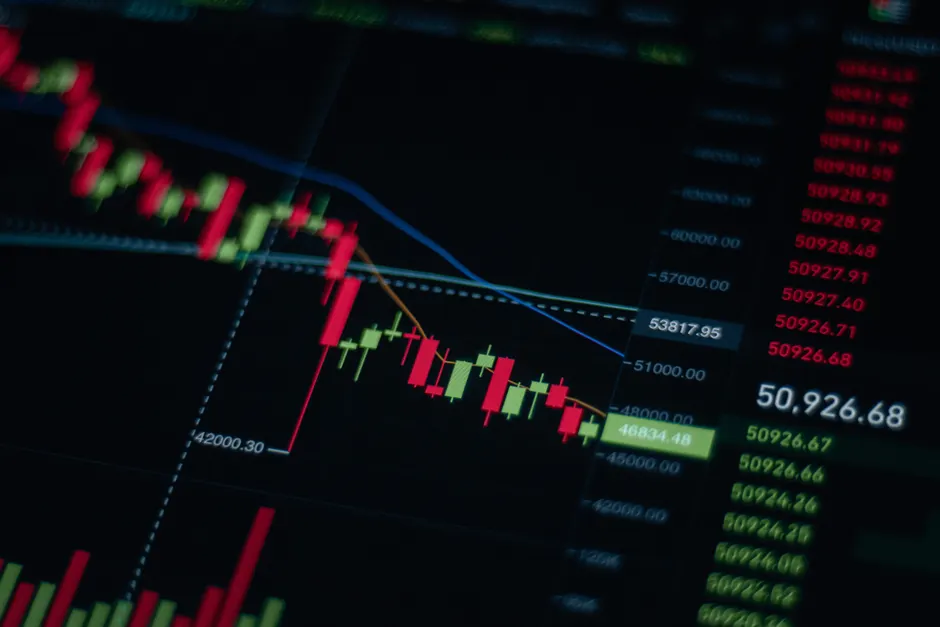
Gold Surges After July Jobs Report Shows Payrolls Contradiction
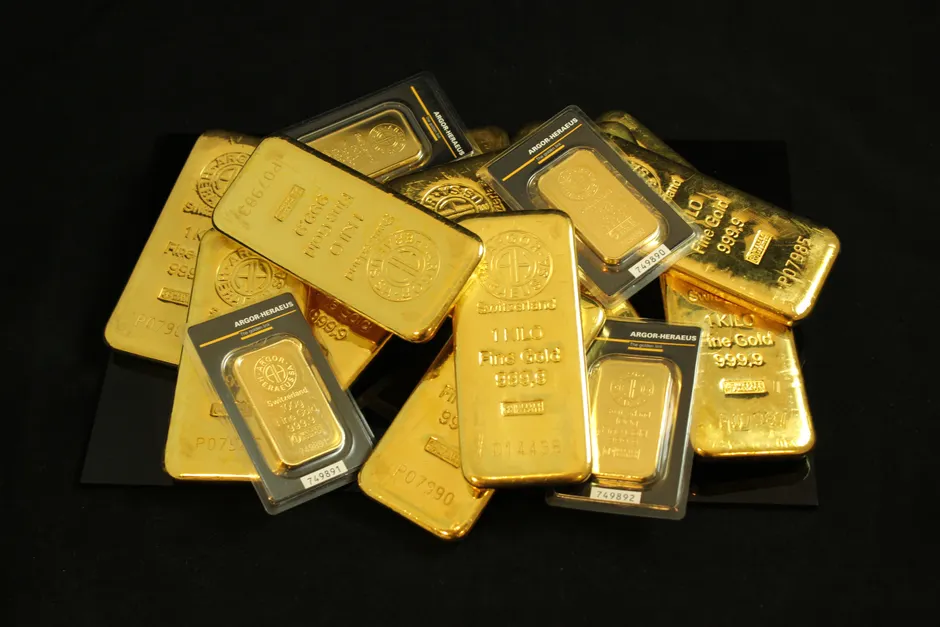
The U.S. economy lost 23,000 nonfarm payrolls in July 2026, contradicting expectations for positive job growth, even as the unemployment rate ticked lower in the same report. Nonfarm payrolls measure the total number of workers on company payrolls across the country, excluding farming. The data, released August 7, sent gold to a seven-week high and the dollar to a seven-week low against a basket of currencies. U.S. equities rose on the day. WSJ
Gold was headed for its strongest weekly performance since January 2026 as of August 7, according to Reuters and CNBC. The rally caps a multi-week advance: spot gold traded at $4,086.36 on August 4, U.S. futures settled at $4,152.60 the same day, and December-delivery futures surged 3.7% to $4,305.20 on August 5. Comex gold had settled at $4,100.10 on July 30, up 1.58%. Futures are contracts to buy or sell an asset at a set price on a future date, so they reflect where traders think prices are heading. Reuters
The payrolls contraction was the catalyst that crystallized a trend already building through July. Gold had rallied through most of that month as the dollar weakened on reduced expectations for a third U.S. interest rate hike in 2026, per Reuters. An earlier soft payrolls print on July 2 had pushed spot gold up 2.2% to $4,117.63, establishing the pattern: weak labour data compresses rate-hike odds, pressures the dollar, and lifts bullion. When the market thinks the Fed is less likely to raise rates, the dollar tends to fall and gold tends to rise, because gold is priced in dollars and becomes cheaper for foreign buyers when the dollar slips. CNBC
The July 30 Fed decision, which held rates steady, added structural support: Comex gold settled 1.58% higher at $4,100.10 that day. By the time the July payrolls data landed, positioning was already extended, meaning many traders had already bought in. WSJ
Sucden Financial's daily base metals analysis for August 8 noted that gold and silver extended their breakout on dollar weakness, with the July payrolls report encouraging investors to price a softer labour-market outlook. The dollar's decline to a seven-week low against major currencies amplified the move. Gold moves inversely to the dollar: a weaker greenback makes bullion cheaper for non-U.S. buyers while reducing the opportunity cost of holding an asset that does not pay interest. Sucden Financial
Not every precious metal participated uniformly. Front-month gold futures had fallen 2.4% to $4,046.50 on July 23, and silver dropped 3.7% to $57.798 per ounce in the same session, illustrating the volatility bracketing the broader uptrend. The pullback preceded the late-July Fed hold and the August payrolls shock that reignited the rally. WSJ
The payrolls report presents a mixed signal worth scrutinizing. Nonfarm payrolls contracted by 23,000, yet the unemployment rate ticked lower. An analyst told Kitco that while job growth was slow in mid-2026, the job market was still tightening, which is consistent with a falling unemployment rate alongside weak payroll gains. That divergence can occur when labour force participation declines or when the two surveys that feed the jobs report tell different stories: the household survey, which drives the unemployment rate, and the establishment survey, which drives nonfarm payrolls. Kitco
The broader context here matters for positioning. Gold's rally from the July 23 front-month low of $4,046.50 to the August 5 December futures settlement at $4,305.20 amounts to a roughly 6.4% gain in under two weeks. The catalysts are layered: a Fed hold, two consecutive soft payrolls prints, dollar weakness, and a dovish repricing of the rate path, meaning traders have shifted their expectations toward fewer rate hikes. Equities rose on the news, suggesting the market is reading weak payrolls as a signal that supports risk assets through lower expected rates, rather than as a growth scare that would drive investors toward safer holdings.
The tension between falling payrolls and falling unemployment complicates the narrative. If the labour market is genuinely tightening despite payroll losses, the case for sustained dovish policy is weaker than a headline contraction implies. Gold's rally is pricing the soft-payrolls signal more than the unemployment rate, and that disconnect is where the risk sits for bullish positioning. Sucden's read, that investors are pricing a softer labour-market outlook, captures the prevailing interpretation, but the unemployment rate's decline is a data point that could temper that view if it persists in subsequent releases.
For market participants, the key variables to watch are the next payrolls release for confirmation or reversal of the contraction, any Fed commentary on the divergence between the household and establishment surveys, and whether dollar weakness extends or reverses from its seven-week low. Gold's sensitivity to rate expectations remains the dominant driver; any repricing of rate-hike probability back upward would test the durability of the current breakout.