Mexico Deploys Plan Kukulcán: 99,000-Strong Security Operation for 2026 World Cup

Mexico Deploys Plan Kukulcán: 99,000-Strong Security Operation for 2026 World Cup
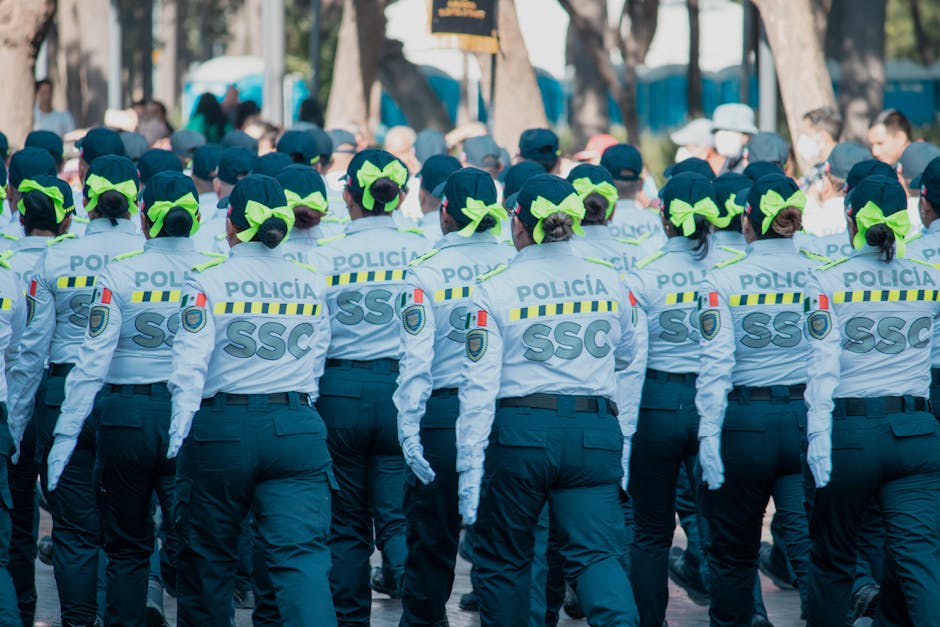
Mexico's Defense Ministry (SEDENA) has unveiled Plan Kukulcán, a comprehensive security deployment involving more than 99,000 personnel for the 2026 FIFA World Cup across Mexico City, Guadalajara, and Monterrey. The operation represents one of the largest peacetime security mobilizations in Mexican history, spanning federal armed forces, civilian security agencies, and specialized units.
The deployment divides into two primary components: approximately 20,000 Armed Forces personnel drawn from the National Guard, Army, and Air Force, supplemented by more than 55,000 personnel from the Secretary of Security and Citizen Protection. General Román Villalvazo Barrios leads the operation as head of the Coordination Center for the 2026 FIFA World Cup, establishing unified command across multiple security agencies.
Monterrey Security Architecture
In Monterrey, SEDENA will assume direct control over security at Estadio Monterrey, Parque Fundidora, Monterrey International Airport, and the northern airport facility. The venue will host four World Cup matches, including one round of 16 fixture, requiring enhanced protective measures for both infrastructure and personnel movement.
Road closures will encompass the perimeter around Estadio Monterrey during match operations, while SEDENA maintains security oversight for roads and hotels hosting FIFA delegations and special guests. Anti-riot groups will deploy throughout the metropolitan area, supported by specialized units including robot dogs integrated into the stadium security apparatus.
The city has reinforced its municipal capacity by graduating 166 proximity police and auxiliary guards specifically for World Cup operations, expanding local response capabilities beyond the federal deployment.
Technology Integration and Operational Framework
The inclusion of robot dogs in Monterrey's security unit signals Mexico's adoption of automated surveillance technologies for major international events. These platforms typically provide perimeter monitoring, threat detection, and crowd assessment capabilities without requiring human operators in potentially dangerous situations.
FIFA has issued operational guidance recommending early arrival at Estadio Monterrey to accommodate enhanced security protocols, including expanded screening procedures, ticket verification systems, and controlled entry processes. These measures align with international standards for major sporting events while accommodating the heightened security posture.
Historical Context and Strategic Implications
Mexico's approach to World Cup security reflects lessons learned from previous tournament hosting experiences and contemporary threat assessment frameworks. The scale of Plan Kukulcán exceeds typical security arrangements for sporting events, positioning it closer to state visit or summit-level operations in terms of resource allocation and command structure.
I have observed this pattern emerge across recent FIFA tournaments, where host nations increasingly treat World Cup security as a demonstration of state capacity rather than merely event management. The integration of military and civilian agencies under unified command represents a shift toward comprehensive security governance that extends well beyond traditional policing models.
The deployment timeline and personnel numbers suggest Mexico views the tournament as a critical sovereignty demonstration, particularly given the tri-national hosting arrangement with the United States and Canada. The concentration of federal resources across three host cities indicates prioritization of seamless operations over distributed risk management approaches.
Operational Challenges and Coordination Requirements
The 99,000-personnel deployment creates significant coordination demands across federal, state, and municipal jurisdictions. SEDENA's assumption of direct control over critical infrastructure removes potential command ambiguities while establishing clear accountability chains for security failures.
The integration of specialized units, including anti-riot groups and automated systems, requires extensive pre-deployment training and interoperability protocols. Robot dog deployment at Estadio Monterrey will test Mexico's capacity to integrate emerging technologies into traditional security frameworks under high-stakes conditions.
Cross-border coordination with U.S. and Canadian security agencies adds complexity to an already intricate operational environment. The tournament's tri-national structure requires harmonized threat assessment, intelligence sharing, and incident response protocols across different legal and operational frameworks.
Looking Forward
Plan Kukulcán represents Mexico's most ambitious security undertaking for an international sporting event, with implications extending beyond the tournament itself. The operation will test federal capacity for large-scale coordination while providing practical experience in technology integration and multi-agency command structures.
Success metrics will likely focus on incident prevention, crowd management effectiveness, and seamless tournament operations rather than traditional security measures. The deployment's scale suggests Mexican authorities view World Cup security as a strategic priority warranting exceptional resource allocation.
The experience gained from Plan Kukulcán may influence Mexico's approach to future major events while providing operational data for security planning across the region. The integration of traditional and technological security measures under unified command offers a template for large-scale event management that other nations may examine closely.