Stourbridge Wildfires Destroy 19 Homes as UK Hits Record 38.1°C Amid Fifth Consecutive Heatwave
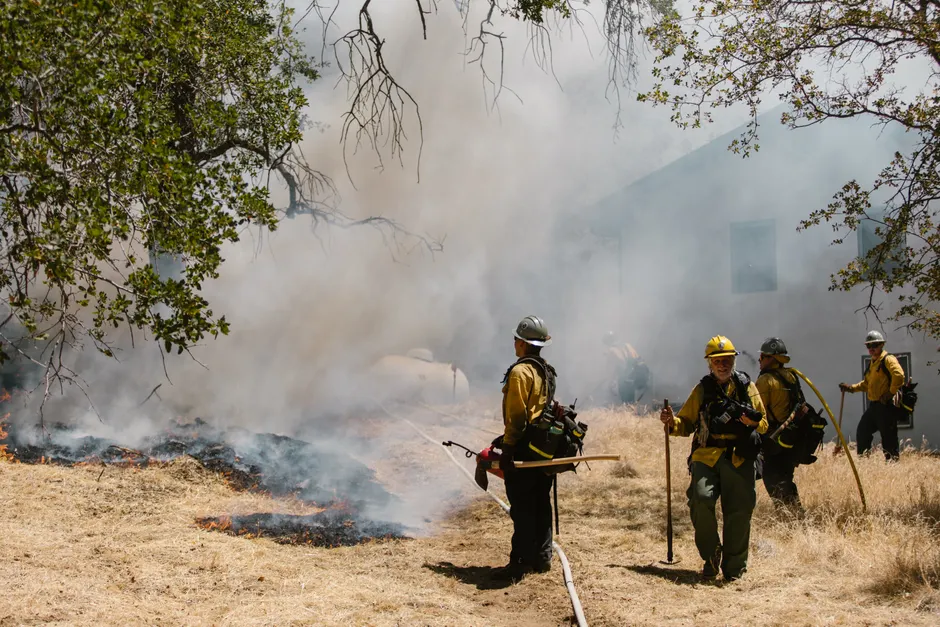
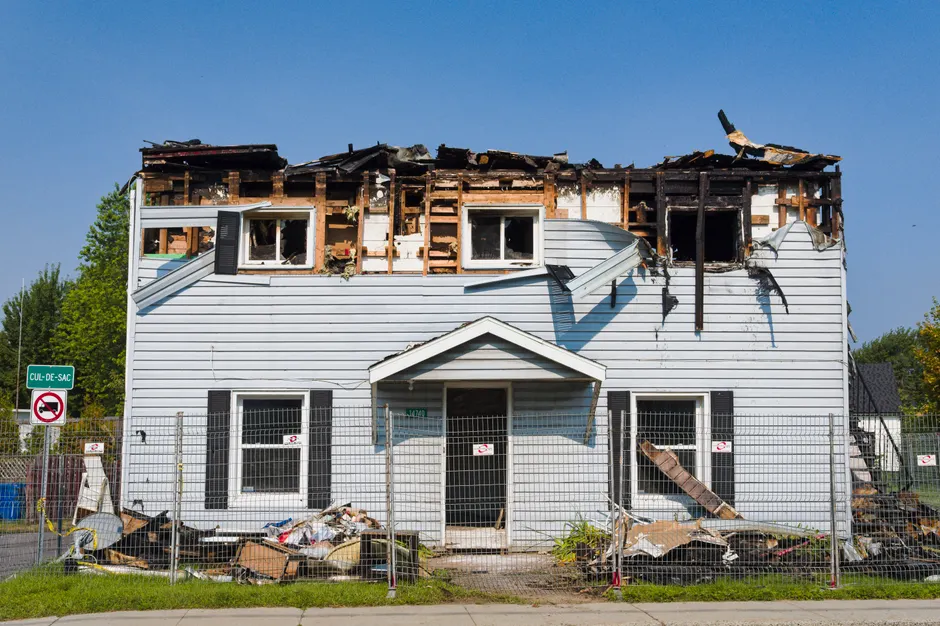
Wildfires in Stourbridge, West Midlands, destroyed 19 homes and damaged 18 more on 14 August 2026, as UK temperatures reached a record 38.1°C during the country's fifth consecutive heatwave (The Guardian, 2026-08-14). Reuters reported that wildfires across Britain hit record levels in 2026 after homes burned in intense heat, with the large grass fire in Stourbridge marking the most destructive domestic wildfire incident of the summer (Reuters, 2026-08-14).
The fire broke out on 13 August at approximately 4:16pm, affecting multiple locations around Ounty John Lane, Racecourse Lane, and Stourbridge Road in the market town within the Dudley borough (West Midlands Fire Service, 2026-08-13). According to the BBC's reporting of the fire service's account, the blaze consumed approximately 500 acres (BBC, 2026-08-14).
West Midlands Ambulance Service treated 54 people across eight separate fires on 14 August, with 19 requiring hospital admission (The Guardian, 2026-08-14). The casualty figures span the broader cascade of fires across the region that day, not the Stourbridge incident alone.
The human displacement was immediate and sizable. Old Swinford Hospital boarding school in Stourbridge was established as a makeshift evacuation centre on the evening of 14 August. More than 20 residents were evacuated from a care home near the fire zone, and residents on Osmaston Road were ordered to leave their properties (The Guardian, 2026-08-14).
West Midlands Fire Service's Chief Fire Officer issued a statement on 13 August revealing that firefighters had been taken to hospital after a "deliberate" grass fire closed in on homes. The service's language was unambiguous: "this must stop now" (West Midlands Fire Service, 2026-08-13). The Chief Fire Officer issued a further update on 14 August (West Midlands Fire Service).
On 15 August, Andy Burnham visited Stourbridge and described the UK as resembling a "tinderbox." He announced the commissioning of firefighting planes to tackle future wildfires (The Guardian, 2026-08-14). The announcement of aerial firefighting assets represents a notable shift in UK emergency preparedness doctrine. Britain has historically relied almost entirely on ground-based firefighting infrastructure, and the acquisition of dedicated firefighting aircraft would place the UK in a different operational category alongside southern European and Mediterranean jurisdictions that have long maintained such capabilities.
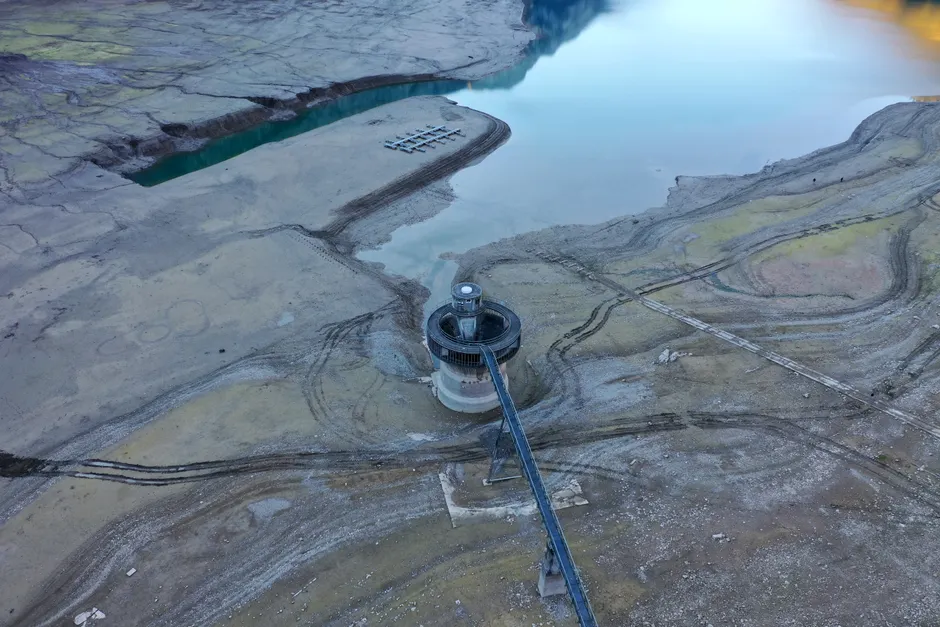
The broader context here is the compounding effect of five consecutive heatwaves producing a sustained period of vegetation desiccation across the country. A single 38.1°C peak is significant in its own right, but the cumulative drying effect of repeated heatwave cycles creates the fuel-load conditions that transform grass fires into fast-moving conflagrations capable of overwhelming urban-rural interfaces. The Stourbridge fire, consuming roughly 500 acres and destroying 19 homes, demonstrates how rapidly these conditions can escalate in areas without the vegetation-management regimes typical of fire-prone climates.
The deliberate ignition element adds a further dimension. If confirmed across the broader pattern of fires on 14 August, the intentional setting of grass fires during extreme fire-weather conditions would constitute a prosecutable aggravating factor under existing UK arson legislation. The Chief Fire Officer's direct, public-facing language suggests the service is treating this not as isolated vandalism but as a pattern with life-threatening consequences for both residents and responding personnel.
What remains unresolved is whether the commissioning of firefighting aircraft will be a national programme or a regional initiative, and what the procurement timeline will be given that such assets typically require specialised pilot training and maintenance infrastructure. The gap between announcement and operational capability in aerial firefighting can span years, meaning that for the remainder of the 2026 fire season, ground-based response remains the UK's primary tool.