Midwest Derecho and Flooding Leave 540,000 Without Power, at Least Three Dead
Severe storms cut power to about 540,000 homes and businesses across the US midwest on Thursday, August 13, with Indiana bearing the brunt of the damage, according to PowerOutage.us data (The Guardian).
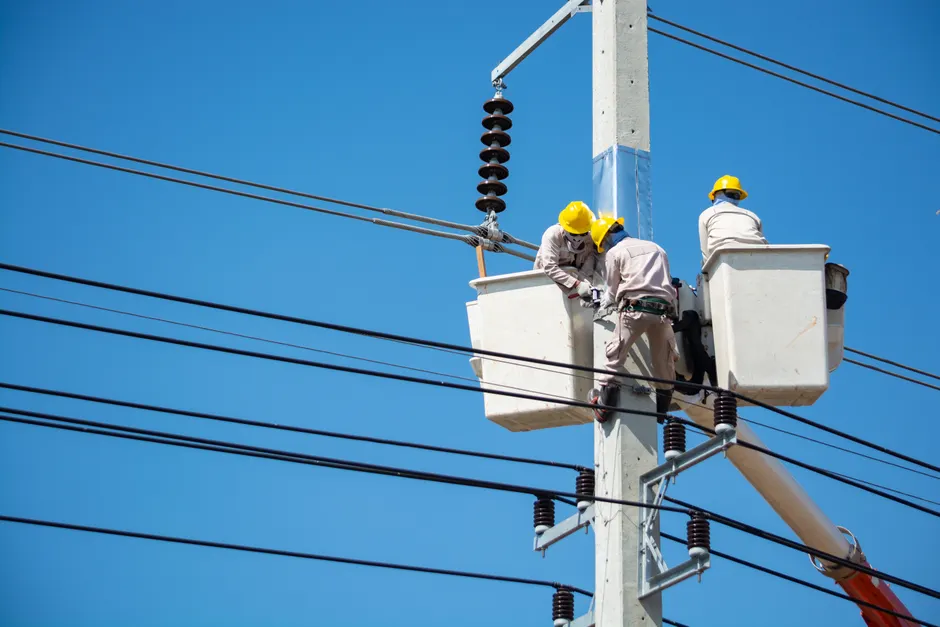
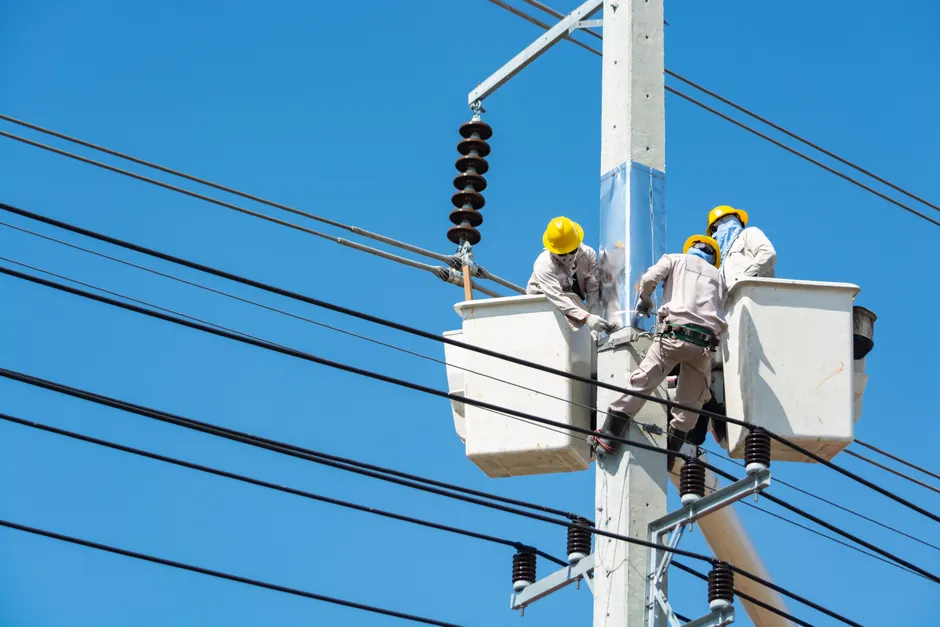
Indiana recorded more than 267,000 outages, roughly 8% of its approximately 3.3 million customers. The hardest-hit utility was Northern Indiana Public Service Company (Nipsco), a unit of NiSource, which lost service to about 258,885 homes and businesses — over 55% of its roughly 468,000 customers in the state. Nipsco warned that restoration could take days in some areas due to downed poles, power lines, and trees.
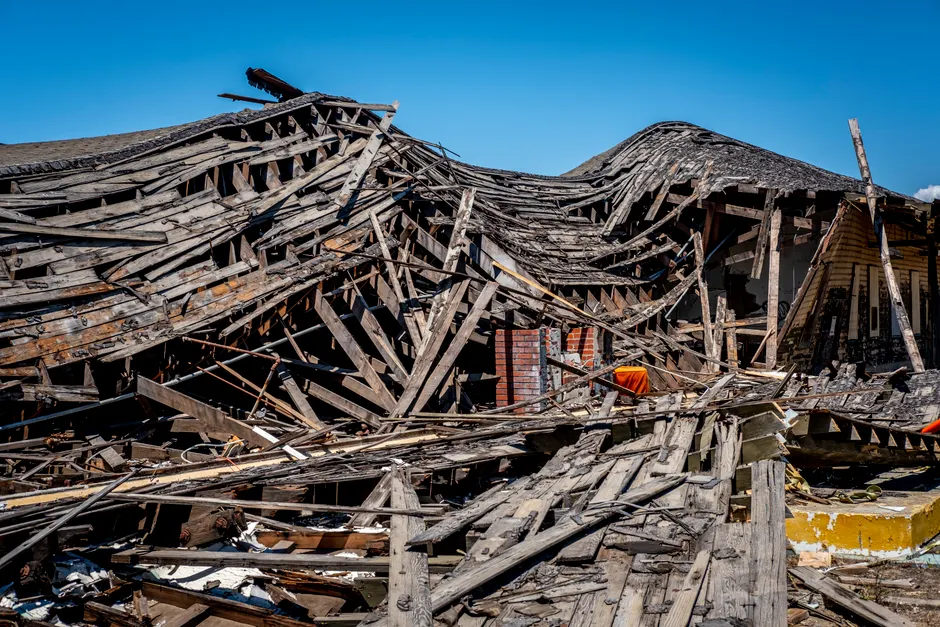
The storm system unfolded in multiple waves. A derecho on August 11 produced destructive wind gusts of up to 100 mph in far northwestern Indiana, with La Porte, Starke, Marshall, and St Joseph counties sustaining the most damage in the National Weather Service's northern Indiana forecast area, where gusts reached 75 mph (NWS Northern Indiana). Around August 12, additional rounds of severe thunderstorms downed trees and power lines across Indiana and produced catastrophic flooding for portions of the central part of the state, with over 11 inches of rain recorded in some areas (NWS Indianapolis).
At least three deaths have been linked to the storms. A four-year-old boy was killed when a tree fell on a home in Geneva, Indiana during Tuesday's storms, according to the Jennings County sheriff's office. Ohio governor Mike DeWine reported that a resident of Roseville, Ohio died during a health emergency when first responders could not reach them due to flooded roads. In Portage, Indiana, officials were investigating whether severe weather played a role in a house explosion that killed a person (The Guardian).
In Ohio, about 46,200 homes and businesses were without power, roughly 6% of Duke Energy's approximately 768,281 customers in the state. Duke Energy deployed 1,000 workers to restore power to more than 171,000 customers across greater Cincinnati. Governor DeWine sent 40 Ohio Army National Guard members to assist in two counties east of Columbus.
Lake County, Indiana had the most outages of any of the state's 92 counties, with 169,752 customers without power. PowerOutage.us, which tracks 96% of the US, 95% of Canada, and 89% of the UK, recorded over 440,000 customers out simultaneously at peak, with 1.2 million affected across Illinois, Iowa, and Indiana during the August 2026 storms (PowerOutage.us).
Earlier reporting from August 11 confirmed that the initial round of storms spawned tornadoes and caused widespread outages, with at least two storm-related deaths at that point (CBS News). By August 12, hundreds of thousands remained without power as flooding intensified (Fox Weather).
The NWS forecast for Indianapolis on August 12 had warned that damaging winds with gusts of 60-70 mph would be the main threat (NWS Indianapolis).
The broader context here is the compounding nature of this event. A derecho — a widespread, long-lived straight-line windstorm — initiated the damage on August 11, and the system did not relent. Successive rounds of convection retrained over the same corridors, dropping over a foot of rain in parts of Indiana. For utility operators like Nipsco, where more than half the customer base lost service, the damage profile extends beyond conductor and transformer repair: downed poles and debris in flood-inundated areas complicate access for crews, extending restoration timelines well beyond typical post-thunderstorm recovery.
The geographic concentration matters for grid resilience analysis. Lake County alone accounted for nearly 170,000 outages, a figure that reflects both population density in northwestern Indiana and the derecho's track through the Chicago metro fringe. For emergency managers, the Roseville fatality illustrates the secondary cascade that flooding creates when road networks become impassable, severing access for first responders in ways that wind damage alone typically does not. The deployment of National Guard personnel in Ohio signals that local resources were insufficient for the scale of infrastructure disruption, a threshold that bears watching as restoration efforts continue into the coming week.