Health Canada Clears Plasma Donation Link in Two Winnipeg Donor Deaths, But Imposes Stricter Rules on Grifols

Health Canada has concluded there is no connection between paid plasma donation and the deaths of two donors at Grifols-operated clinics in Winnipeg, but the federal regulator is imposing stricter operational conditions on the Spanish healthcare company's Canadian plasma collection activities.
The two deaths occurred at separate Grifols plasma collection centres in Winnipeg. One of the deceased has been identified as Rodiyat Alabede, a 22-year-old international student. The identity of the second donor has not been disclosed in the reporting record. Grifols, a Spain-based plasma and blood products company, issued a statement asserting it had "no reason to believe that there is a correlation between the donors' passing and plasma donation" (The Guardian).
Health Canada's review, initially launched in the wake of the deaths, found no causal link between the plasma collection procedure and the fatalities, according to reporting from early April 2026. The regulator's finding was accompanied, however, by new and tightened conditions on Grifols' plasma donation operations. The specifics of those additional conditions have not been detailed in public reporting, though they represent a regulatory escalation rather than a clearance without strings (Winnipeg CityNews; CBC).
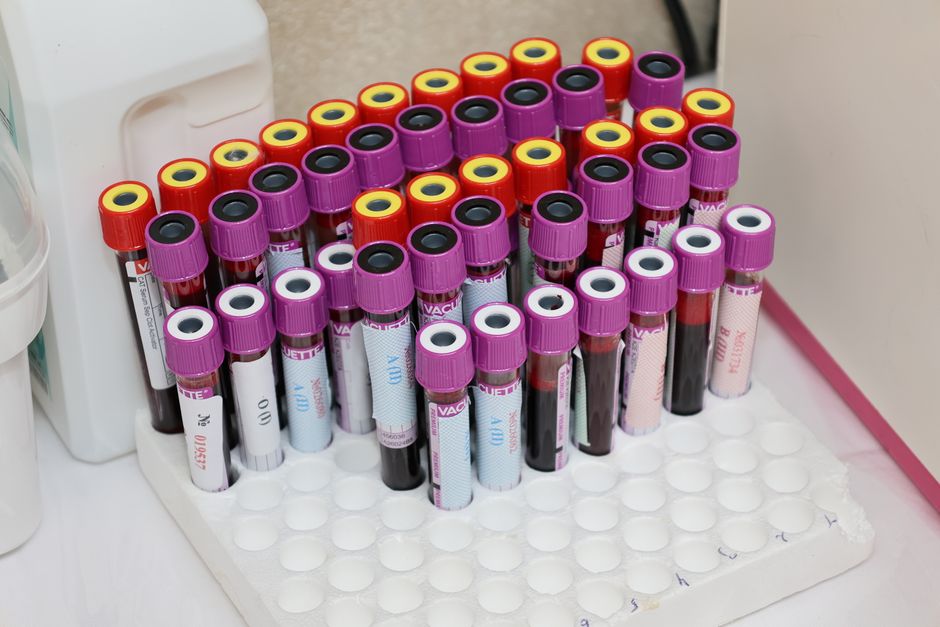
Plasma donation involves drawing a donor's blood and separating the plasma, the liquid protein-rich component, from the cellular elements, which are returned to the donor. In Canada, all collected plasma must be screened for infectious agents including HIV and Hepatitis. These safety protocols apply regardless of whether the donation is paid or voluntary (Health Canada).
The deaths have reignited a long-standing Canadian debate over paid plasma collection. Health coalitions have called for a provincial ban on compensated plasma donations following the Winnipeg fatalities. The push draws on historical anxiety within Canada's blood system, though the specific advocacy reported here is a direct response to the Grifols deaths rather than a pre-existing campaign newly surfaced (Winnipeg CityNews).
Grifols' Canadian footprint extends beyond Winnipeg. The company operates a plasma collection centre on Quebec Avenue in Saskatoon, according to Health Canada's blood inspections database (Health Canada Drug Inspections). The regulatory conditions imposed in the wake of the Winnipeg review will apply to Grifols' operations broadly, though the scope of application across its Canadian sites has not been specified in available reporting.
The regulatory outcome places Health Canada in a delicate position. The regulator's own investigation found no causal link, which aligns with Grifols' position. Yet the decision to impose stricter conditions signals that the existing regulatory framework was, in the regulator's judgment, insufficient. This creates a dual message: the procedure itself was not implicated, but the operator's practices warranted additional oversight.
For the paid plasma industry in Canada, the episode underscores the sector's political vulnerability even when the science cuts in its favor. Advocacy groups seeking a ban on compensated donation have historically argued on grounds of safety and ethics, including concerns about donor selection and the adequacy of voluntary supply. Two donor deaths at a single company's facilities, even absent a demonstrated causal connection to the procedure, provide ammunition to those arguments regardless of the regulatory finding.
The case of Rodiyat Alabede introduces an additional dimension. An international student who was a paid plasma donor, Alabede's death draws attention to the demographic composition of the paid plasma donor base, which in many jurisdictions skews toward lower-income individuals, students, and recent immigrants. While the verified facts do not establish any link between her status and the cause of death, the optics of a young international student dying after a paid donation at a private clinic operated by a foreign multinational are likely to shape public and political reception of Health Canada's findings.
What remains unclear from the public record is the actual cause of death in either case. Health Canada's finding of no connection to plasma donation narrows but does not resolve the question. Without that information, the regulatory outcome functions as a negative finding, an exclusion of one explanation rather than the identification of another. For Grifols, that may be sufficient to continue operations under the new conditions. For critics calling for a ban, the absence of a definitive alternative explanation is unlikely to be persuasive.