Final Fantasy Resonance: Square Enix Brings HD-2D to Its Flagship Franchise for the First Time

Final Fantasy Resonance: Square Enix Brings HD-2D to Its Flagship Franchise for the First Time
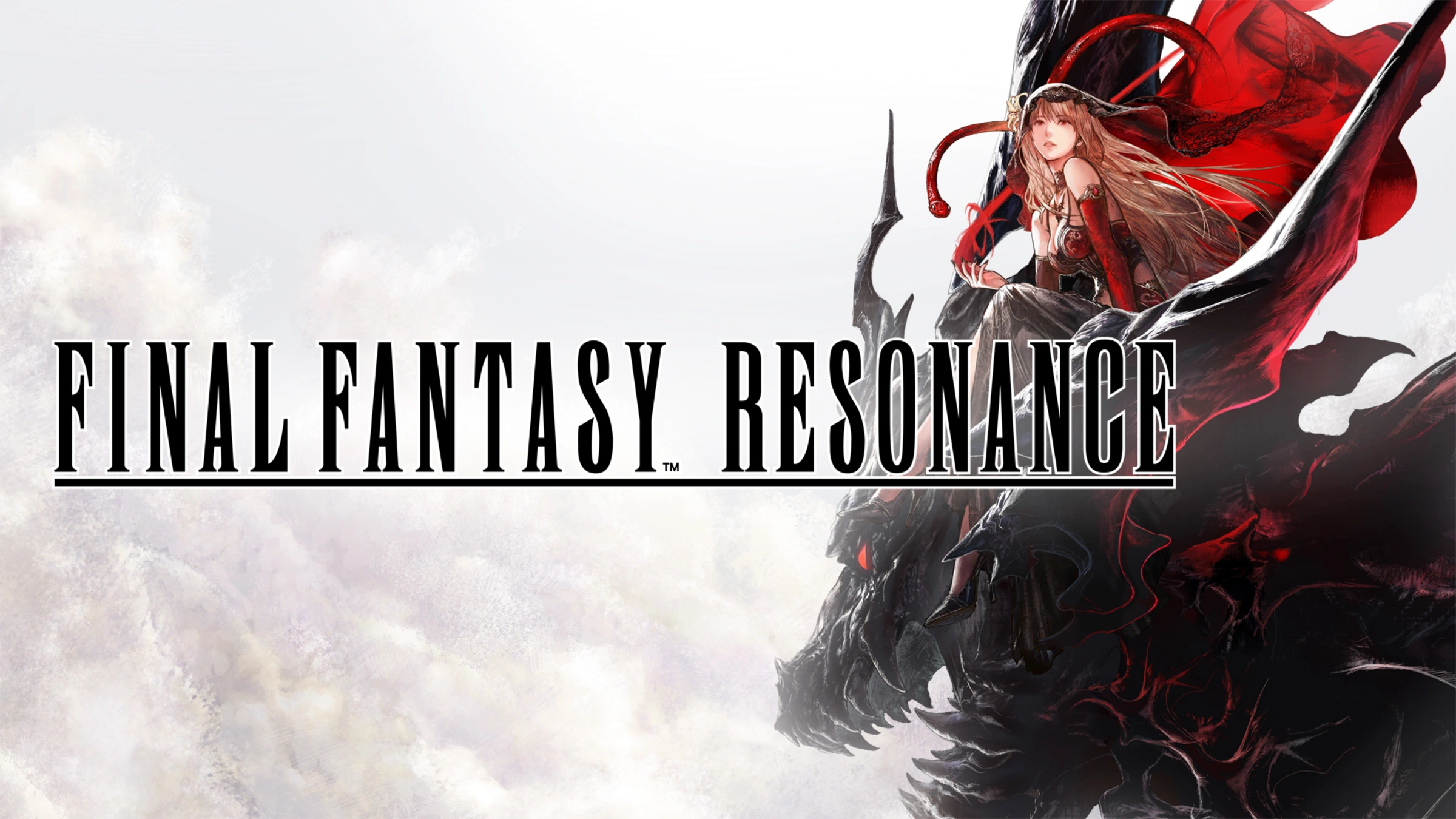
Square Enix has announced Final Fantasy Resonance, the first title in the mainline Final Fantasy series to use the HD-2D visual style, with a release date of October 22, 2026, on Nintendo Switch and PC. The game was unveiled during a Nintendo Direct presentation and is currently available for pre-order. Square Enix Press
What Is Final Fantasy Resonance?
At its core, Final Fantasy Resonance is an HD-2D RPG rooted in the Final Fantasy: Brave Exvius universe — the long-running mobile title that Square Enix has operated since 2016, which accumulated a substantial player base through its gacha mechanics and its deep roster of characters drawn from across Final Fantasy history. Resonance takes that same franchise conceit — the ability to summon iconic characters from throughout the series' 35-plus-year canon — and transplants it into the HD-2D format as a standalone premium release.
HD-2D, for those tracking Square Enix's internal tech pipeline, is the studio's proprietary rendering approach first deployed in Octopath Traveler (2018). It marries high-resolution 3D environments and lighting — dynamic depth-of-field, particle effects, real-time shadows — with pixel-art sprite work for characters, producing an aesthetic that is simultaneously retro and technically modern. The engine has since powered Triangle Strategy, Live A Live, the Octopath Traveler sequel, and the Dragon Quest III HD-2D Remake. Notably, until now, it had not been applied to the Final Fantasy IP itself, despite Final Fantasy's origins as a sprite-based franchise.
The Brave Exvius Connection
Final Fantasy: Brave Exvius launched on mobile in Japan in 2015 and globally in 2016, developed by Alim in partnership with Square Enix. At its commercial peak it ranked among the most-grossing mobile RPGs in its category. The game's structural hook — assembling parties from a cross-series roster of Final Fantasy characters rendered as sprites — made it a natural candidate for HD-2D adaptation, given that the format's sprite-based character presentation translates the mobile game's visual language into a higher-fidelity context.
Resonance carries forward that franchise premise. Players can call upon famous characters from Final Fantasy history, a mechanic that has been a defining feature of the Brave Exvius line and that functions here as the game's central identity within the broader Final Fantasy ecosystem. The practical design implications are significant: the HD-2D toolkit needs to accommodate a wide variety of character sprites and animations from different eras of the series, each carrying its own visual idiom.
Platform and Release Window
The October 22, 2026 release targets Nintendo Switch and PC simultaneously. The Nintendo Direct reveal is consistent with Square Enix's recent approach of using Nintendo's platform events to announce or spotlight titles with strong Switch positioning — a strategy that has served the HD-2D lineup well, given that Octopath Traveler launched as a Switch exclusive before expanding to other platforms.
No PlayStation or Xbox versions have been announced at this time. Whether the PC release encompasses Steam, the Epic Games Store, or Square Enix's own storefront has not been specified in available materials.
The pre-order window is now open, though specific pre-order bonuses or edition tiers have not been detailed in source materials available at the time of writing.
Why This Matters for the HD-2D Catalogue
The HD-2D format has, in roughly eight years, evolved from an experiment into a deliberate Square Enix sub-brand. The decision to extend it to Final Fantasy — the company's highest-profile IP and the series that effectively defines its global market position — is a meaningful escalation of that commitment.
There is a pattern worth recalling here. When Square Enix first unveiled Octopath Traveler in 2017, the industry's prevailing read was that HD-2D was a niche nostalgia play, a one-off for a modest new IP. I covered that Nintendo Direct from a press desk in San Francisco, and the conversation in the room was politely skeptical. What followed instead was a commercial outcome that surprised the market: Octopath Traveler sold over 3.5 million copies and generated enough confidence for Square Enix to build an entire internal production pipeline around the format. The attachment of Final Fantasy branding to that pipeline is the clearest signal yet that Square Enix views HD-2D not as a side-label but as a core delivery mechanism for premium RPG content.
Technical and Design Considerations
From a production standpoint, adapting the Brave Exvius universe into HD-2D involves some non-trivial engineering choices. Brave Exvius has operated as a live-service title with hundreds of character units, each represented by sprite-based battle animations optimized for mobile rendering constraints. Elevating that asset library to HD-2D fidelity — or selectively recreating key characters in higher-resolution pixel art with the layered lighting passes that define the HD-2D look — is a substantial art pipeline undertaking.
The Switch version will run on Nintendo's current-generation hardware. Nintendo Switch's architecture has been a reliable proving ground for HD-2D titles; the format's art direction scales well to the console's GPU constraints, avoiding the resolution and frame-rate friction that heavier 3D titles sometimes encounter on the platform. The simultaneous PC launch suggests Square Enix is not treating Switch as a timed exclusive this cycle, which may reflect commercial lessons from managing staggered launches on prior HD-2D titles.
Positioning Within the Final Fantasy Ecosystem
Final Fantasy Resonance occupies an interesting structural position in the current Square Enix release slate. The company has spent the past several years managing the high-cost, high-risk end of the Final Fantasy catalogue — Final Fantasy XVI (2023), Final Fantasy VII Rebirth (2024) — while simultaneously trying to sustain engagement with its mobile back-catalogue. Resonance sits between those poles: a premium, finite-experience title drawing on a mobile IP, built on a cost-effective but visually credible rendering pipeline.
That positioning is not accidental. The HD-2D format offers a path to premium-priced, critically respectable releases without the full production overhead of a photorealistic AAA title. For a franchise as catalogue-rich as Final Fantasy, where decades of beloved characters and lore exist as potential creative material, it is a logical framework.
The broader question — whether a game rooted in the Brave Exvius continuity can carry the weight of the Final Fantasy brand with audiences who never engaged with the mobile title — will be answered by sales data after October 22, 2026.