Rhythm Heaven Groove Arrives on Nintendo Switch with 80-Plus Minigames and Cross-Gen Playability
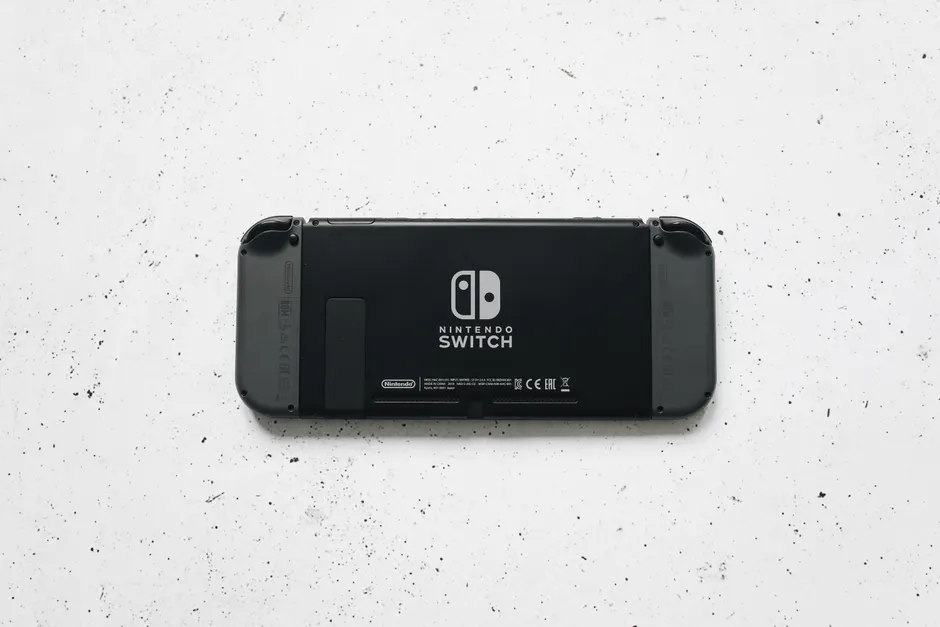
Nintendo launched Rhythm Heaven Groove on Nintendo Switch on July 2, 2024, bringing the long-dormant rhythm franchise back to a home console for the first time in nearly a decade. The title is also playable on Nintendo Switch 2, giving it cross-gen reach across both hardware generations from day one.
The game ships with over 80 rhythm minigames and supports multiplayer for up to four players — a combination that positions it squarely as a party title as much as a solo rhythm challenge. Each minigame in the Rhythm Heaven lineage follows the series' established formula: a brief, absurdist premise, a single repeated input mechanic, and a grading system that rewards near-perfect timing over button complexity. The franchise has always been a design outlier in that sense, favouring precision over the peripheral-laden spectacle of Guitar Hero or Rock Band.
The title was first announced during a Nintendo Direct in March 2025, a presentation that also covered Nintendo Switch 2 software alongside ongoing Switch titles. That Nintendo chose to surface a Rhythm Heaven entry in that particular Direct — one anchored heavily in Switch 2 platform messaging — signals the company's intent to treat the franchise as relevant to both the installed base of the original Switch and the early adopter cohort buying into the new hardware.
A free demo is available for both Switch and Switch 2, which lowers the barrier to entry meaningfully. Free demos have become less universal in the Nintendo eShop era than they were on the 3DS, so the decision to ship one here is notable on its own terms. For a franchise whose appeal is genuinely difficult to convey through a trailer — the fun is tactile, locked to the beat — a playable sample is arguably the most effective marketing tool available.
The Rhythm Heaven series last saw a mainline console release with Rhythm Heaven Megamix on Nintendo 3DS in 2015 (2016 in Western markets), making Groove the first entry on a home console since Rhythm Heaven Fever on Wii in 2011. That gap spans the entire Wii U generation and the first seven years of the Switch's lifespan — a long stretch for any franchise, longer still for one with the cult following this one carries among both casual players and the speedrunning and score-attack communities that have kept it alive on older hardware.
The four-player multiplayer mode is worth examining structurally. Rhythm Heaven minigames are, by design, very short — typically under two minutes. Stacking them into a multiplayer format creates a natural party-game loop that doesn't demand the sustained attention of a Mario Kart session or the coordination overhead of a co-op platformer. Whether the implementation leans toward competitive scoring, cooperative pass-the-controller play, or simultaneous input will shape how the mode lands with different audiences, and the verified facts available at this stage don't resolve that detail.
The cross-gen compatibility with Switch 2 fits Nintendo's broader pattern of maximising the addressable market during a hardware transition. Nintendo Switch 2 launched in June 2025, and the period immediately following a new console launch is historically one where the installed base is too small to justify exclusivity for a mid-tier title. By targeting both platforms, Rhythm Heaven Groove avoids the audience fragmentation that often penalises franchise revivals timed to a generation changeover.
The franchise's core design philosophy — input simplicity, relentless rhythmic precision, a visual style that reads as effortless but punishes sloppy timing — has aged well precisely because it doesn't depend on hardware novelty. That durability is probably why it survives long dormancy periods without losing its audience. The demo will tell players quickly whether Groove maintains that standard or softens it for broader reach. That, more than the minigame count or the player cap, is the question the community will be watching.


