Trump's Name on the Kennedy Center: A Federal Judge Keeps the Removal Order in Place
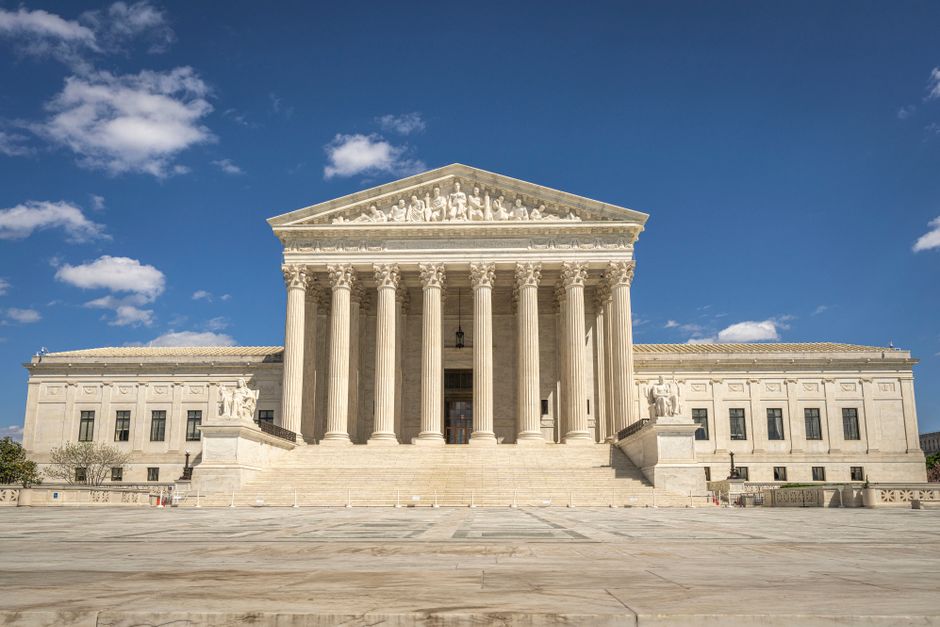
A federal judge has kept in place an order requiring the removal of President Trump's name from the Kennedy Center, rejecting an attempt to pause the ruling while an appeal proceeds — the latest episode in a running series of judicial checks on executive authority that has defined the early legal landscape of the Trump administration's second term.
The June 12, 2026 ruling adds to a dense docket of disputes in which courts have declined to give the administration the procedural breathing room it sought. The pattern is not uniform — the administration has secured some emergency relief — but the accumulating weight of adverse interim rulings is notable.
A Crowded Docket of Emergency Motions
The Kennedy Center dispute is one thread in a much larger fabric. Federal courts have been fielding emergency applications from both the administration and its opponents at a pace that strains the conventional understanding of what "emergency" litigation means.
The Supreme Court has been drawn into the mix repeatedly. It granted the Trump administration's emergency appeal to temporarily block a court order requiring full funding of SNAP food aid — a significant procedural win for the executive in late 2025. But the trajectory has not been consistently favorable. A federal appeals court rejected the administration's bid to halt an order releasing millions in education and mental health grants, a loss that came just weeks later in December 2025.
In the Ninth Circuit, the Trump v. AFGE case (docket 24-1106) saw applicants file an emergency motion for a stay of a temporary restraining order pending appeal — one more instance of the administration seeking to lift injunctions through the appellate emergency track rather than waiting for full merits review.
The IEEPA Question Looming Largest
Of the live Supreme Court matters, the one with the broadest structural consequences may be Learning Resources, Inc. v. Trump (docket 24-1287), which directly implicates presidential claims of delegated power under the International Emergency Economic Powers Act. IEEPA has been the statutory engine behind a range of administration actions — tariffs, sanctions designations, export controls — and a Supreme Court ruling that narrows or clarifies the scope of that delegation would reverberate well beyond any single policy.
The Court's eventual disposition of that case matters more to practitioners in trade law, national security, and regulatory compliance than almost any other pending matter. IEEPA's broad grant of authority to the executive has long been treated as nearly self-enforcing, but litigation pressure from multiple directions is forcing a more explicit judicial accounting of its limits.
Presidential Immunity: Still Live
Sitting in the background of all of this is Trump v. United States (docket 23-939), the case asking whether a president holds absolute immunity from criminal prosecution for official acts. The Court's answer — whatever it turns out to be on remand and in follow-on proceedings — sets the constitutional frame within which all other executive-power disputes operate. A robust immunity doctrine expands the space in which presidents act without legal consequence; a narrow one does the opposite.
That case does not directly resolve disputes like the Kennedy Center naming order, which turns on statutory authority and administrative procedure rather than immunity. But it shapes the broader political and legal climate in which these fights unfold.
What the Pattern Suggests
The accumulation of emergency motions, stays granted and denied, and appellate skirmishes reflects something structural: the administration has pursued an aggressive use of executive authority across a wide range of domains simultaneously, and opponents have responded with parallel-track litigation designed to freeze specific actions in place while merits arguments develop. Courts, for their part, have been inconsistent enough in granting or denying interim relief that neither side can claim a decisive procedural advantage.
For practitioners tracking regulatory exposure, the IEEPA case is the one to watch most closely. For those in the federal workforce and labor law space, Trump v. AFGE is the immediate pressure point. The Kennedy Center ruling, while symbolically charged, sits at the more modest end of the legal stakes involved — a dispute about a naming decision, not a structural question about the separation of powers.
The judge's decision to keep the removal order in place means the litigation continues on its normal track. An appeal is the next step. Given the pace at which this administration and its opponents have moved through the courts, a merits ruling is unlikely to wait long.


