Federal Judge Orders Trump's Name Removed from Kennedy Center — Workers Comply

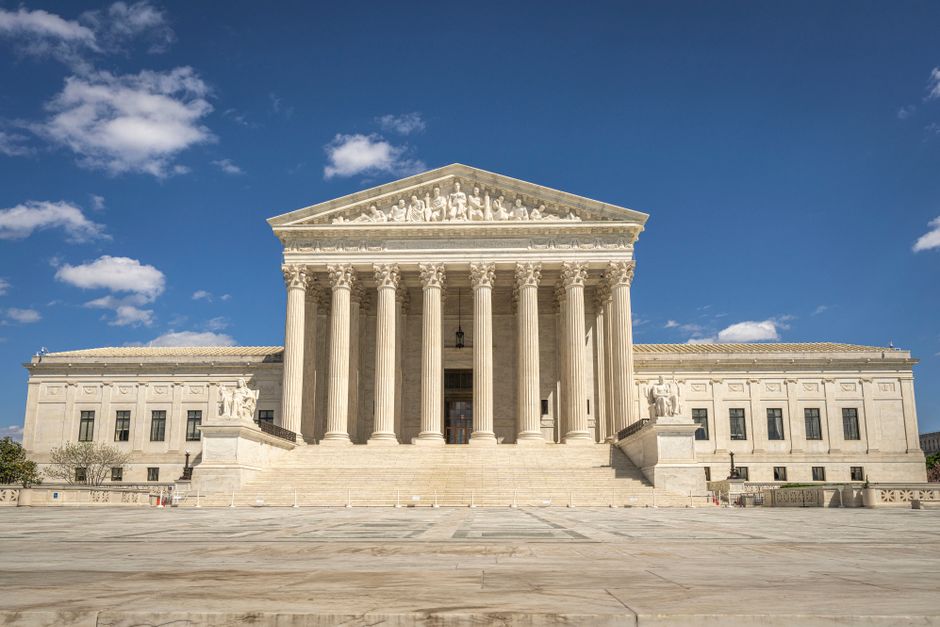
Workers removed Donald Trump's name from the marble facade of the John F. Kennedy Center for the Performing Arts on June 12, 2026, hours after U.S. District Court Judge Christopher Cooper ruled the addition of the president's name to the building was illegal, according to CBS News.
Judge Cooper's order was unambiguous: the renaming was unlawful, and Trump's name had to come down. The Kennedy Center, chartered by Congress in 1964 as a living memorial to President Kennedy, operates under federal statute — meaning any change to its official designation requires an act of Congress, not an executive decision. That statutory constraint appears to be the crux of Cooper's determination.
The legal challenge cut straight to a separation-of-powers question: whether the executive branch can unilaterally alter the name of a congressionally established memorial institution. Cooper's answer was no. The ruling puts the administration on the losing end of a relatively clean legal argument — the kind where the text of the enabling statute does most of the work for the court.
The physical removal was swift. By the time workers had stripped the lettering from the facade, the ruling had already circulated widely, and the Kennedy Center's exterior returned to its pre-Trump configuration. AP News reported that a federal judge had ordered the removal, consistent with Cooper's ruling.
The broader context here matters for how Washington institutions absorb executive pressure. The Kennedy Center is not a cabinet agency or a discretionary grant program — it is a congressionally chartered memorial, a category that carries specific legal armor against unilateral executive modification. The administration's move to affix Trump's name was, from the outset, on weaker legal footing than, say, personnel decisions or regulatory rollbacks, where presidential discretion is far wider.
Whether the administration appeals is the open question. Cooper sits on the U.S. District Court for the District of Columbia, meaning any appeal would go to the D.C. Circuit — a court with a deep institutional familiarity with precisely these kinds of statutory-authority disputes. The circuit's record on cases involving unilateral executive action against congressionally mandated structures has generally not favored the executive when the statutory text is clear.
For the Kennedy Center itself, the ruling restores the institutional branding that has defined the venue for six decades. What it does not resolve is the broader governance question: the administration had also moved to reshape the Center's board and programming, changes that are not addressed by Cooper's order and that may face separate legal scrutiny on different grounds.